
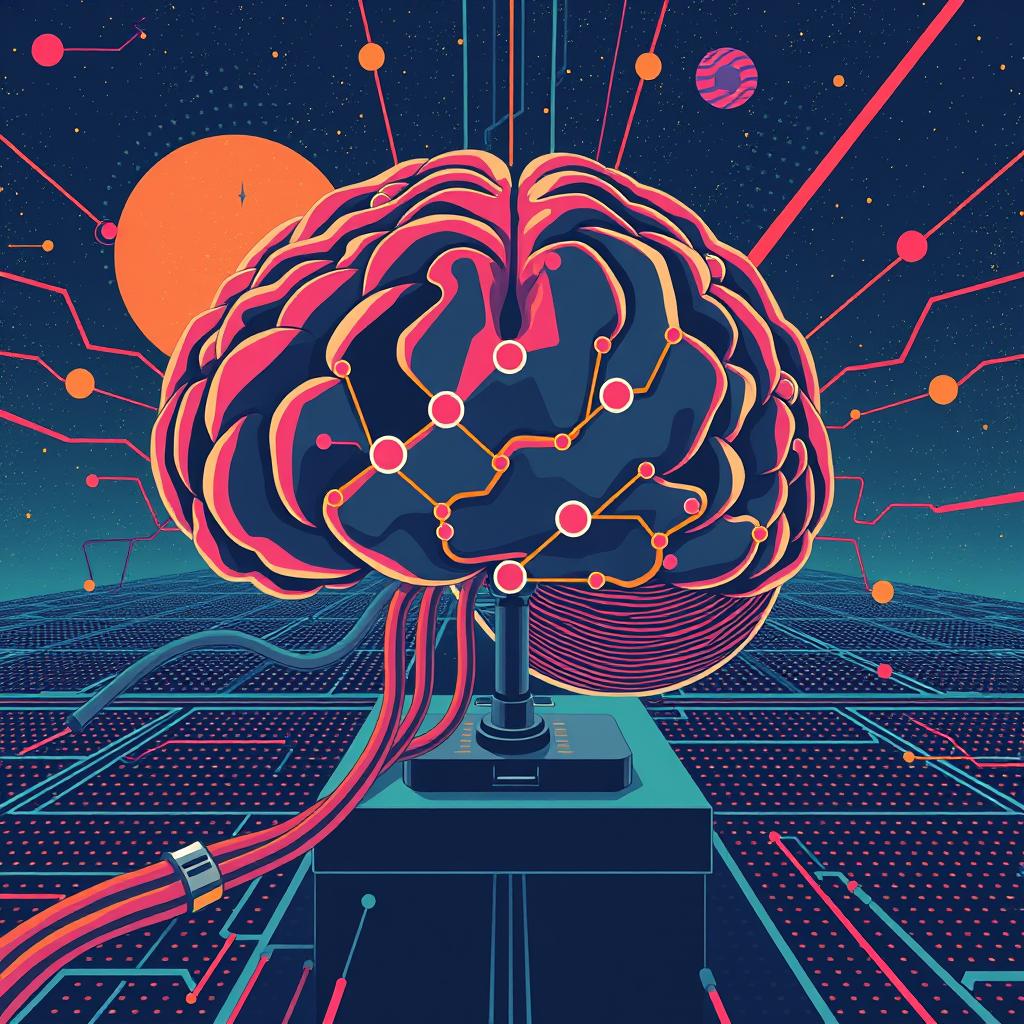
Living Neuron Computers Edge Toward Real Data Centers
Scientists are turning dishes of human neurons into data-center gear, as startups like Cortical Labs wire living brain cells into commercial “wetware” computers — raising profound energy, ethics and governance questions.
Scientists are no longer just strapping electrodes to brains — they’re wiring living neurons directly into computers and pitching racks of “wetware” as future data‑center gear. Australian startup Cortical Labs has released the CL1, a shoebox‑sized biological computer built from human brain cells on a silicon chip, which the firm now markets as “code‑deployable” hardware and is preparing to install in two commercial data centers in Australia and Singapore, in partnership with operator DayOne, to tackle AI workloads at a fraction of the energy of GPUs, according to recent coverage in Tom’s Hardware and Live Science.
Inside each CL1, around hundreds of thousands of neurons grown from induced stem cells spread across a micro‑electrode array, forming a closed loop in which software translates game worlds or data streams into electrical stimulation and routes the cells’ firing patterns back as control signals. Using an earlier system dubbed DishBrain, Cortical Labs showed that 800,000 human and mouse neurons could learn to play the arcade game Pong in minutes, a result published in Neuron and described in detail by ScienceDaily. More recently, CL1 units have been used to play Doom, with researchers piping the video feed into stimulation patterns and mapping specific firing signatures to in‑game actions, as reported by TechSpot and Tom’s Hardware.
The pitch is stark: biological compute that learns from sparse data and runs under a kilowatt per rack, potentially transforming AI’s energy curve, according to CL1 design materials cited by Good Design Australia and independent analysis at Critical Playground. But as neuron‑powered infrastructure moves from lab curiosity to commercial roadmap, ethicists warn that existing rules for organoids, animal research and data protection were never written for “living servers” that might one day show complex, possibly sentient‑adjacent behavior. Governance questions now span consent for cell donors, the legal status of neural activity logs, and how security agencies or cloud providers might try to weaponize or monopolize biological cognition — a regulatory scramble that is only beginning as wetware computing inches into the data center.
Tags