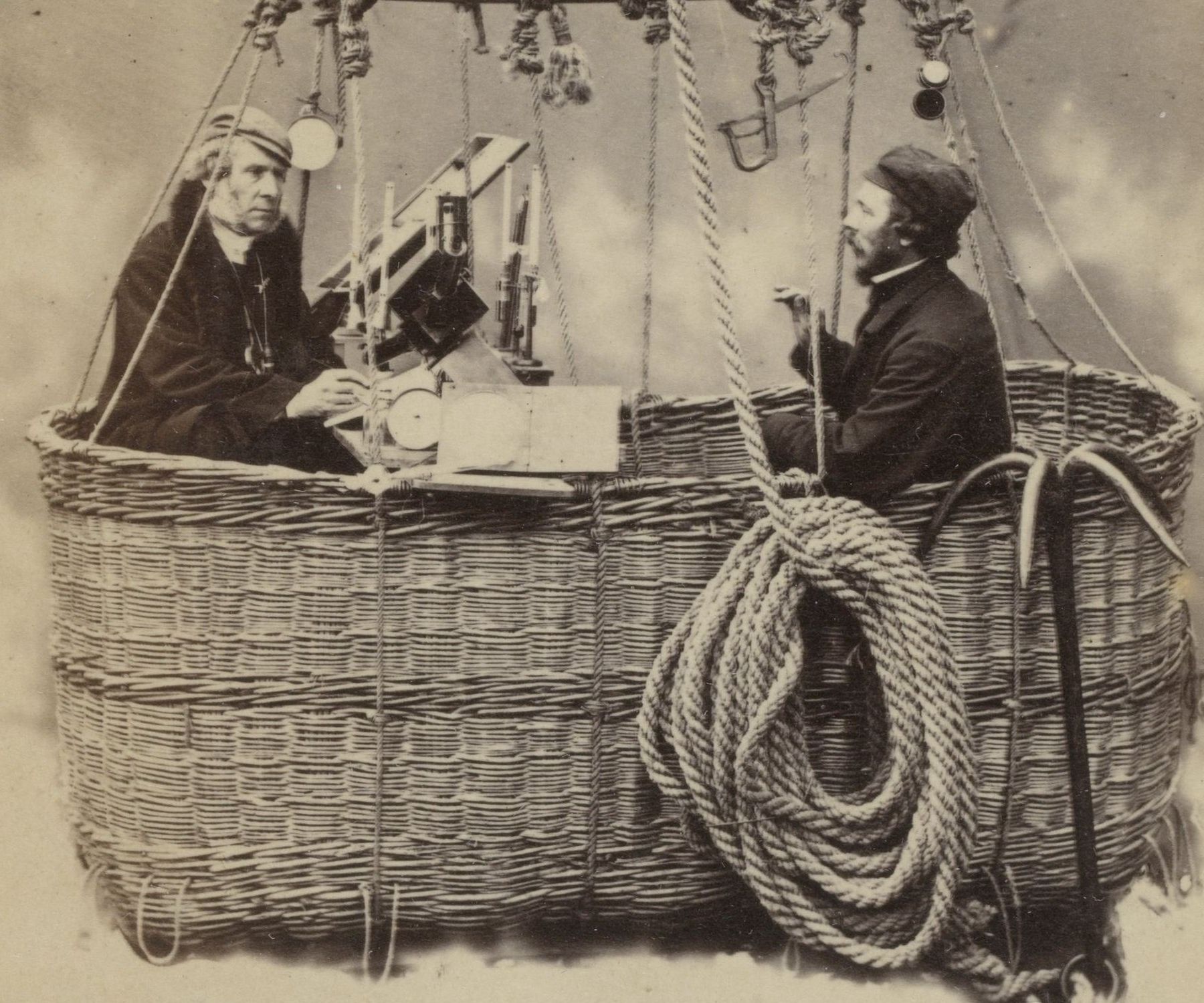
James Glaisher arranged a laboratory across a balloon basket. On 5 September 1862, his instruments and his body began to fail at different speeds. Henry Coxwell had to bring them down—and the famous seven-mile height had to be worked out afterwards.
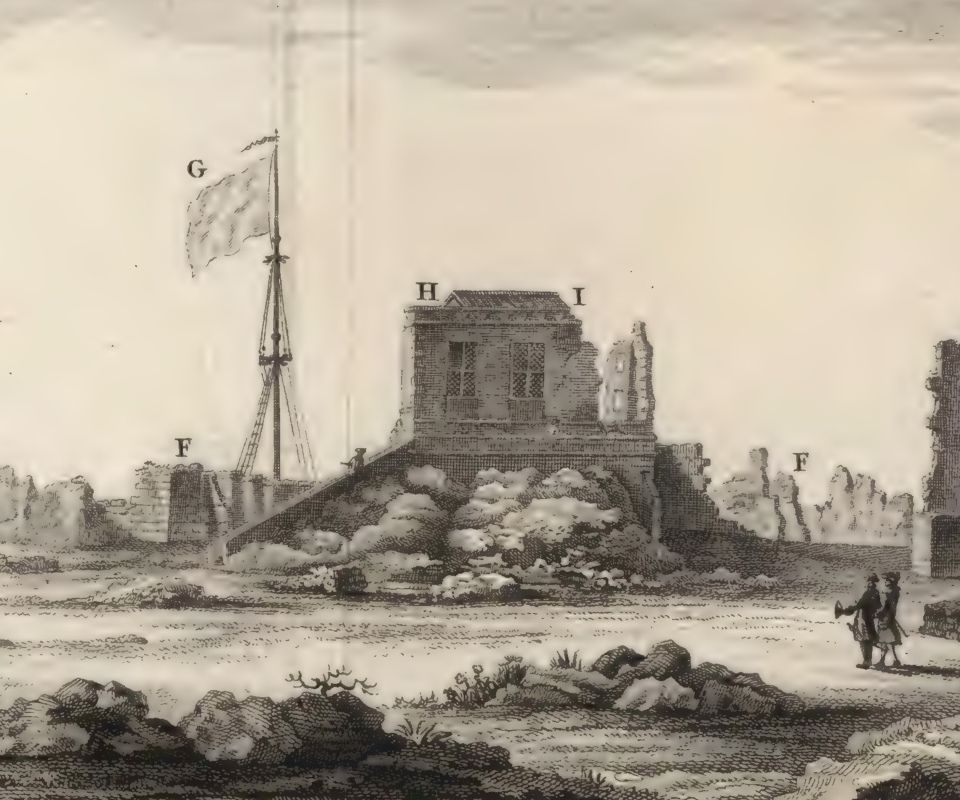
Guillaume Le Gentil knew Manila had good observing weather. He left anyway. His voyage account explains the choice that took him to a ruined palace in Pondicherry for the transit of Venus—and records the observation made by the friend he left behind.
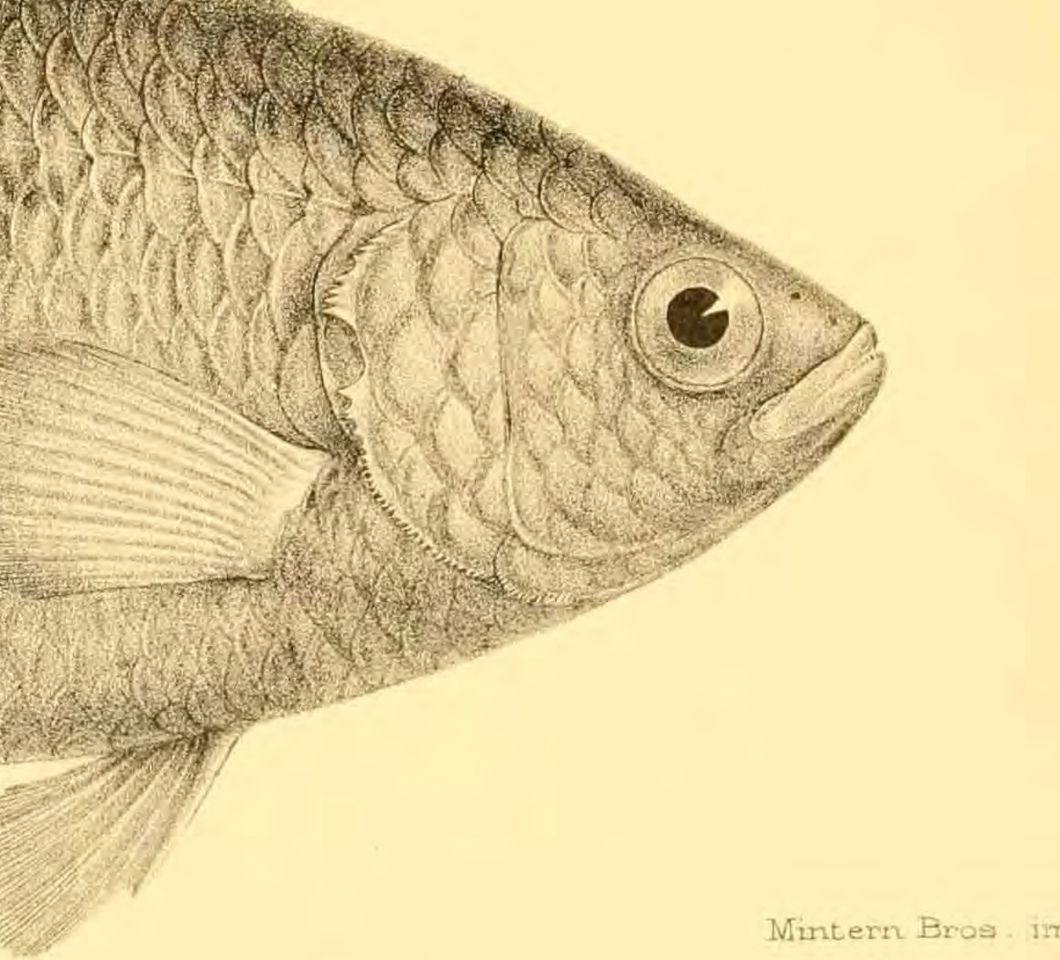
Mary Kingsley’s 1895 fish collection had to survive bargaining, a shortage of alcohol and the Ogooué rapids. Three specimens from Kondo-Kondo eventually reached a London museum, where an adult and two young fish helped Albert Günther distinguish a new species.
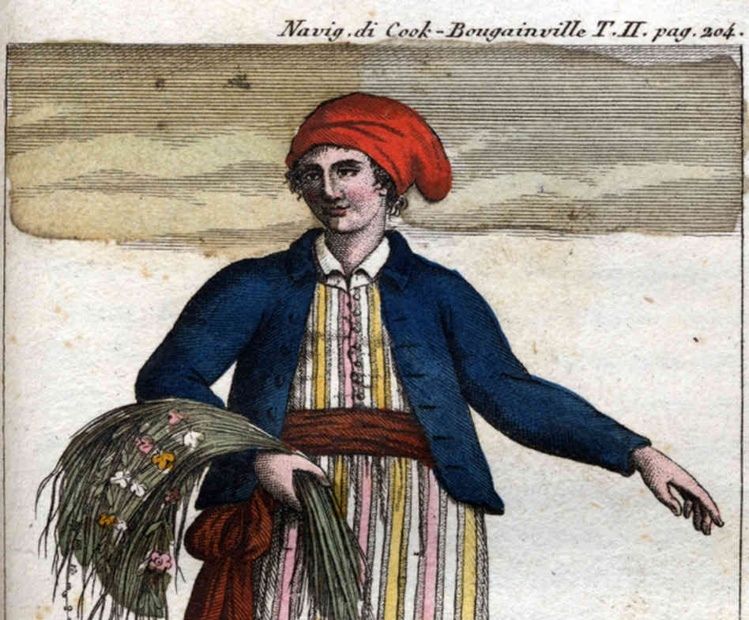
Jeanne Baret carried plant folders through the Strait of Magellan and kept working after Bougainville’s ships moved on. A Mauritian specimen and an abandoned botanical name help trace the labour behind a collection credited to Philibert Commerson.
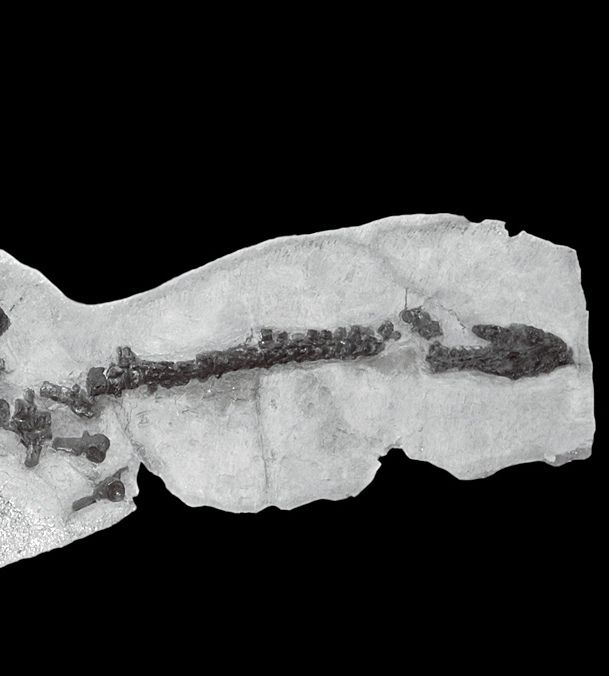
Mary Anning had a strange skeleton to sell and two wealthy customers to consider. Her letter from Lyme Regis reveals the judgement behind a price, before the fossil became a scientific sensation and a museum specimen.
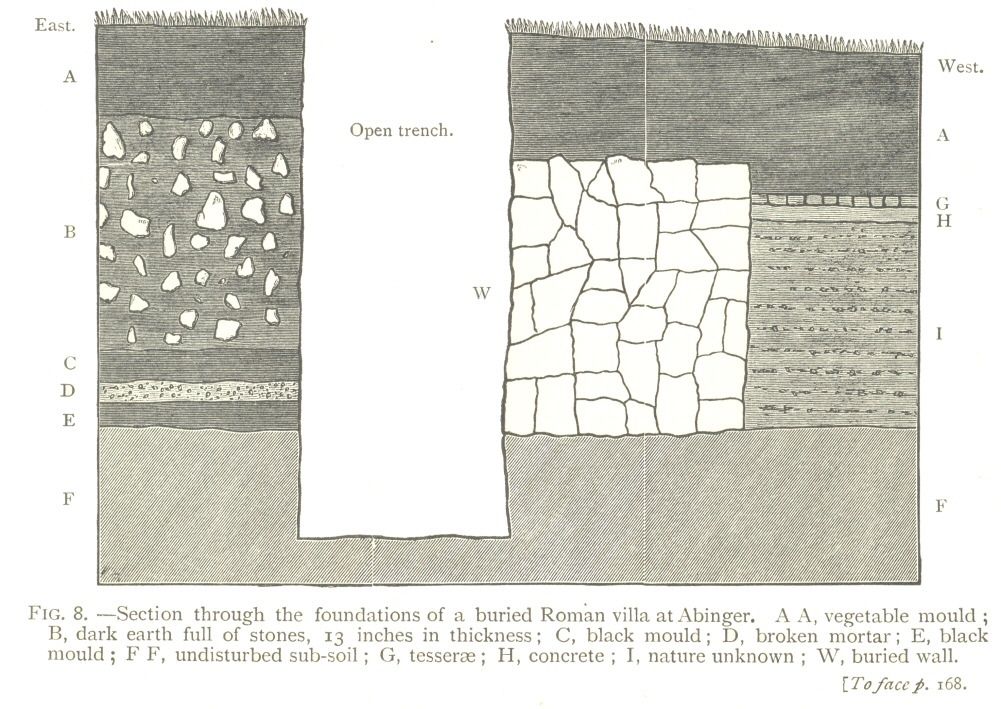
Fresh earth kept appearing on a cleared Roman floor. Charles Darwin used years of experiments and a network of observers to explain how worms could gradually bury traces of human work.
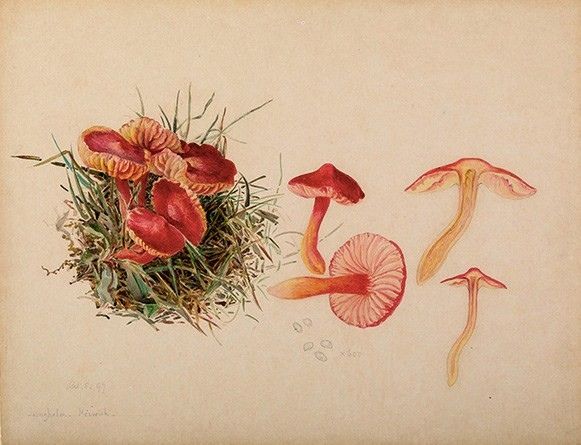
Beatrix Potter exchanged paintings for parcels of fungi. The specimens led her from accurate portraits to a harder undertaking: growing spores, persuading sceptics and producing a slide that would perform when required.
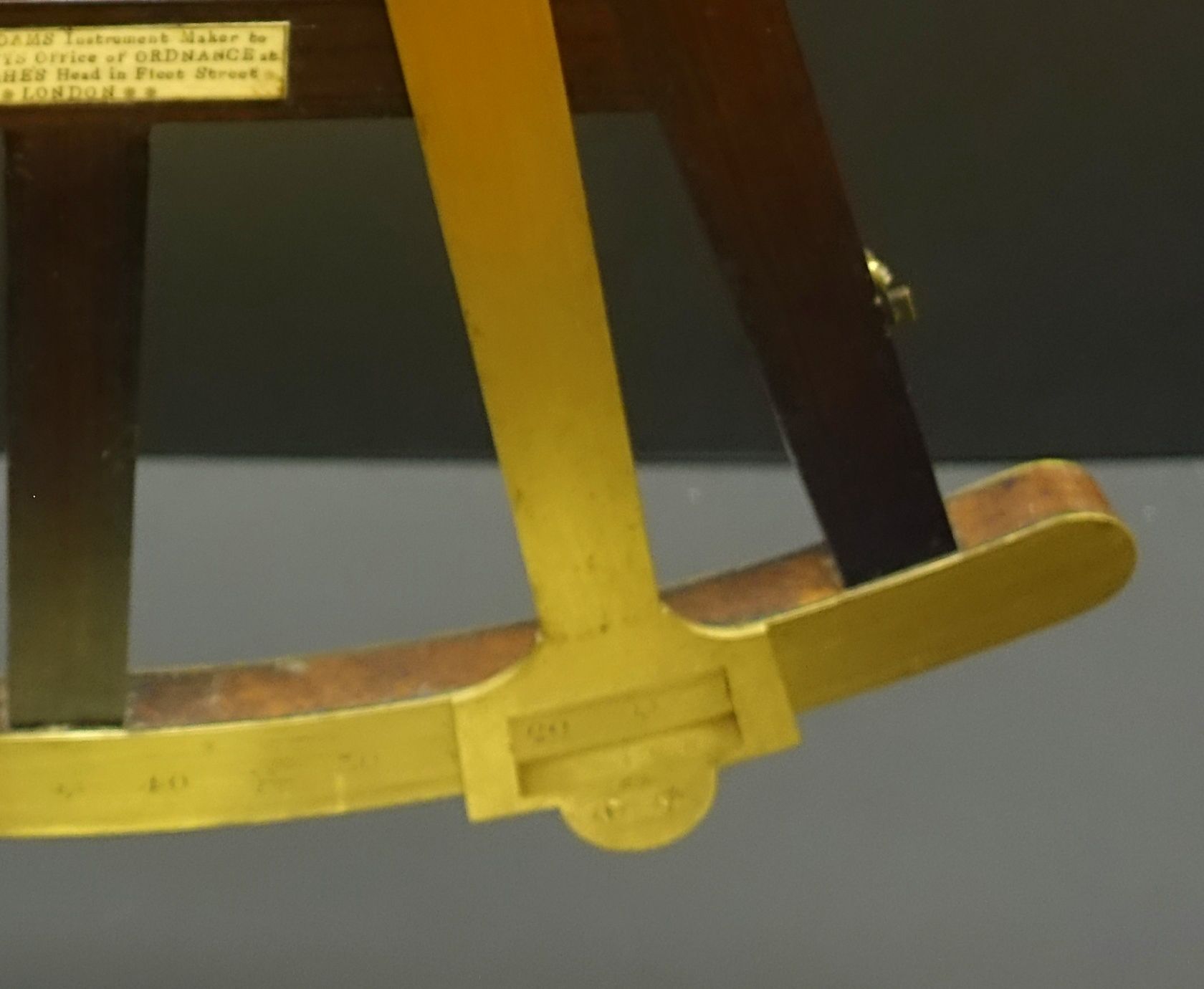
On a homeward voyage in 1762, Nevil Maskelyne measured the Moon against a star. His handheld quadrant supplied the angles; finding the ship’s longitude required a watch, tables and a considerable amount of work afterwards.
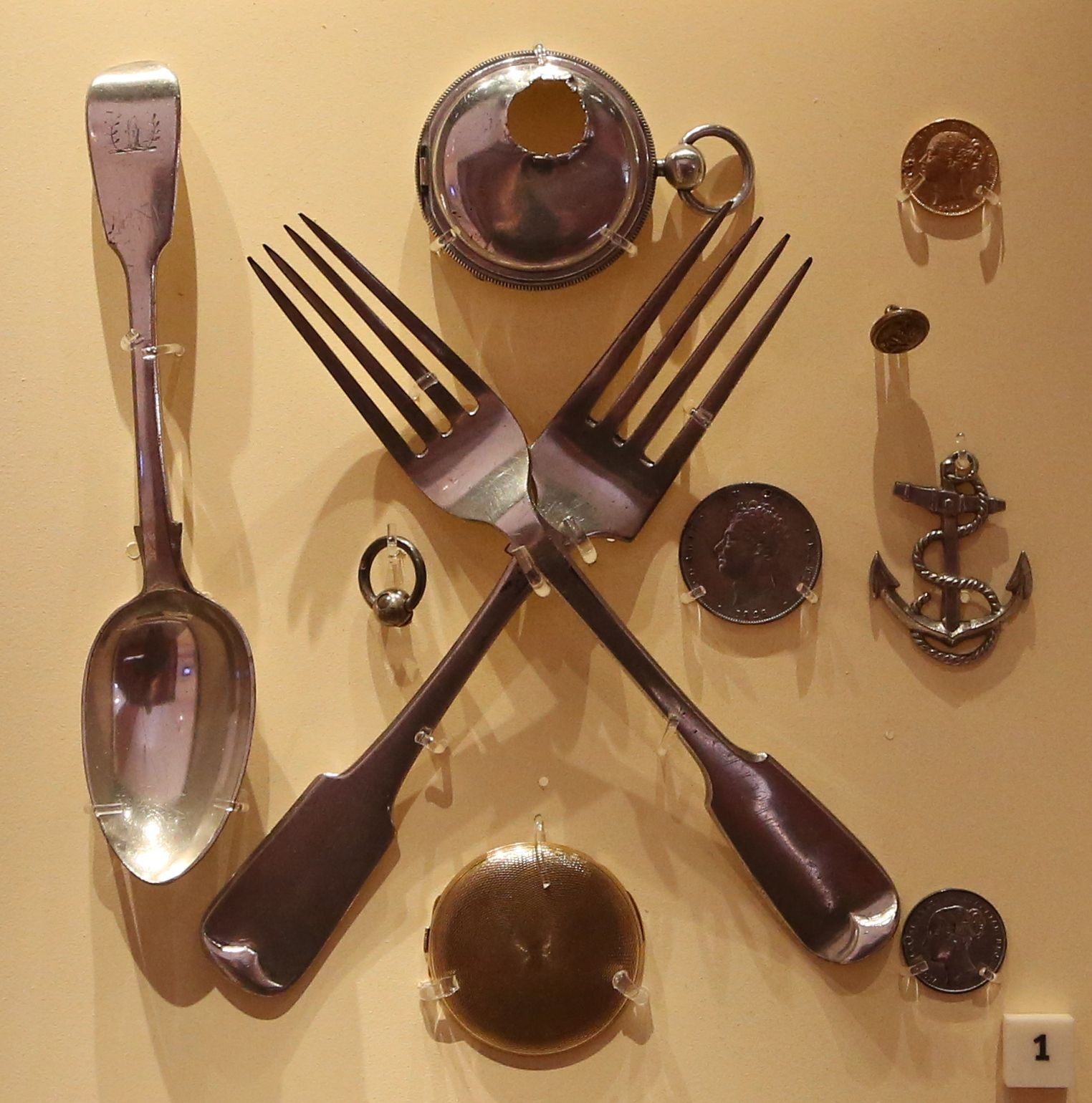
Silverware helped John Rae connect Inuit reports to Franklin's missing expedition. In Britain, a critic thought the same forks and spoons made the story harder to believe.
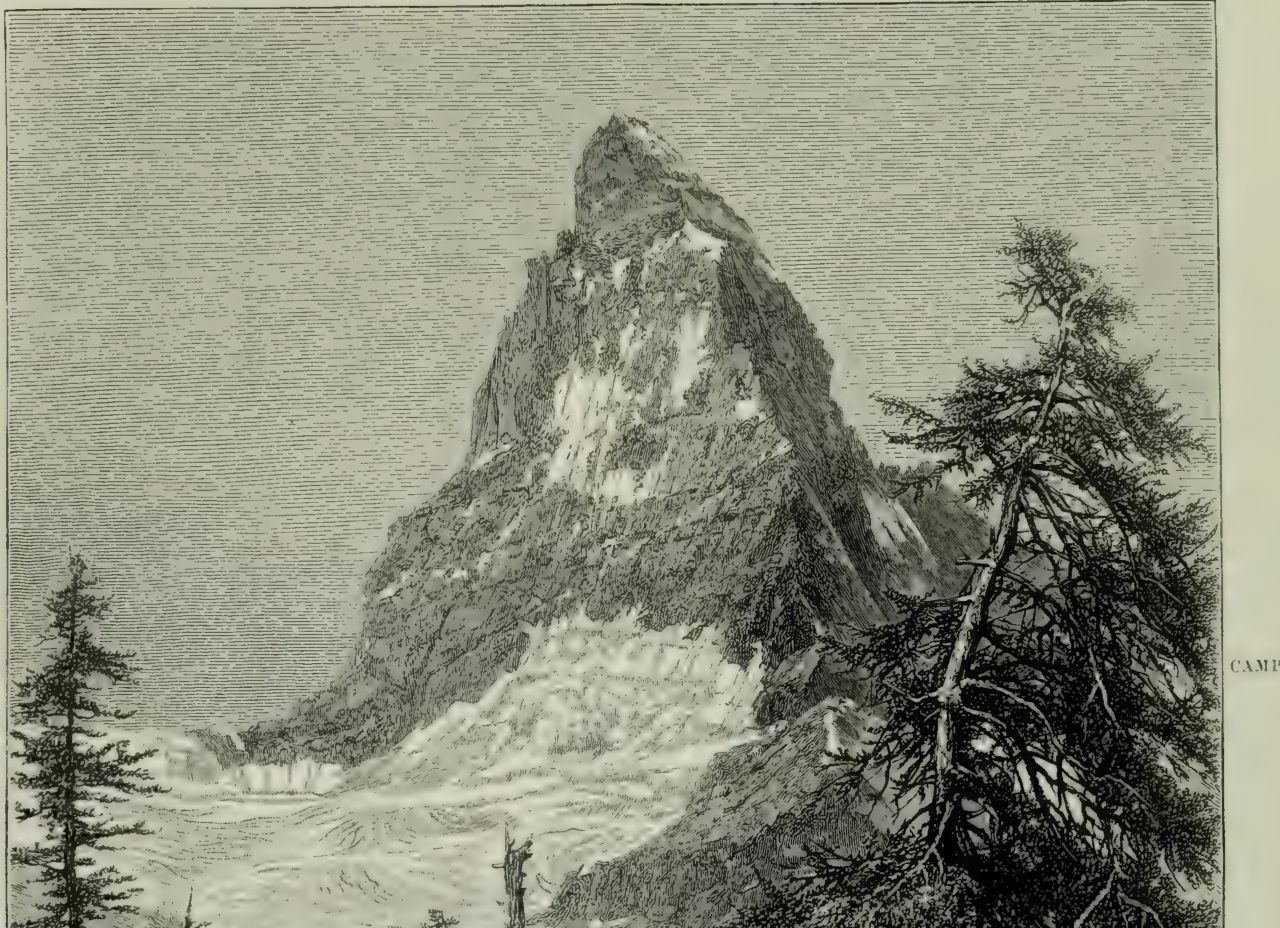
Edward Whymper's drawings helped him question the Matterhorn's apparent steepness. Reaching its summit in 1865 required guides to test the mountain at close quarters; explaining the descent would prove harder.
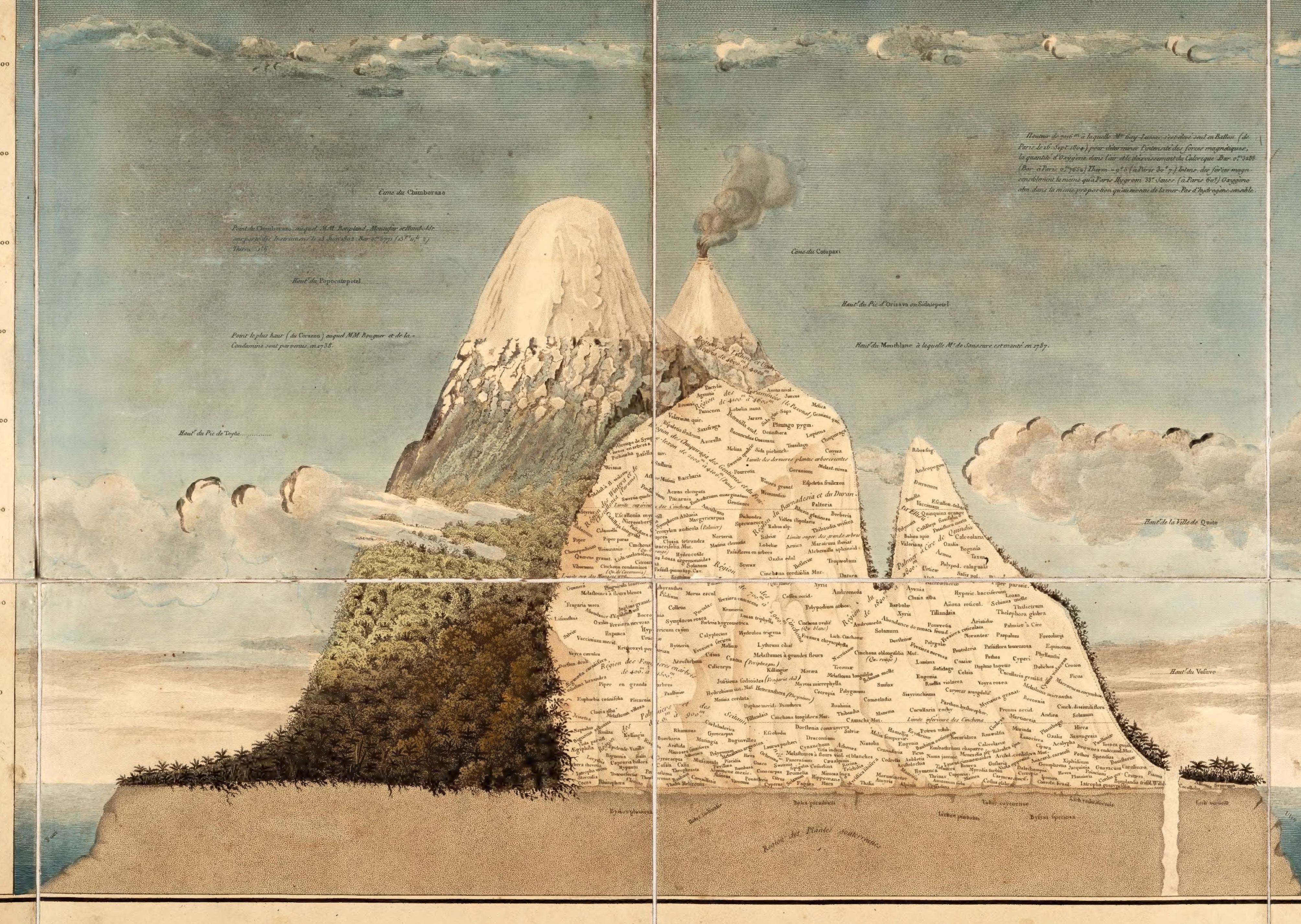
Humboldt and Bonpland's famous plant-geography plate gathers the equatorial Andes into a single mountain view. Making it meant moving a volcano, calculating heights and fitting a journey's unfinished knowledge onto one sheet.
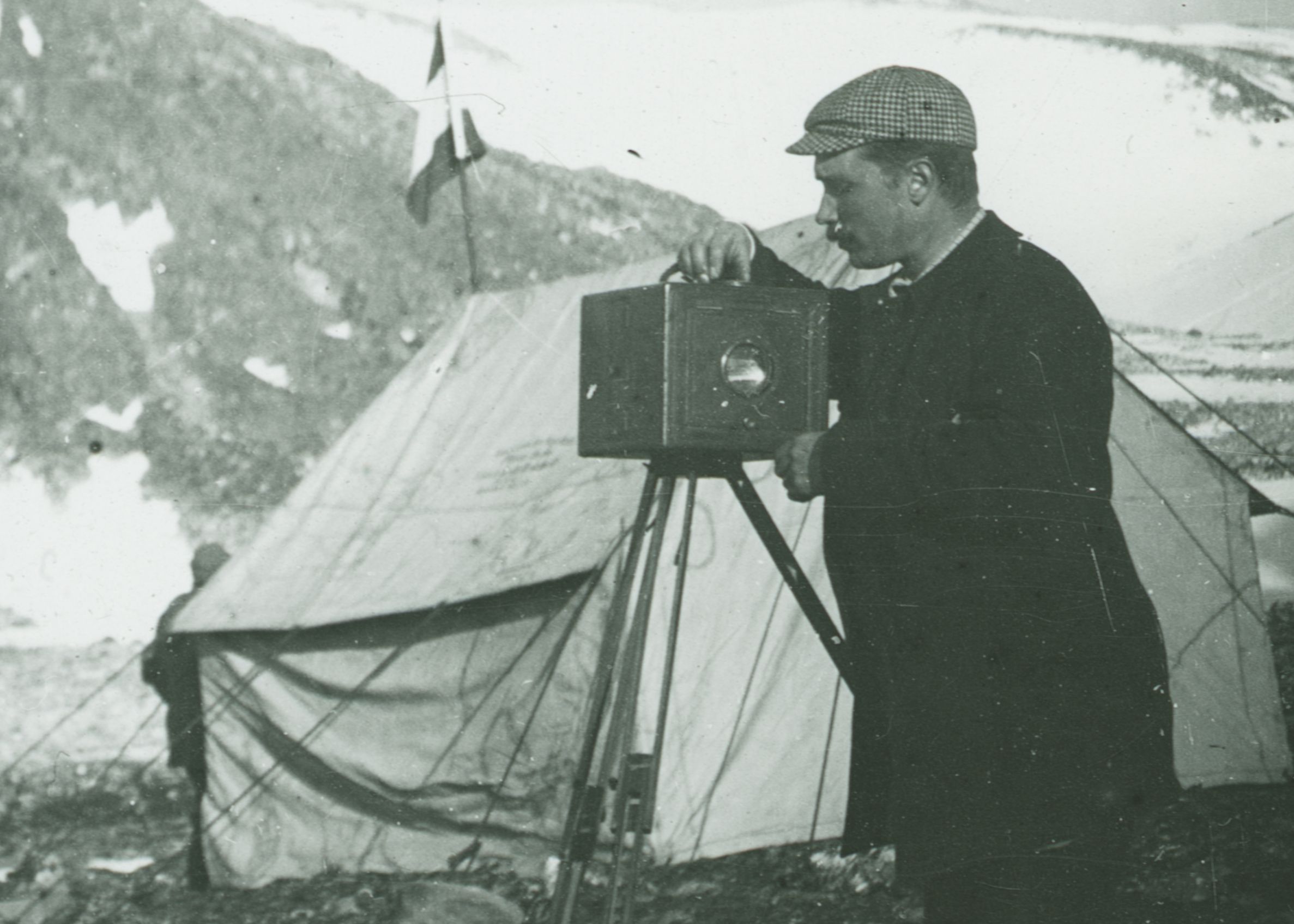
Nils Strindberg took his camera onto the Arctic pack ice in 1897. No one from the expedition returned to develop the film. Thirty-three years later, John Hertzberg had to find a way to turn the damaged rolls into pictures.
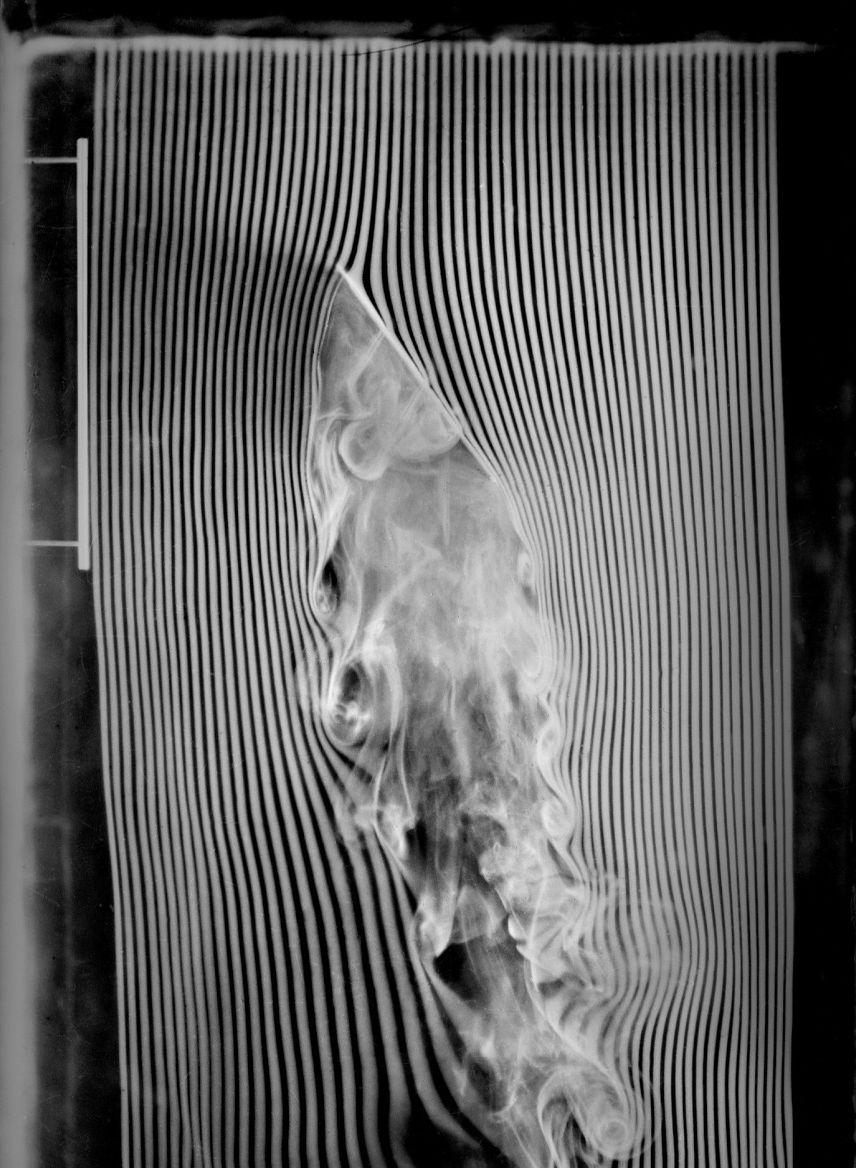
Étienne-Jules Marey filled a glass-fronted box with threads of smoke to study the air around a wing. Making the threads straight was difficult enough. To measure their speed, he had to give the photograph a clock.
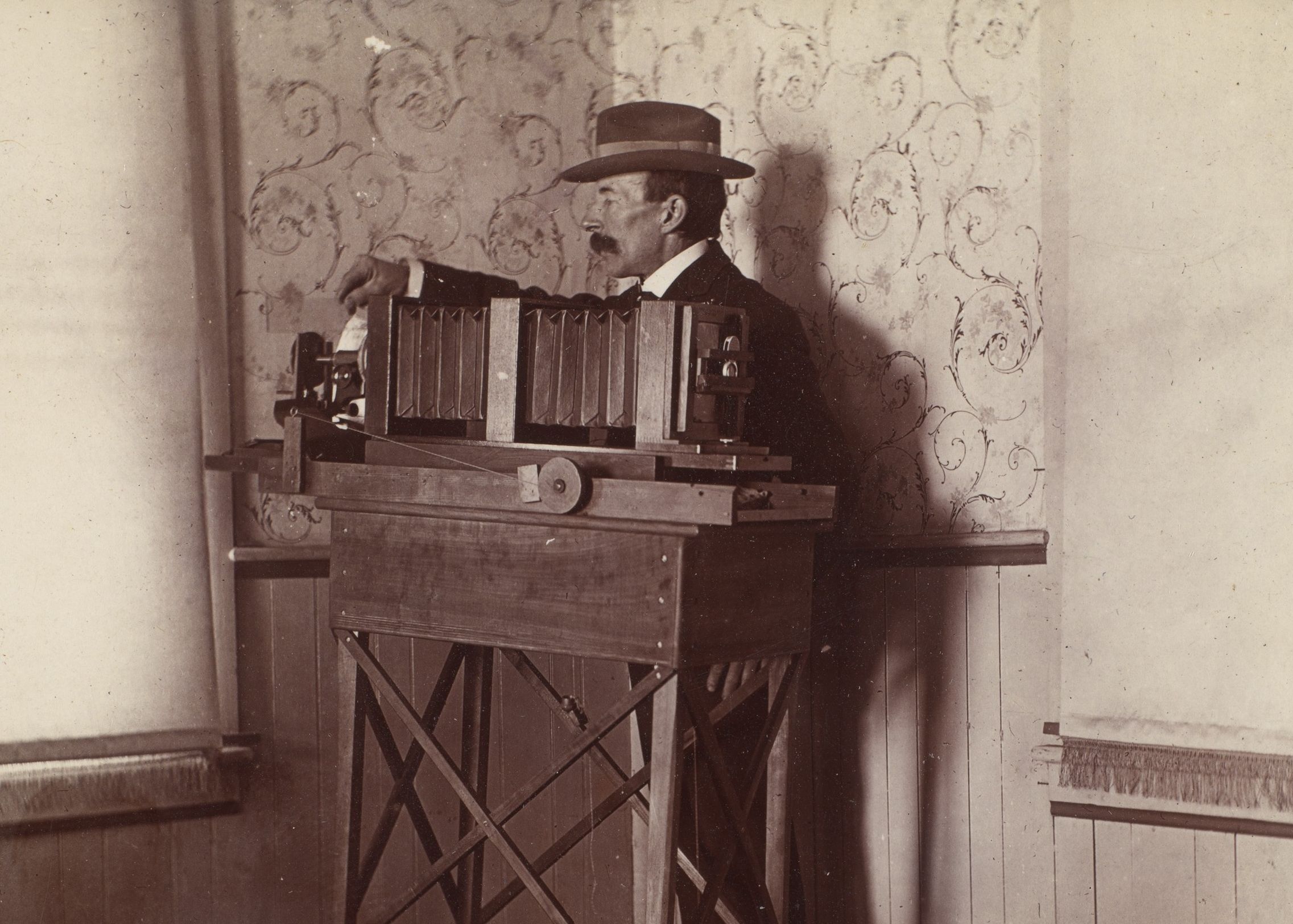
Wilson Bentley photographed snow crystals on his Vermont farm, keeping his room cold and his breath away from the slide. Making the familiar white crystal against black could take longer still: it required a second negative, a microscope and a very sharp blade.
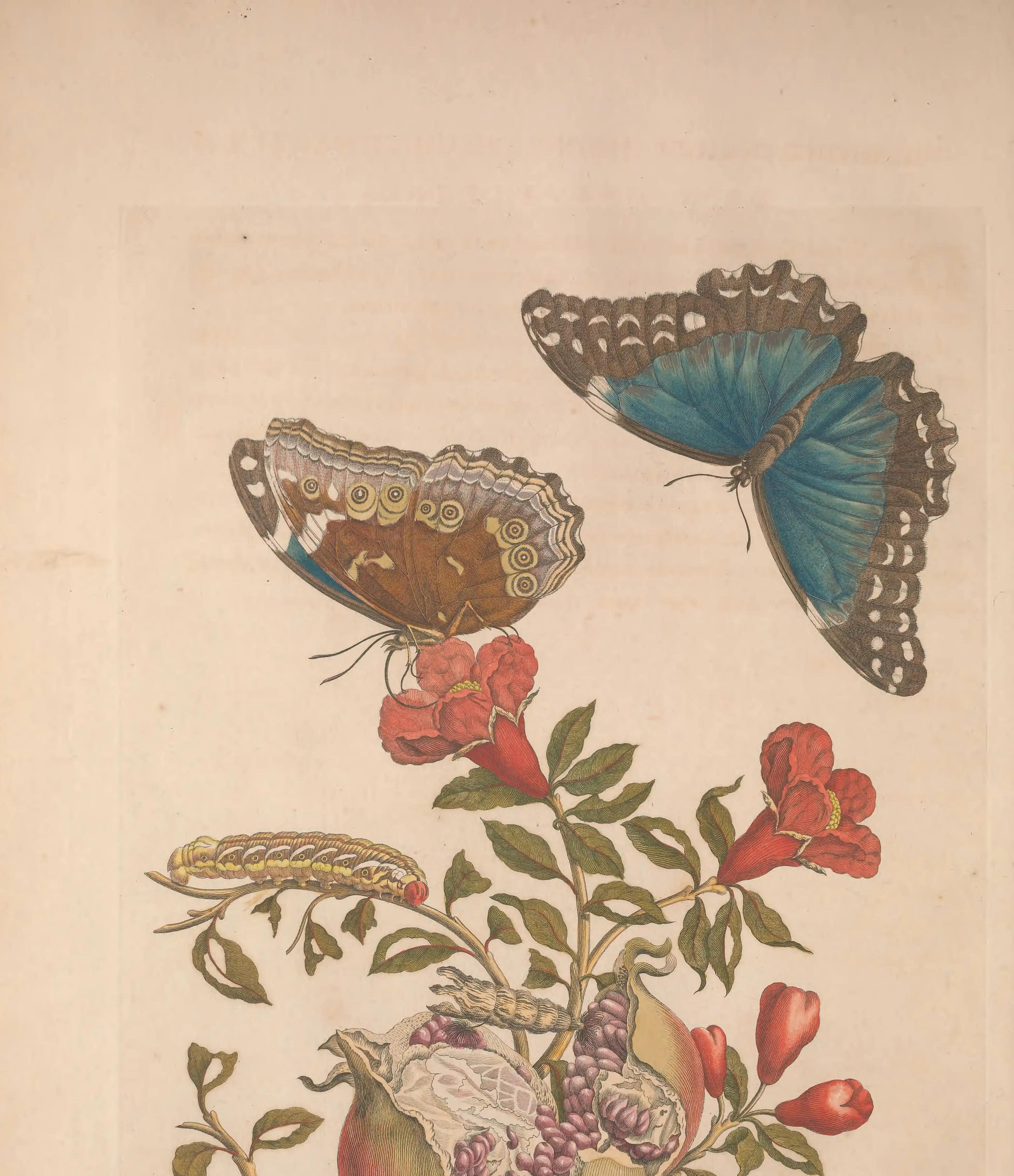
Maria Sibylla Merian’s pictures of Suriname began with the difficult business of keeping small animals alive. The leaves could fail, the wrong creature could emerge, and a beautiful plate could conceal a broken connection.