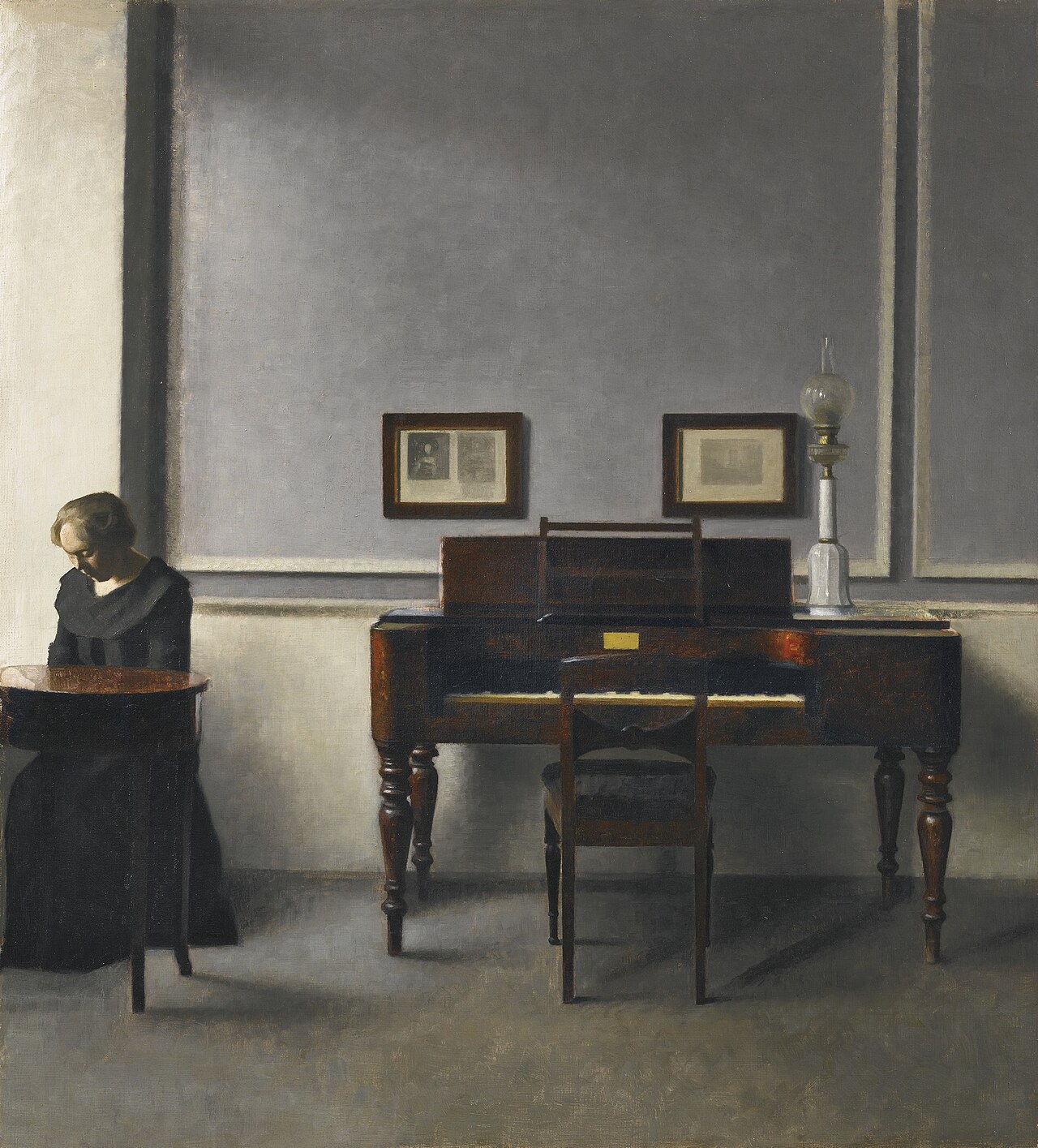
A room for unhurried thoughts.
The collector’s home and the pleasure of looking closely.
Read the storyThe collector’s room. Libraries, writing desks and quiet objects that turn a house into a personal world.
The collector’s home and the pleasure of looking closely.
Read the story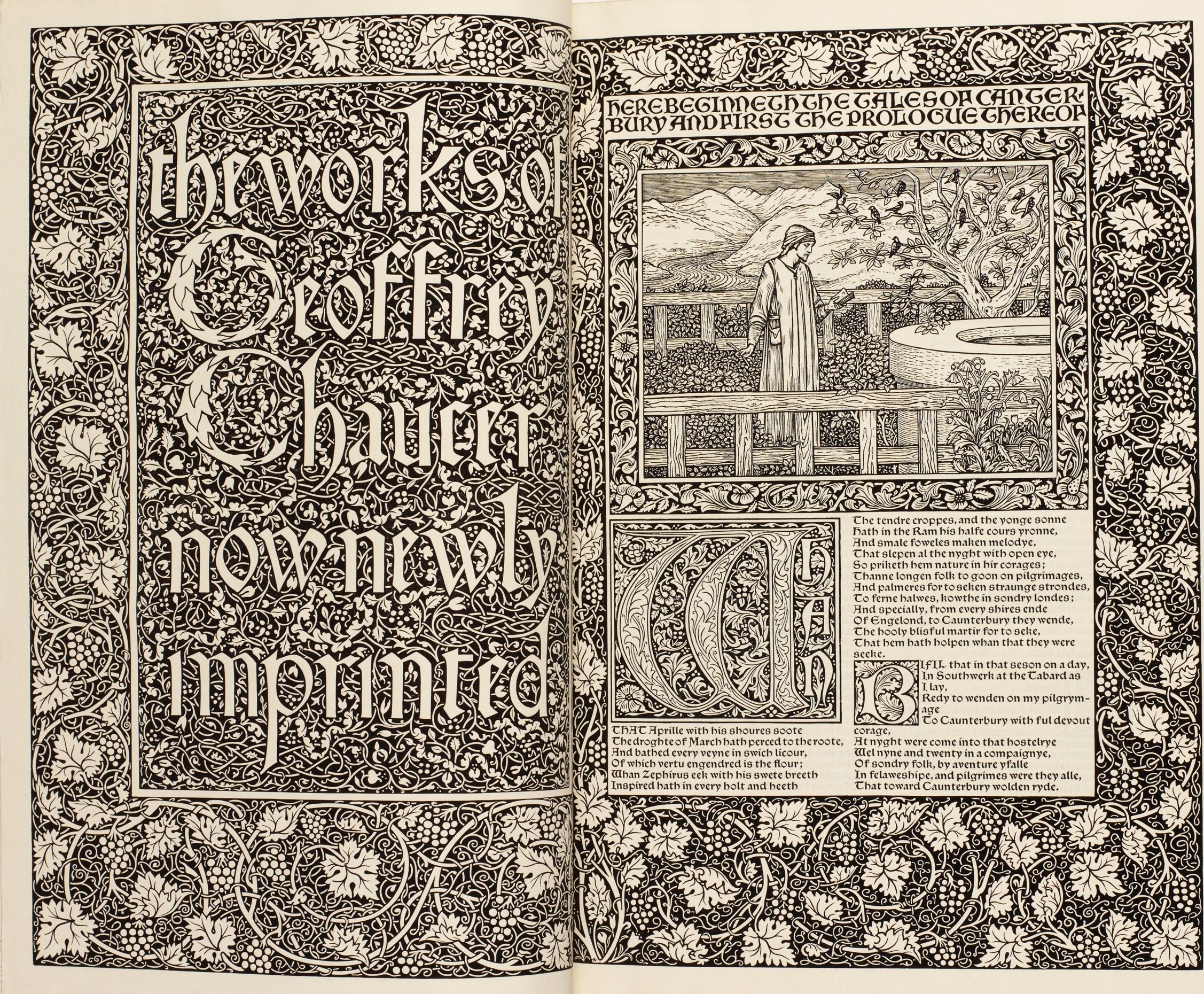
William Morris’s Chaucer began with type too large for its pages and grew to include 87 pictures by Edward Burne-Jones. Its subscribers kept their orders while a workshop brought the parts together.
Read the story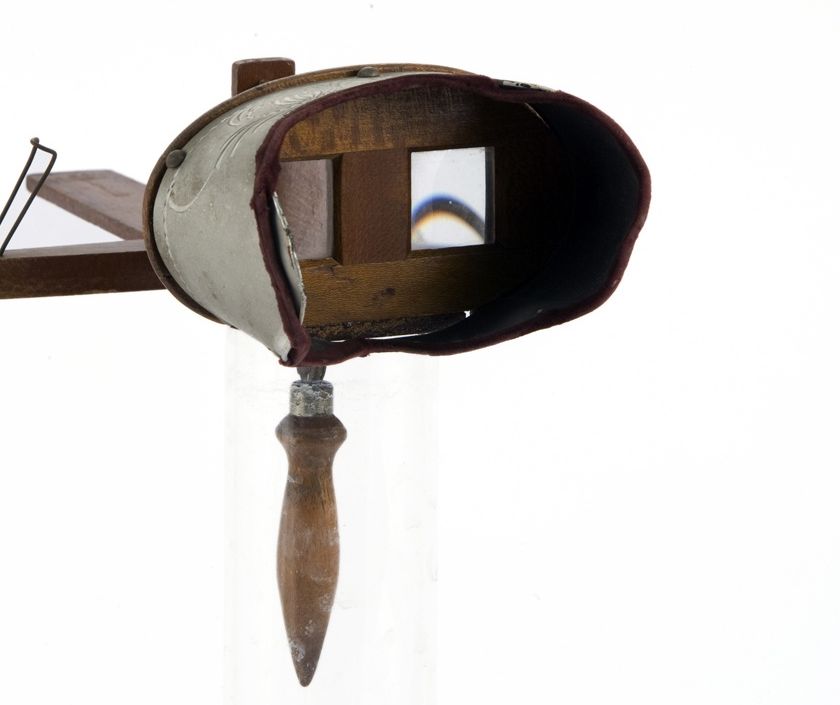
Around 1900, Underwood & Underwood offered a hundred stops through Ottoman Palestine without an ocean crossing. The stereoscope supplied depth; Jesse Lyman Hurlbut’s guide told the traveller where to stand, how to look and which past to imagine.
Read the story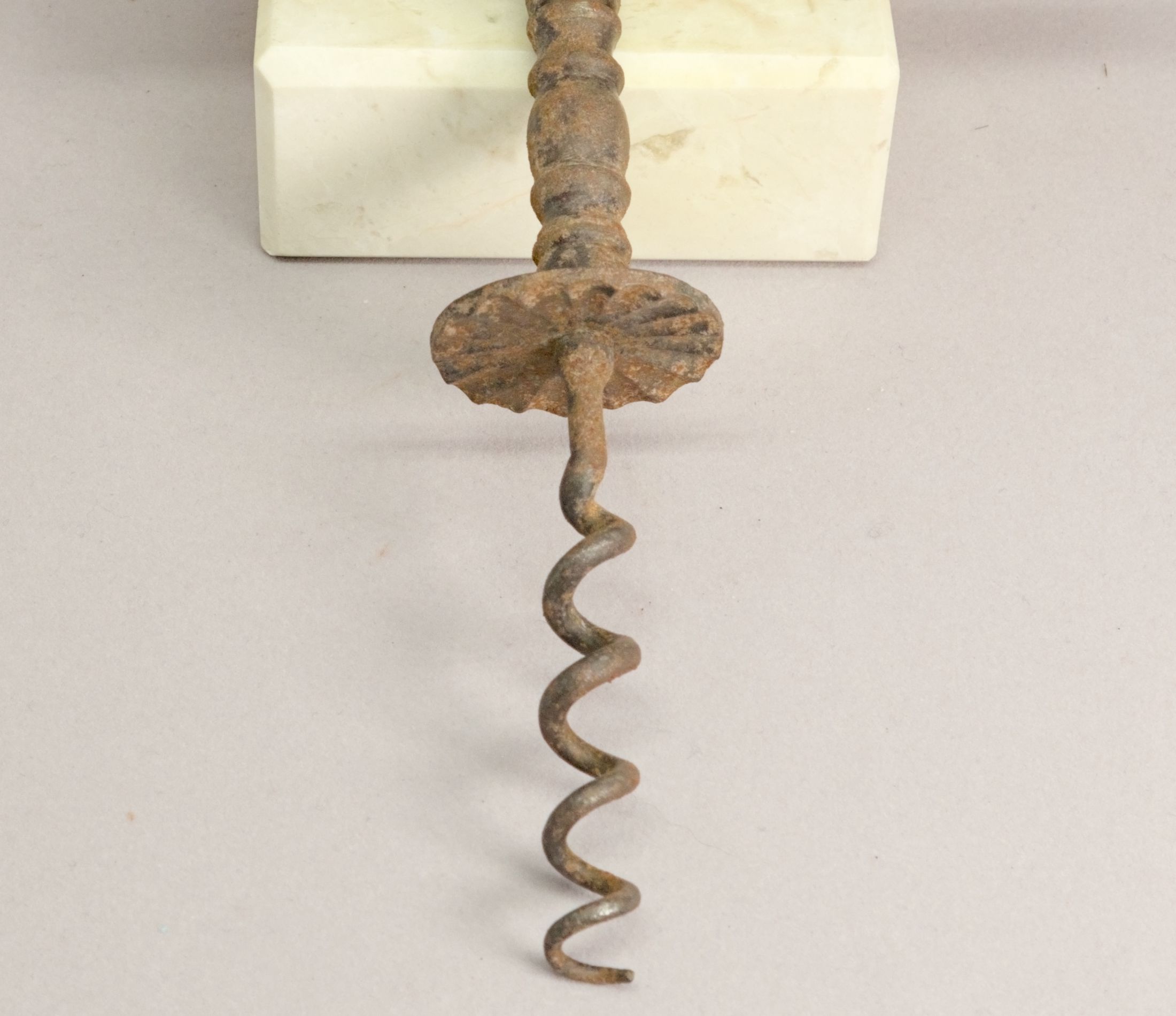
Samuel Henshall gave a familiar corkscrew one extra task before the upward pull. Getting his idea made at Soho brought the clergyman into another difficulty: paying his share.
Read the story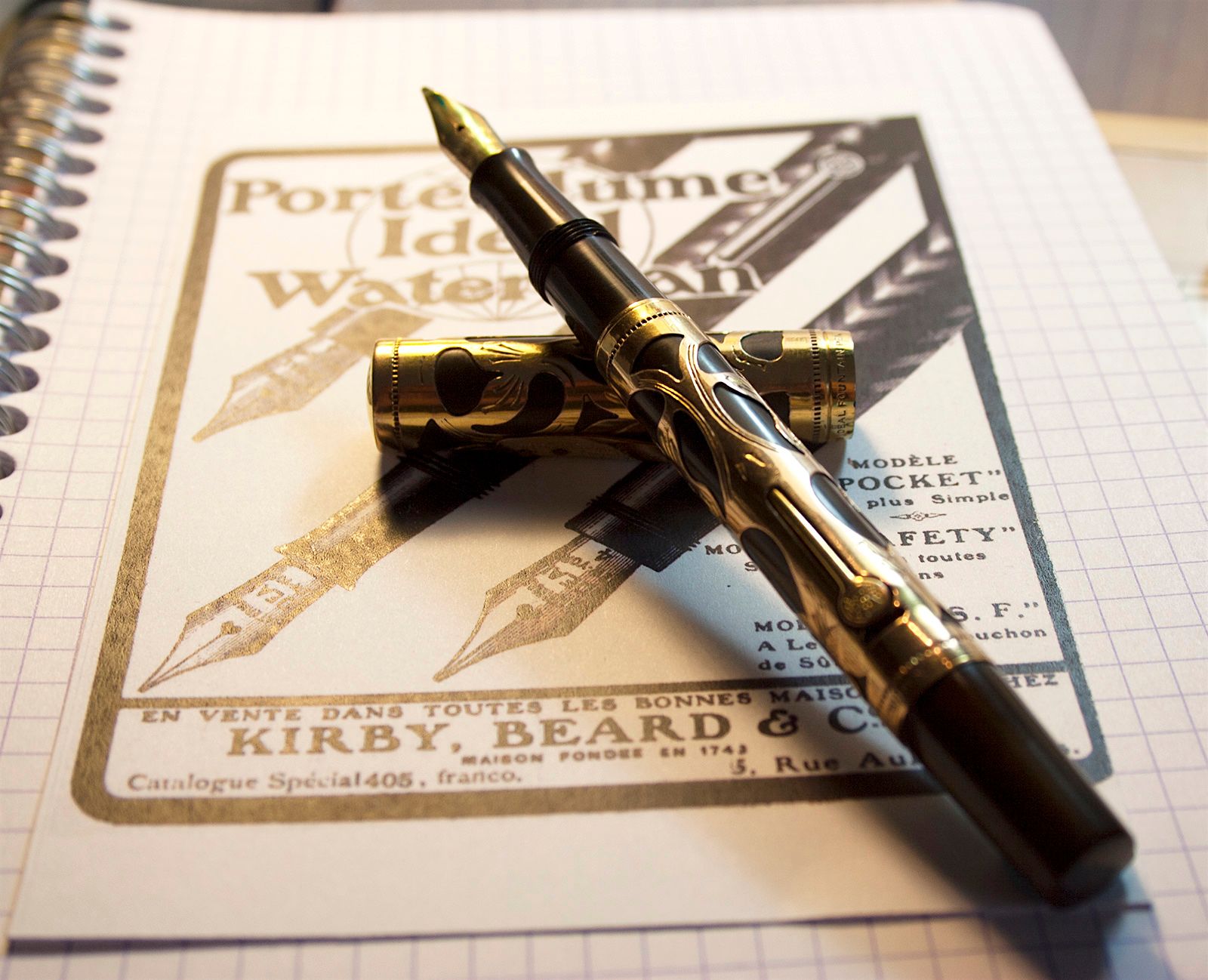
Waterman gave buyers thirty days to judge his fountain pen. His instructions explained how to carry the ink, keep it flowing and recognise when the pen needed another visit to the maker.
Read the story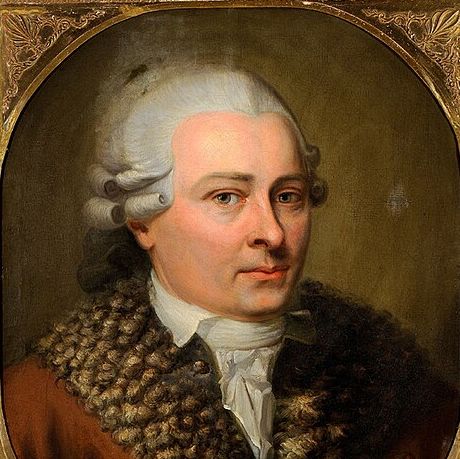
David Roentgen’s cabinets could command a room with springs, music and disappearing compartments. Winning an audience with Europe’s rulers required another set of mechanisms: introductions, travelling showpieces and carefully judged flattery.
Read the story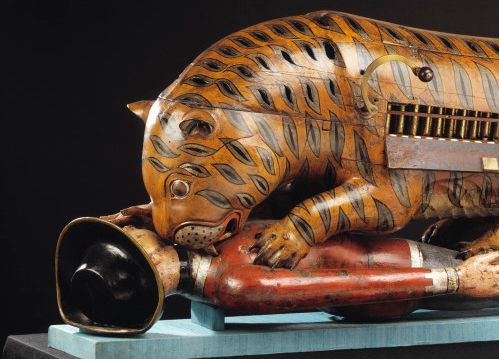
A wooden tiger could growl, make its victim cry and play music. Taken from Tipu Sultan’s palace in 1799, it became one of London’s most popular museum exhibits, and a nuisance to readers in the next room.
Read the story