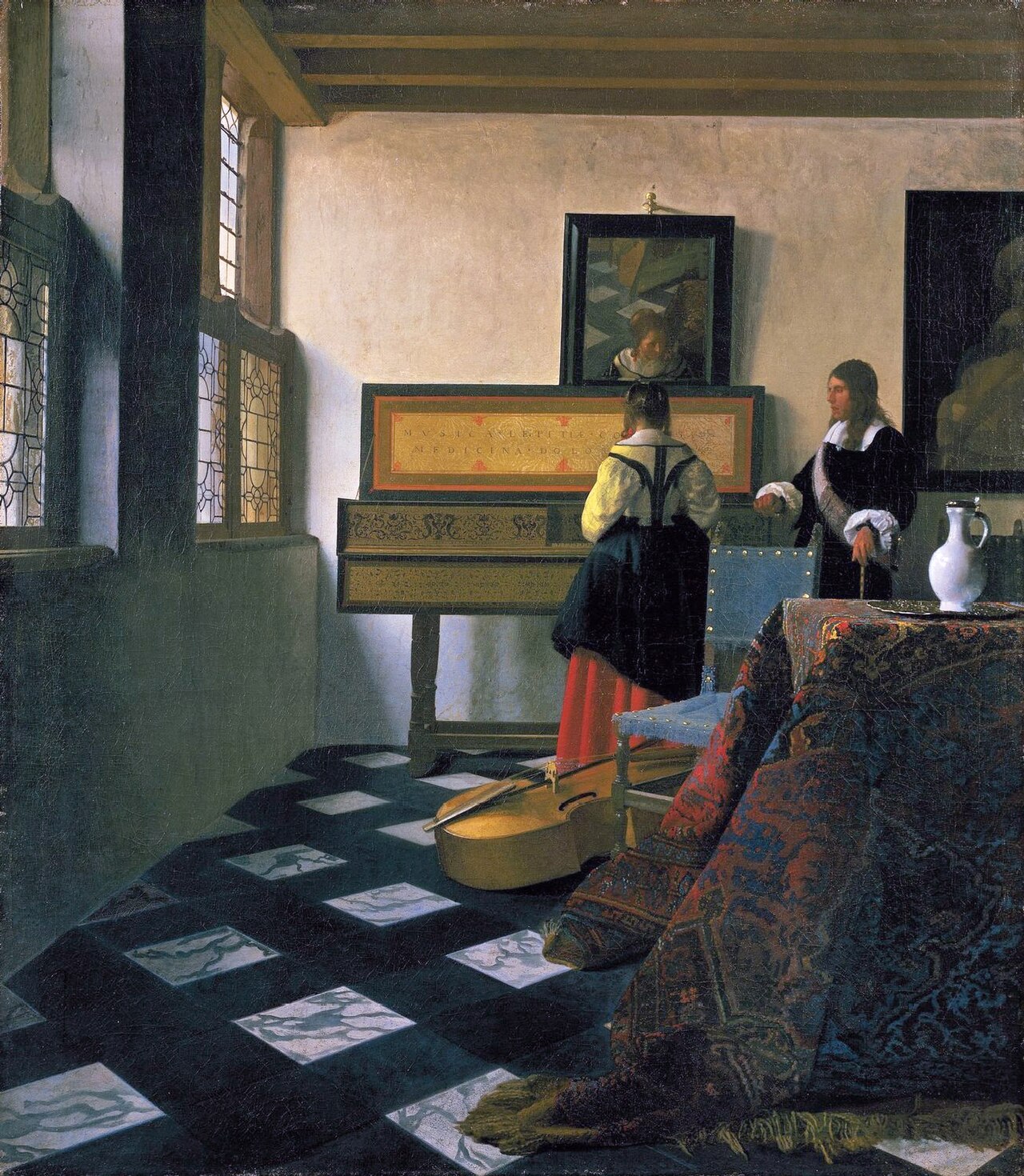
Before music filled the room.
Wood, strings and the instrument maker’s hand.
Read the storyMusic, art and culture, told through instruments, materials and the people who gave them form.
Wood, strings and the instrument maker’s hand.
Read the story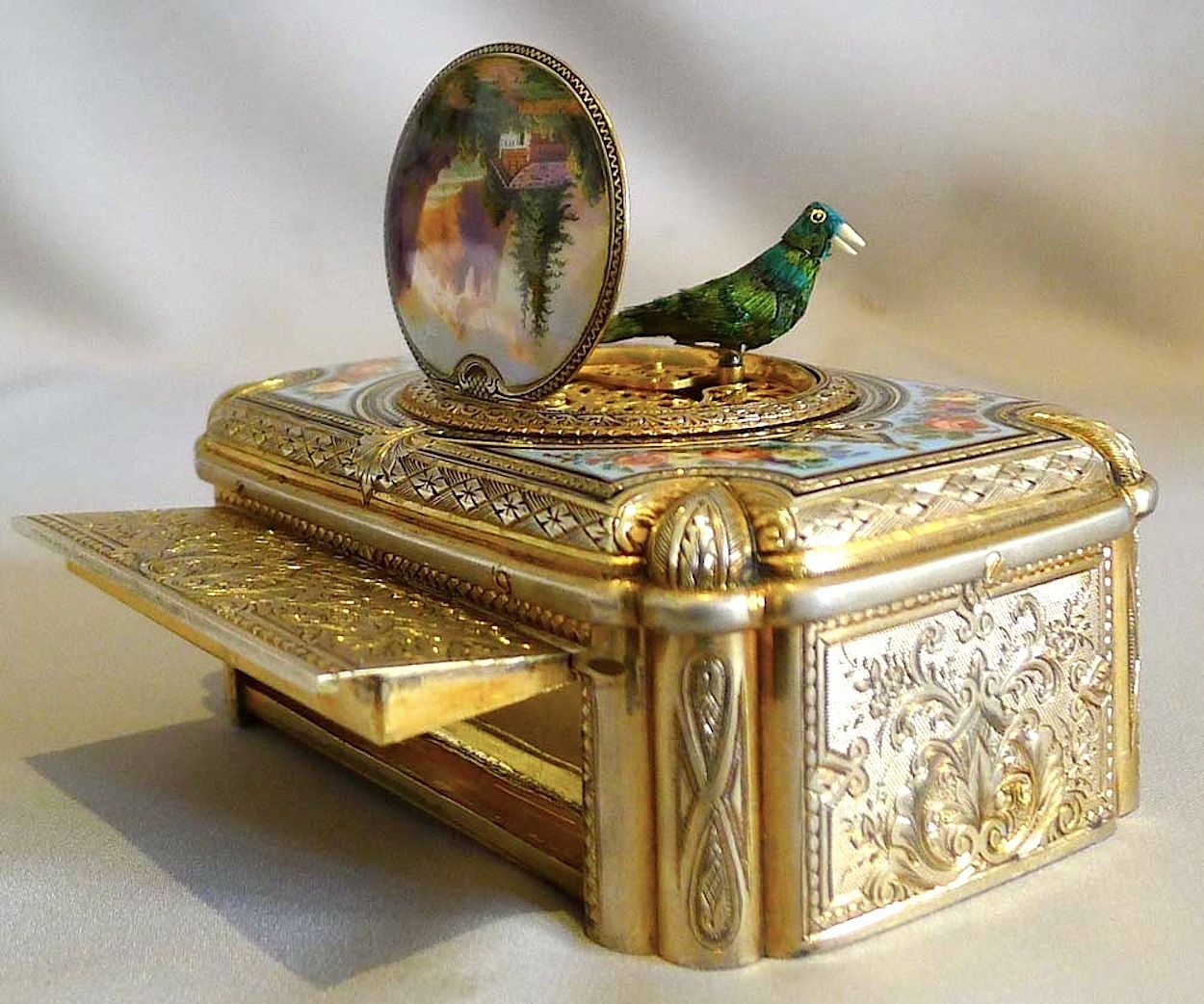
The Bruguier family’s Swiss singing-bird boxes concealed a performance beneath a painted landscape. Bellows supplied the voice and shaped metal controlled the movements; behind the familiar maker’s name were two Charleses, a son-in-law and a woman who pinned musical cylinders.
Read the story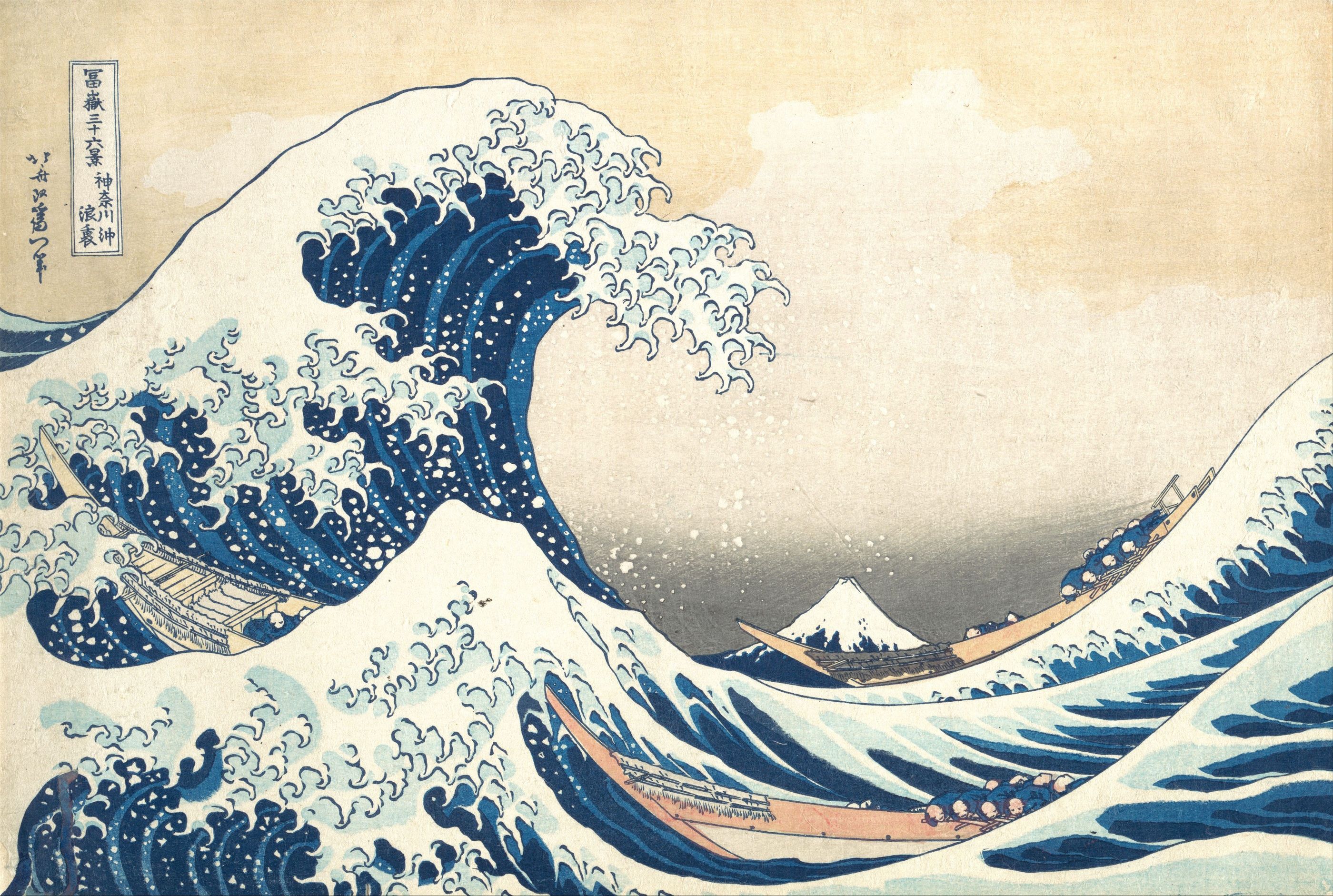
A few gaps in a blue border help order surviving impressions of Hokusai’s Great Wave. They open a history of carved wood, hand printing and colour that changed both in the workshop and afterwards.
Read the story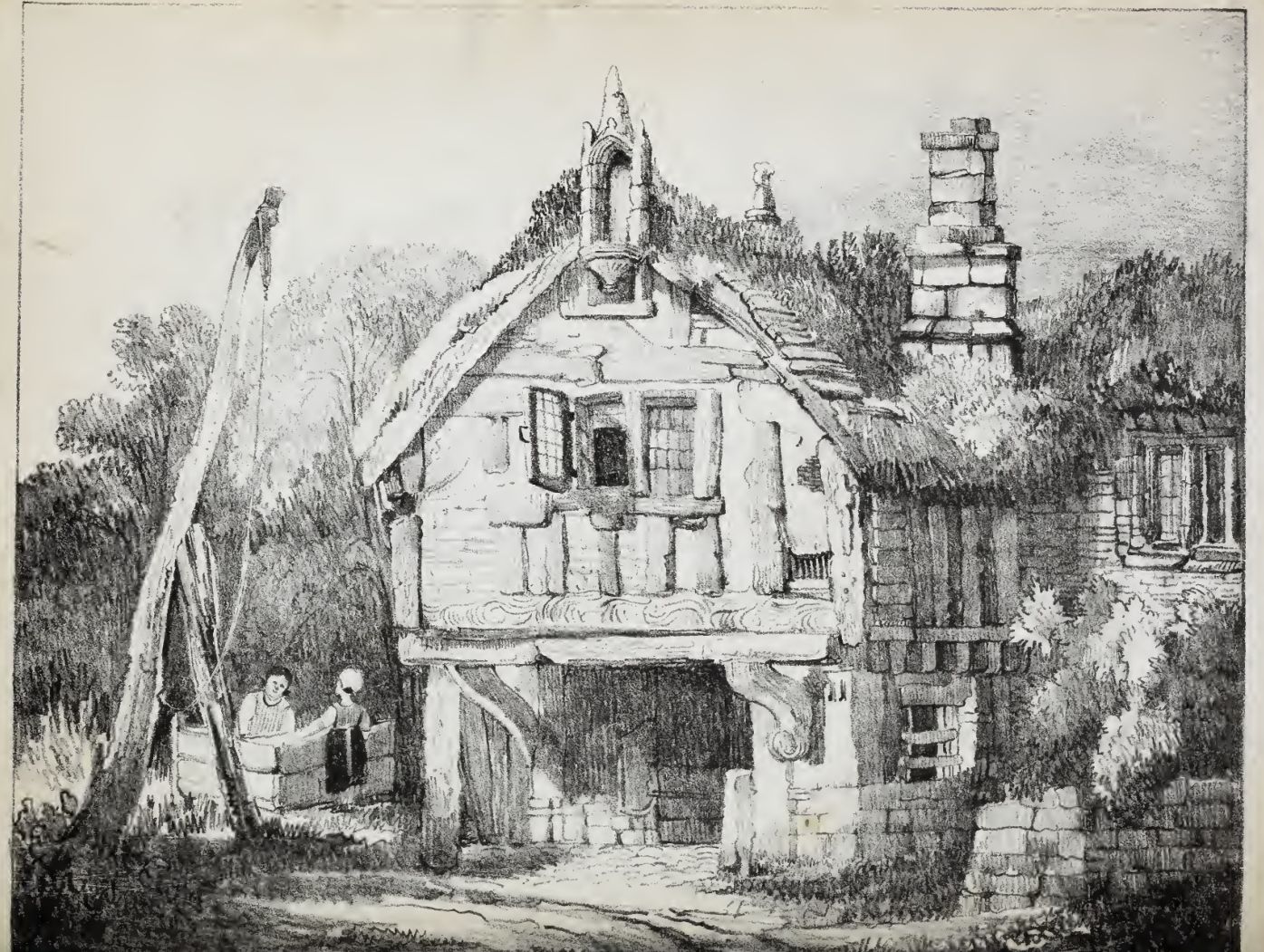
Alois Senefelder wanted to print his own plays. Music brought him a partner and paying work, but a better press began ruining the paper. Making lithography useful took more than a mark on limestone.
Read the story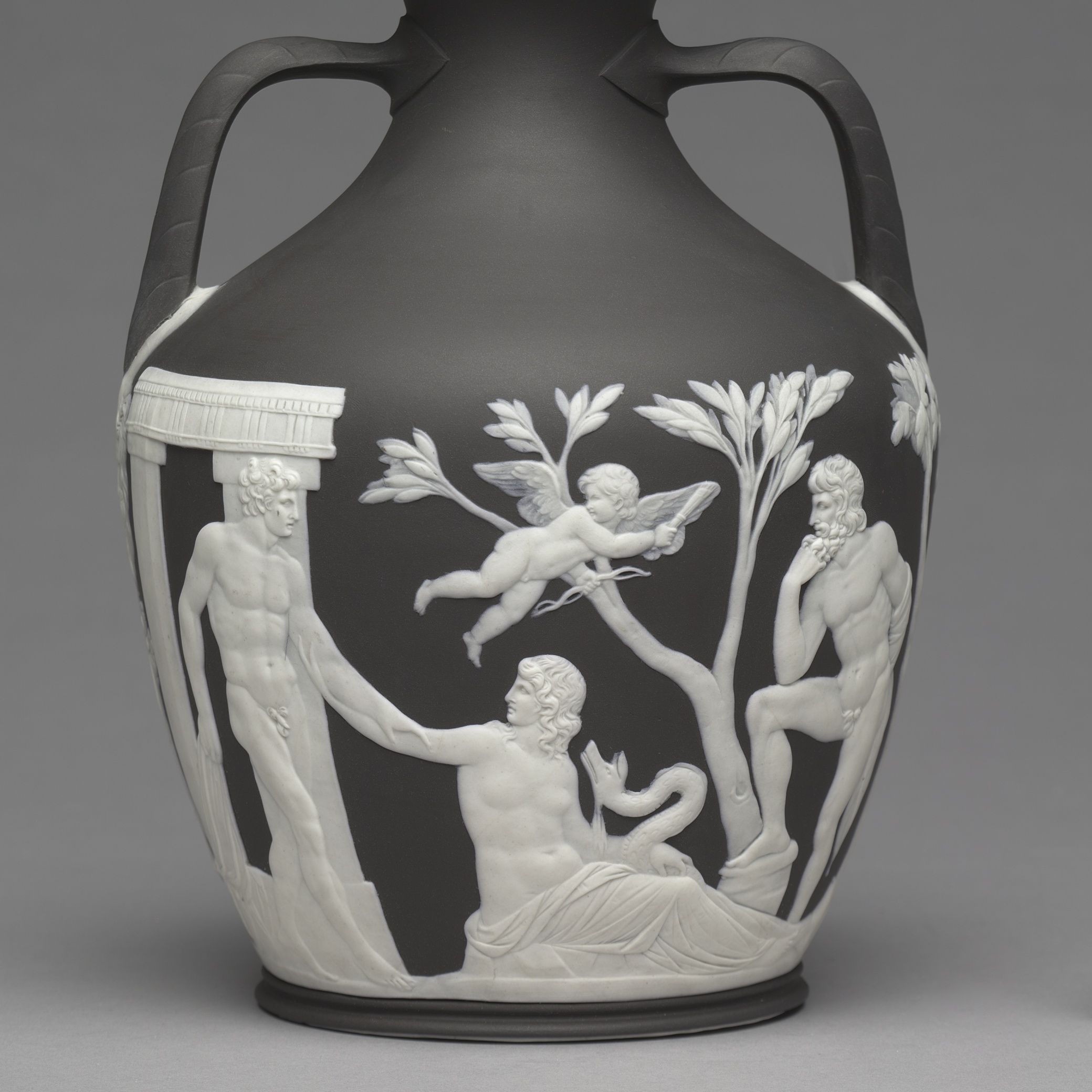
Josiah Wedgwood borrowed the Portland Vase, a celebrated Roman glass vessel, in 1786. Copying its figures in pottery required new colours, different ways of making shade and a decision about which imperfections to keep.
Read the story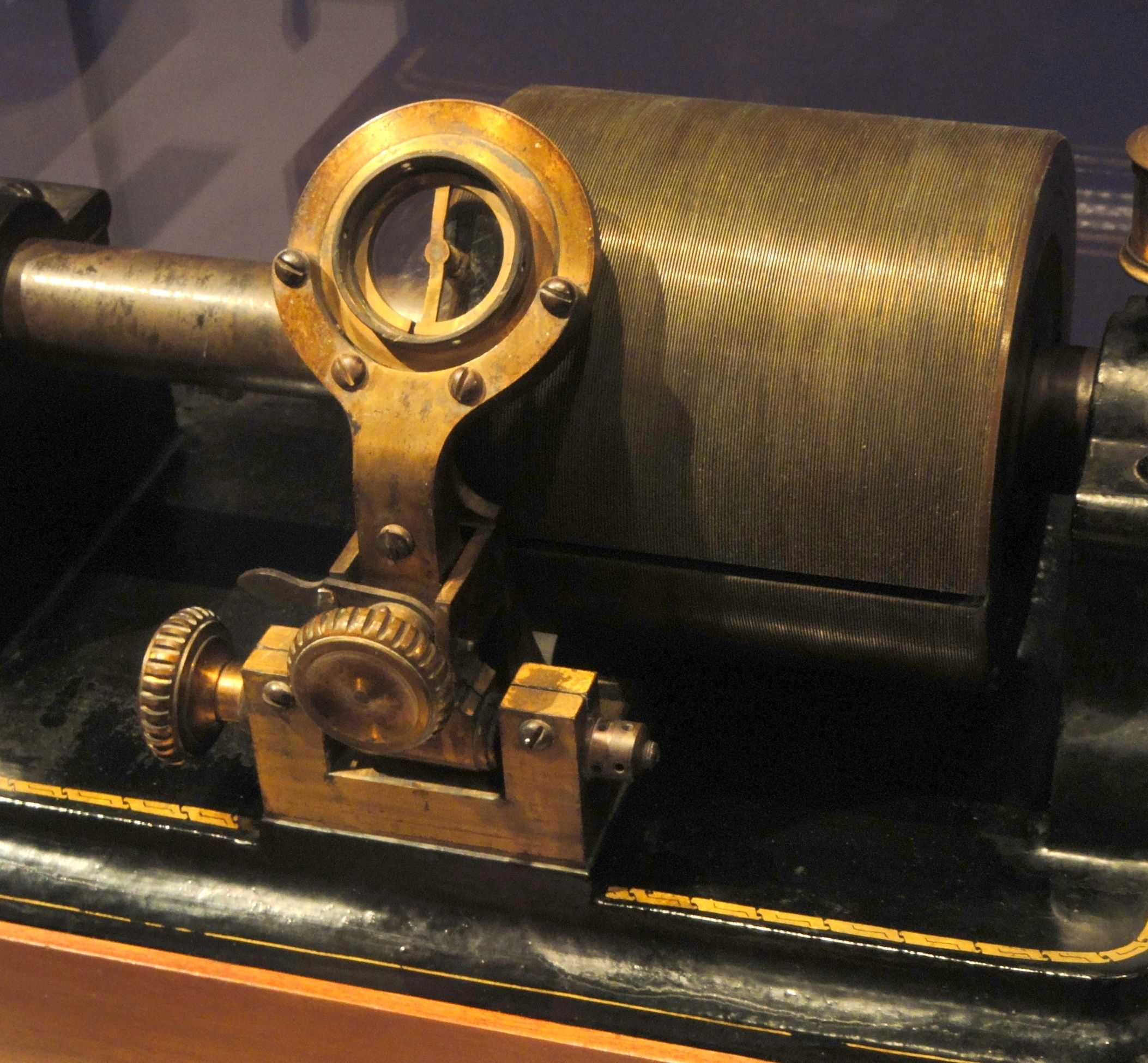
Edison's tinfoil phonograph brought a voice back from a sheet of metal. In 1878, getting it to speak before an audience meant adjusting the machinery, shouting into it and knowing what to do when the first attempt failed.
Read the story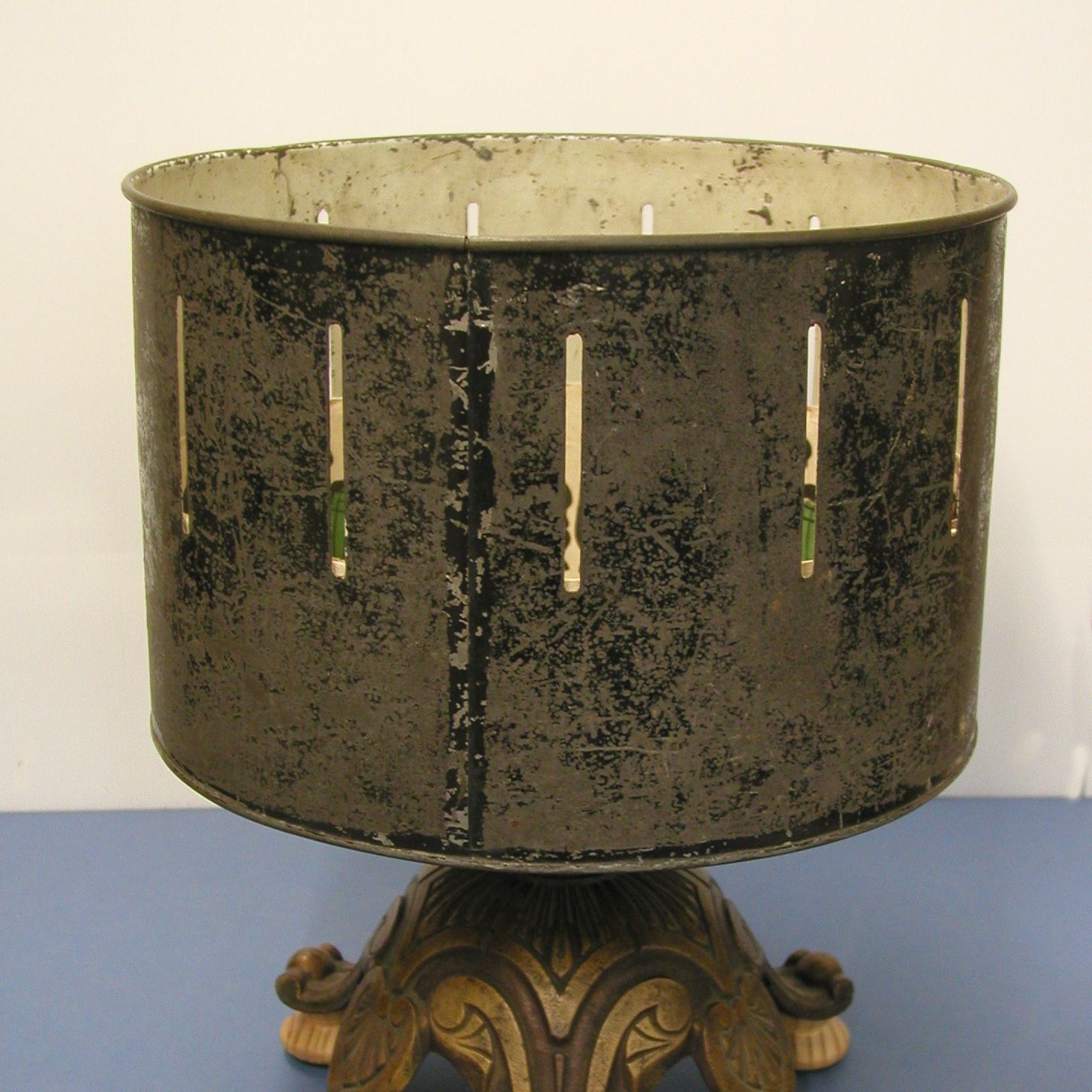
A wheel turns and a pair of shears opens and closes, although the machine is printed on paper. A surviving Victorian zoetrope and its picture strips reveal how much of the action had to be settled before anyone spun the drum.
Read the story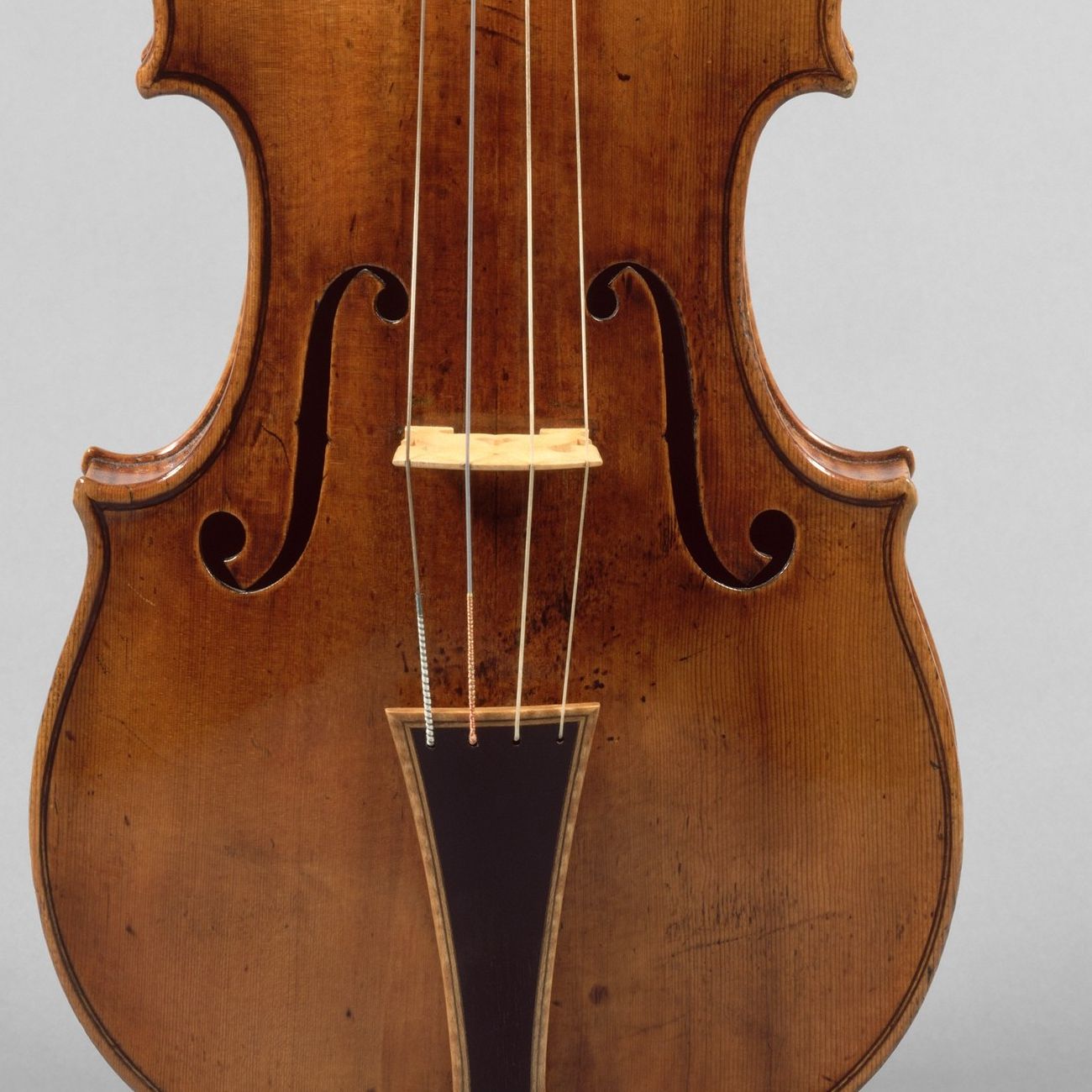
Stradivari’s surviving forms helped a workshop repeat its work. Matching one to a finished violin takes more than following the outline.
Read the story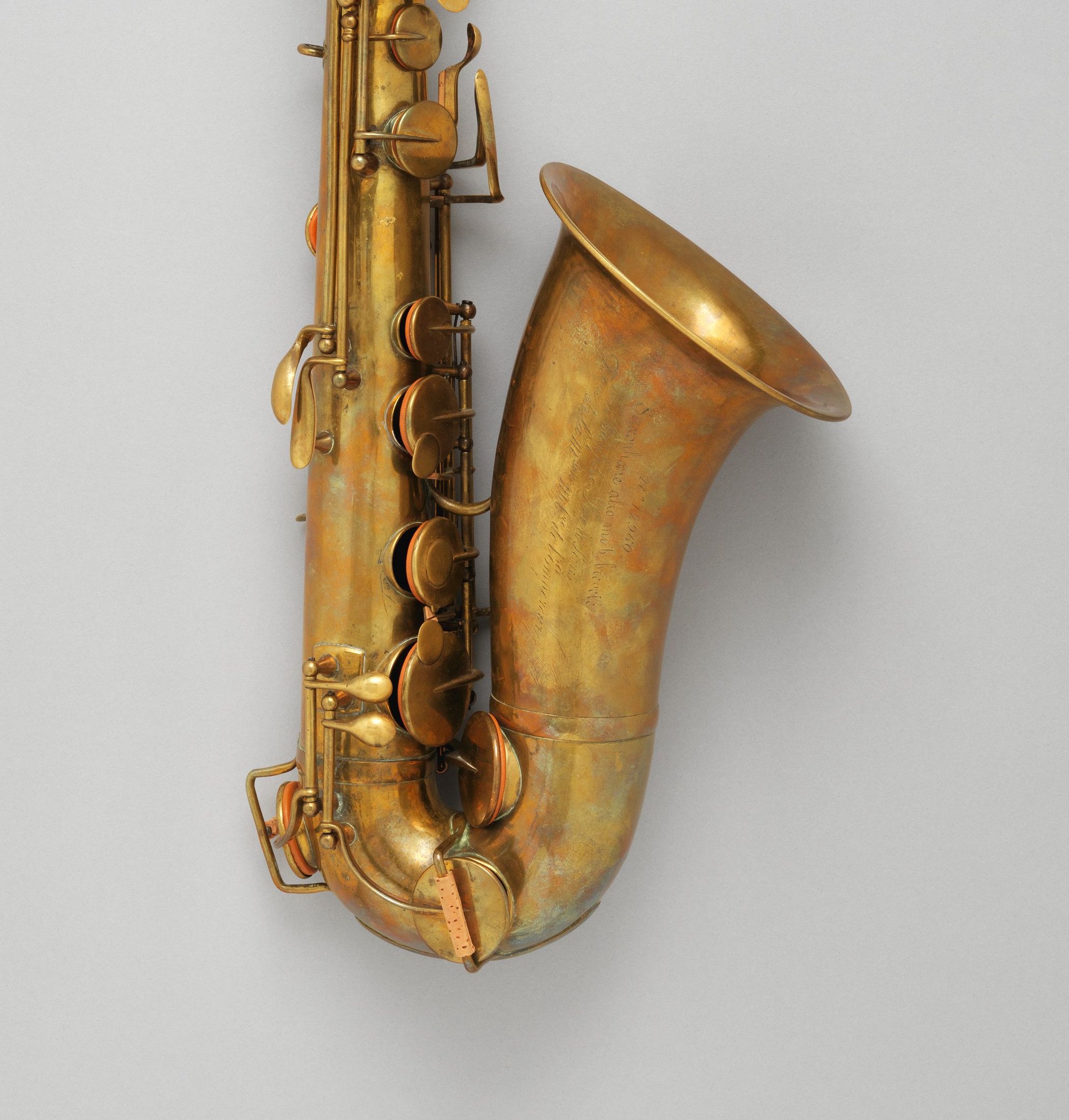
Adolphe Sax’s new instrument needed players. Georges Kastner explained the fingering, and military pupils learnt to make music with it.
Read the story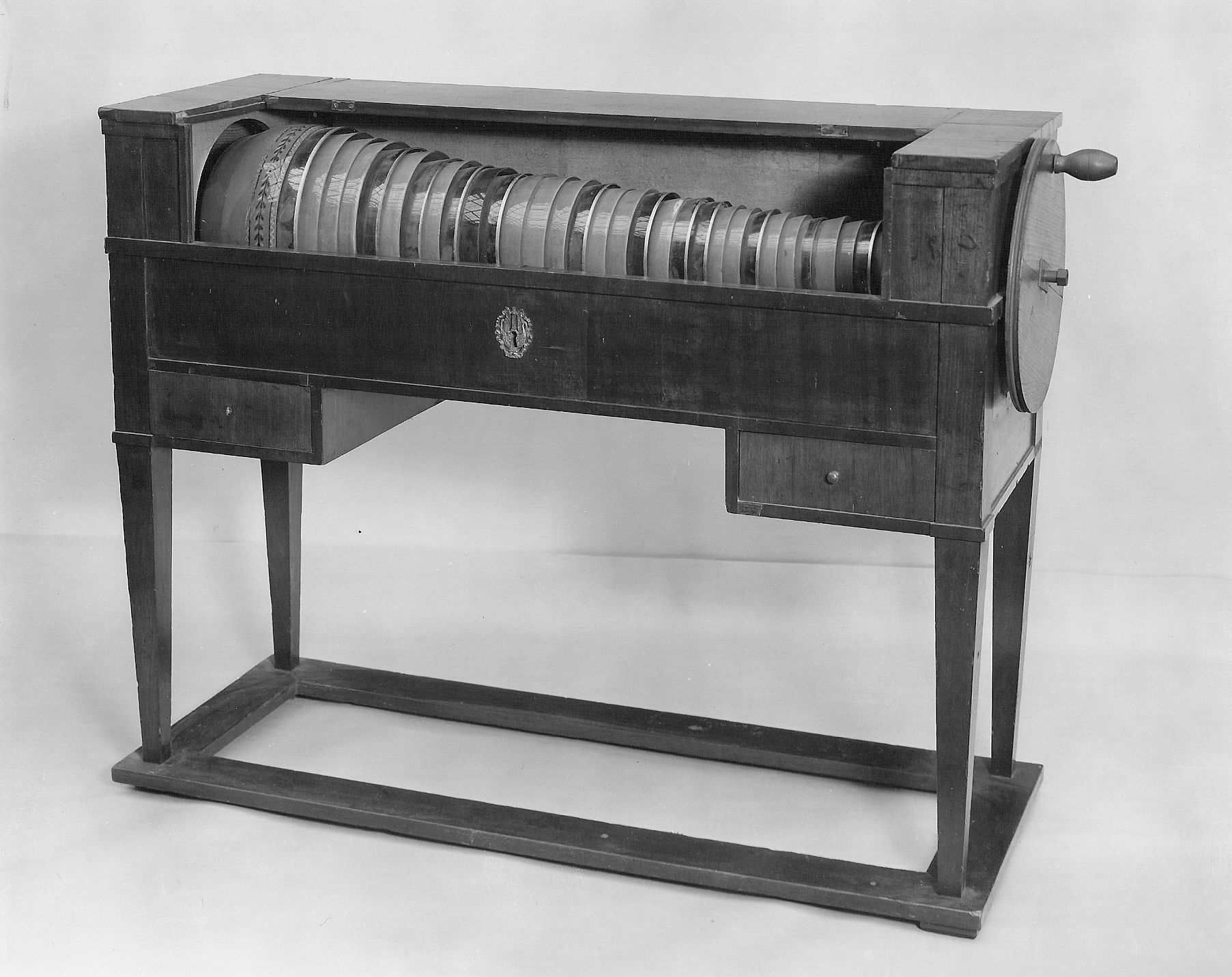
Benjamin Franklin brought spinning glass bowls within reach of two hands. Marianna Kirchgässner turned that possibility into a career, with music by Mozart and a new instrument made for her in London.
Read the story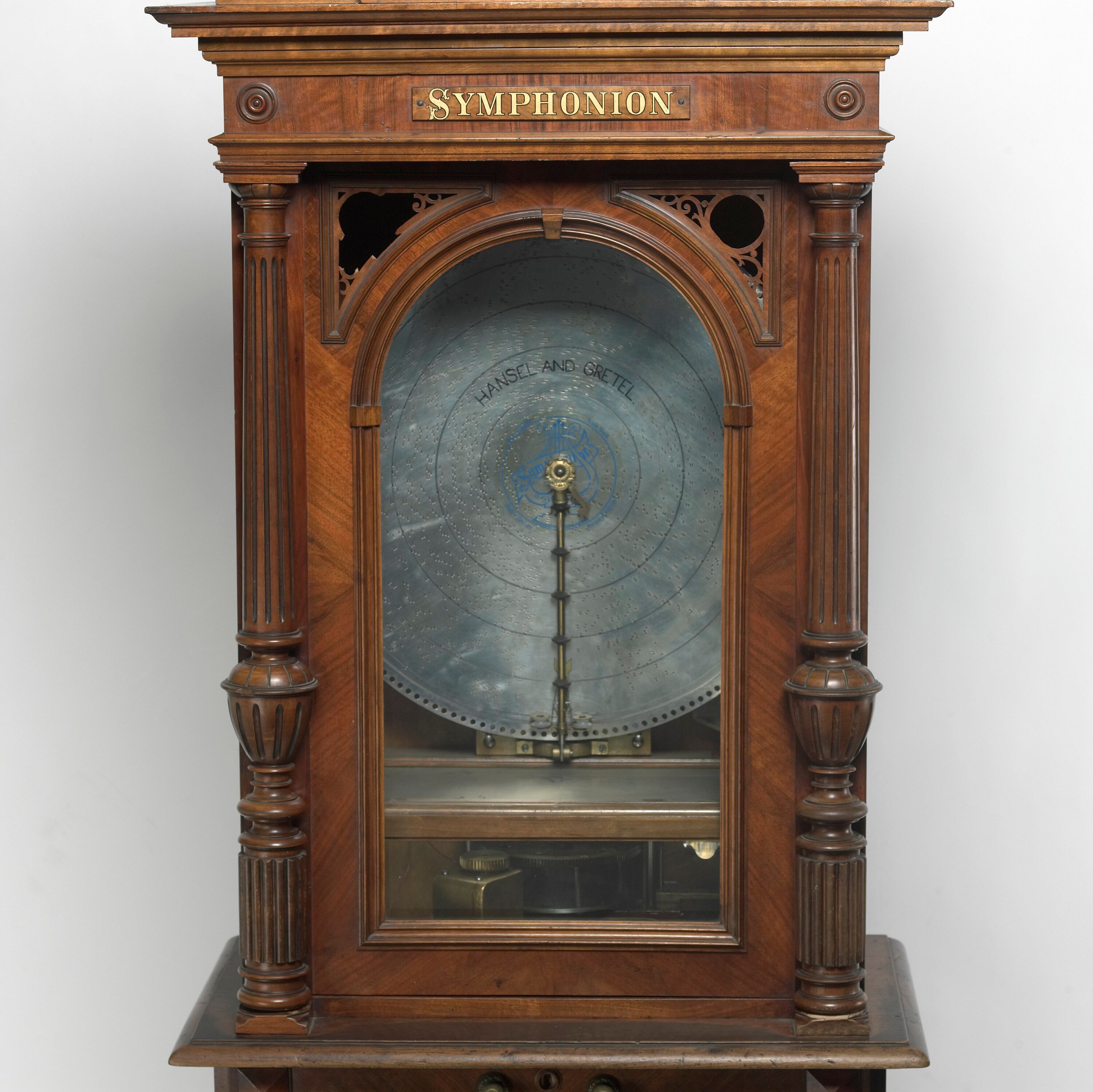
Around 1889, a Melbourne bookseller's music department ordered a German Symphonion. Customers paid a penny to set it playing; changing the tune meant opening the cabinet and lifting out a large steel disc.
Read the story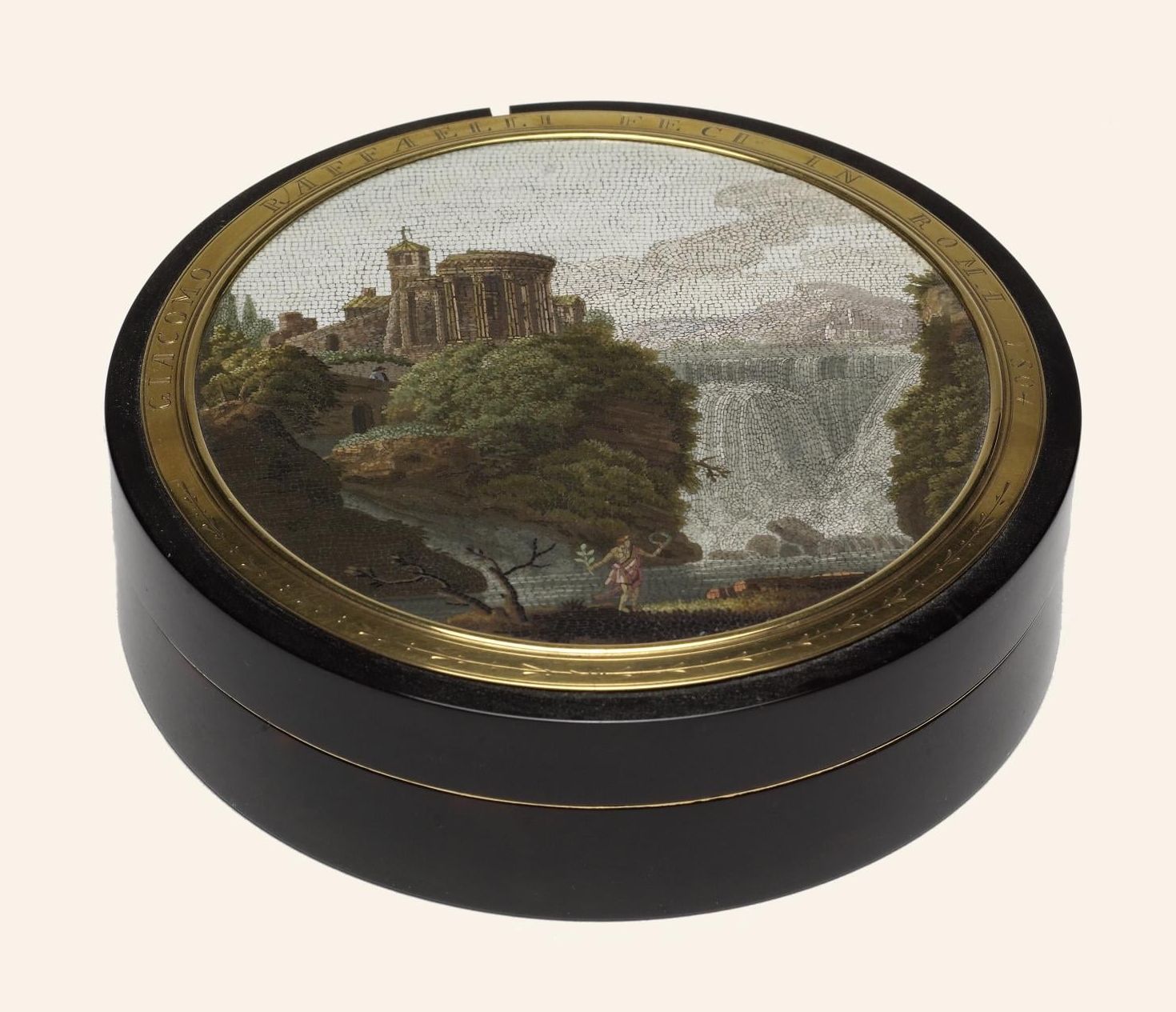
Giacomo Raffaelli rebuilt an ancient Roman favourite in a circle of glass just twelve centimetres wide. His doves belonged to a trade that let travellers take the city's monuments home, one tiny piece at a time.
Read the story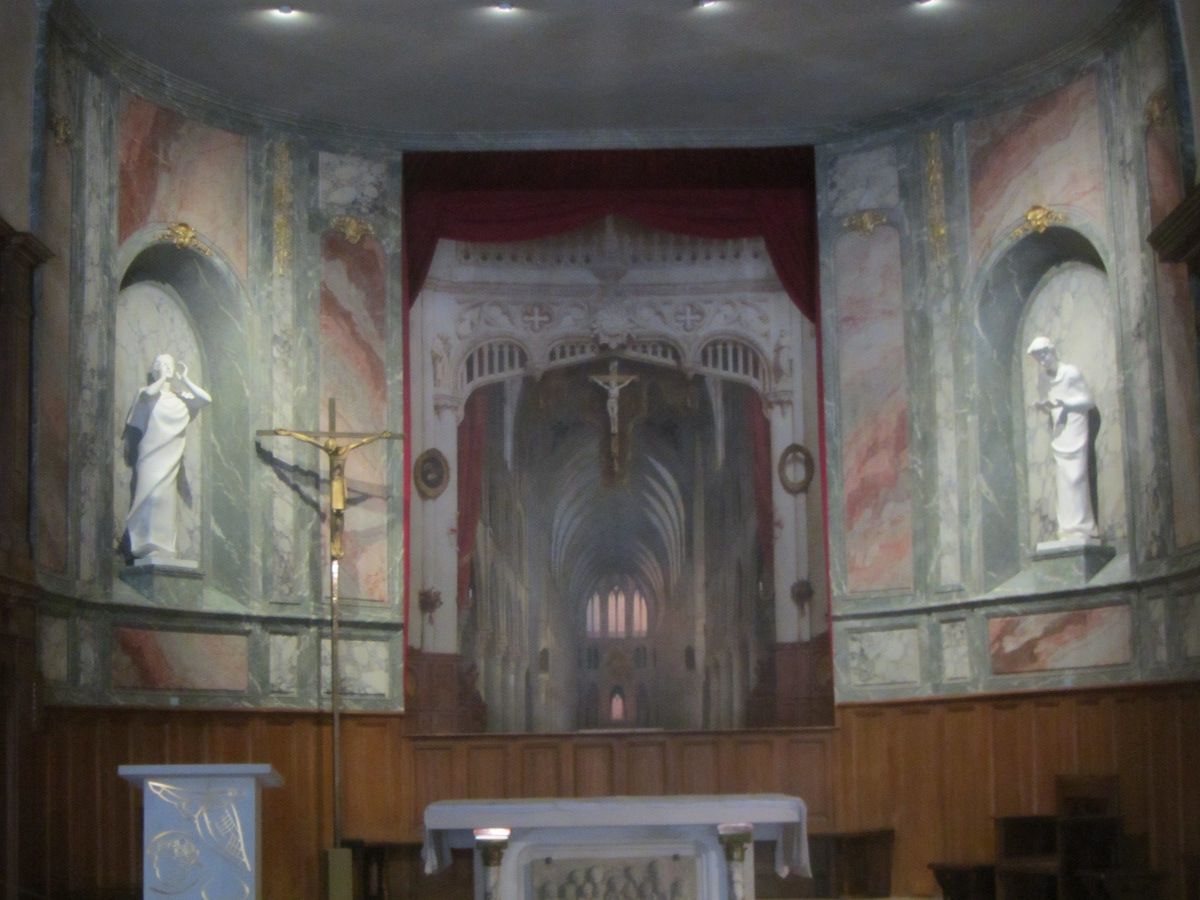
Louis Daguerre's diorama brought theatrical illusion into a village church in 1842. A priest objected to the gathering spectators and the gloom. Later restorers faced a different problem: repairing the canvas without blocking the light.
Read the story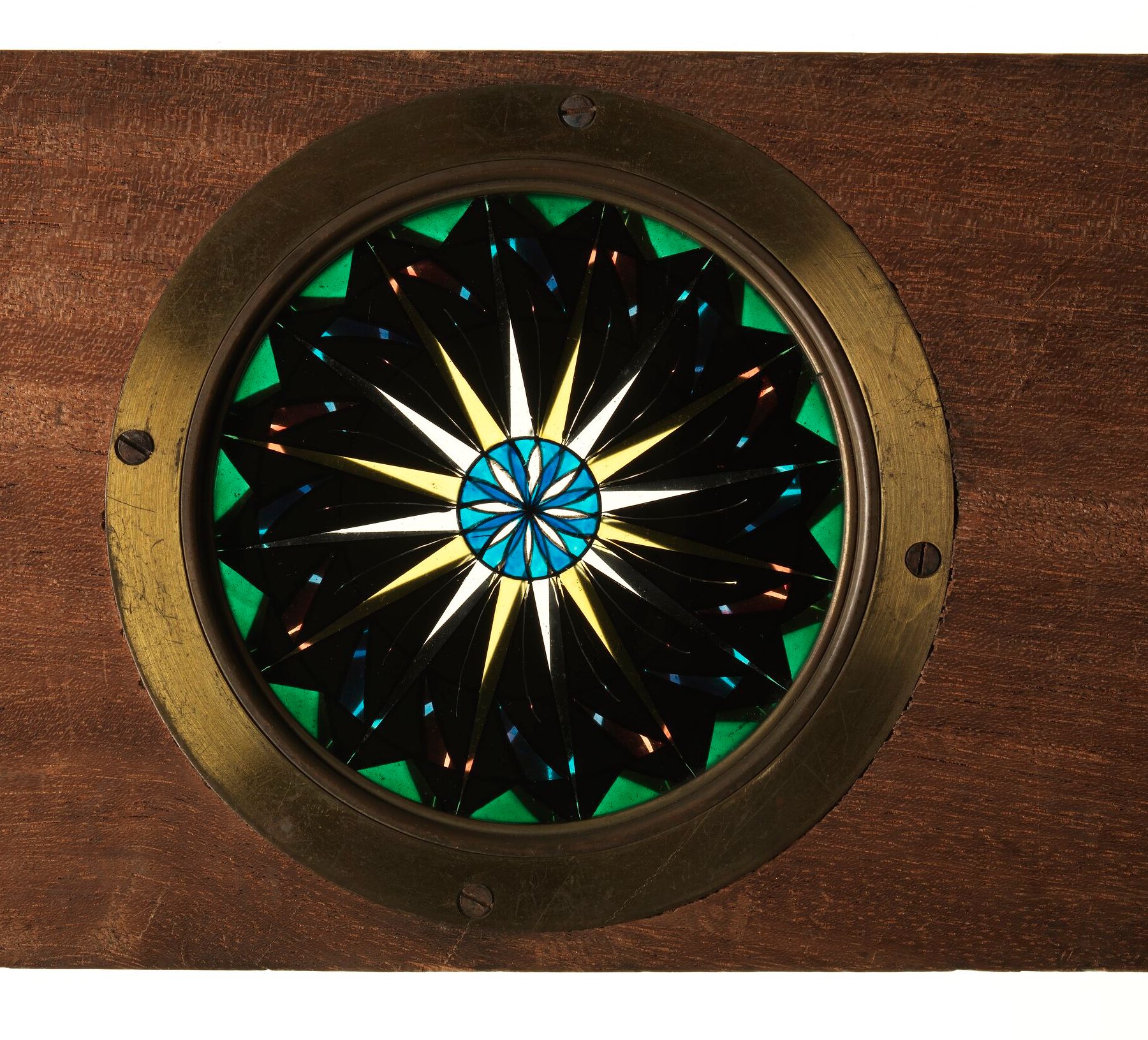
Mechanical magic-lantern slides made painted figures move and coloured patterns revolve. In Adelaide in 1848, Henry Kesterton's ambitious show depended on a lecturer, a limited supply of gas and an agreement that the two men remembered differently.
Read the story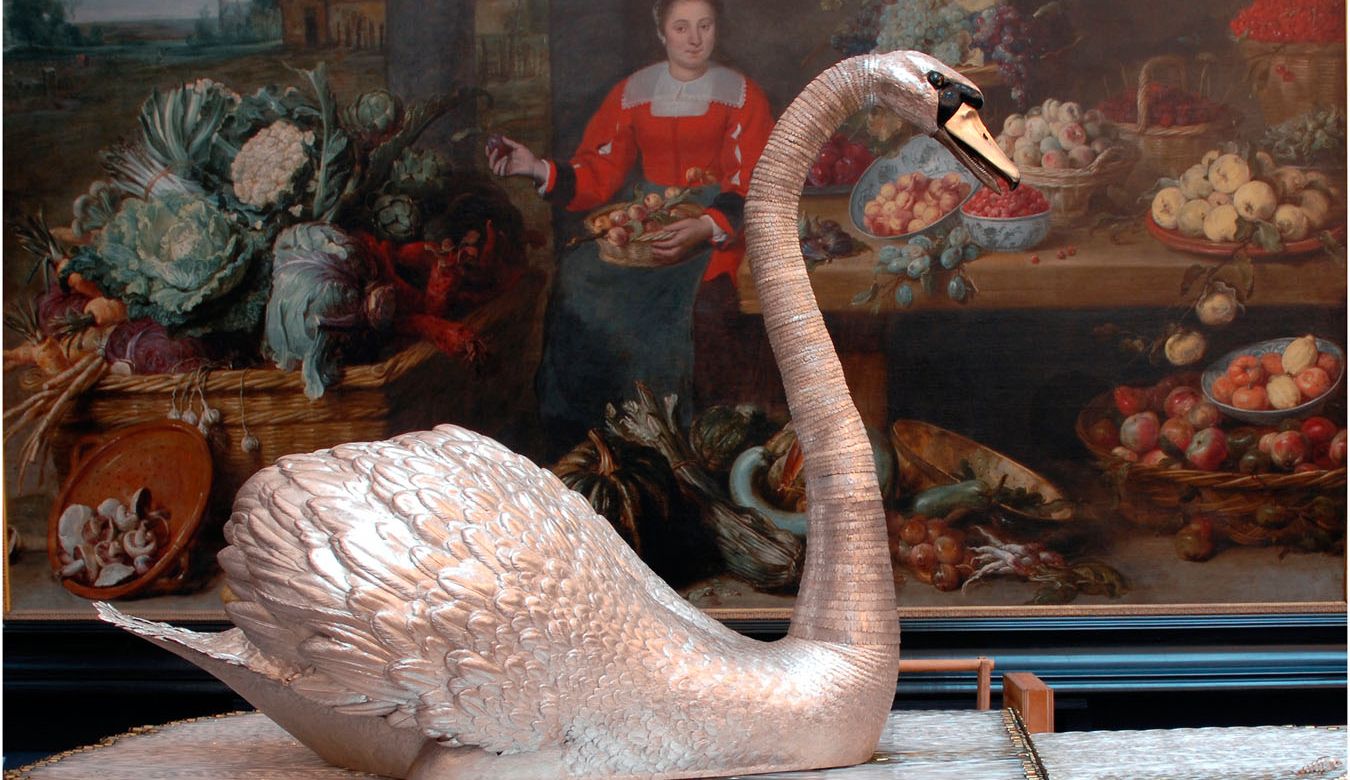
All seven fish remain after the Silver Swan has apparently swallowed one. The Bowes Museum’s bird has a concealed catch, an altered movement and a wooden understudy built to test how a silver neck should turn.
Read the story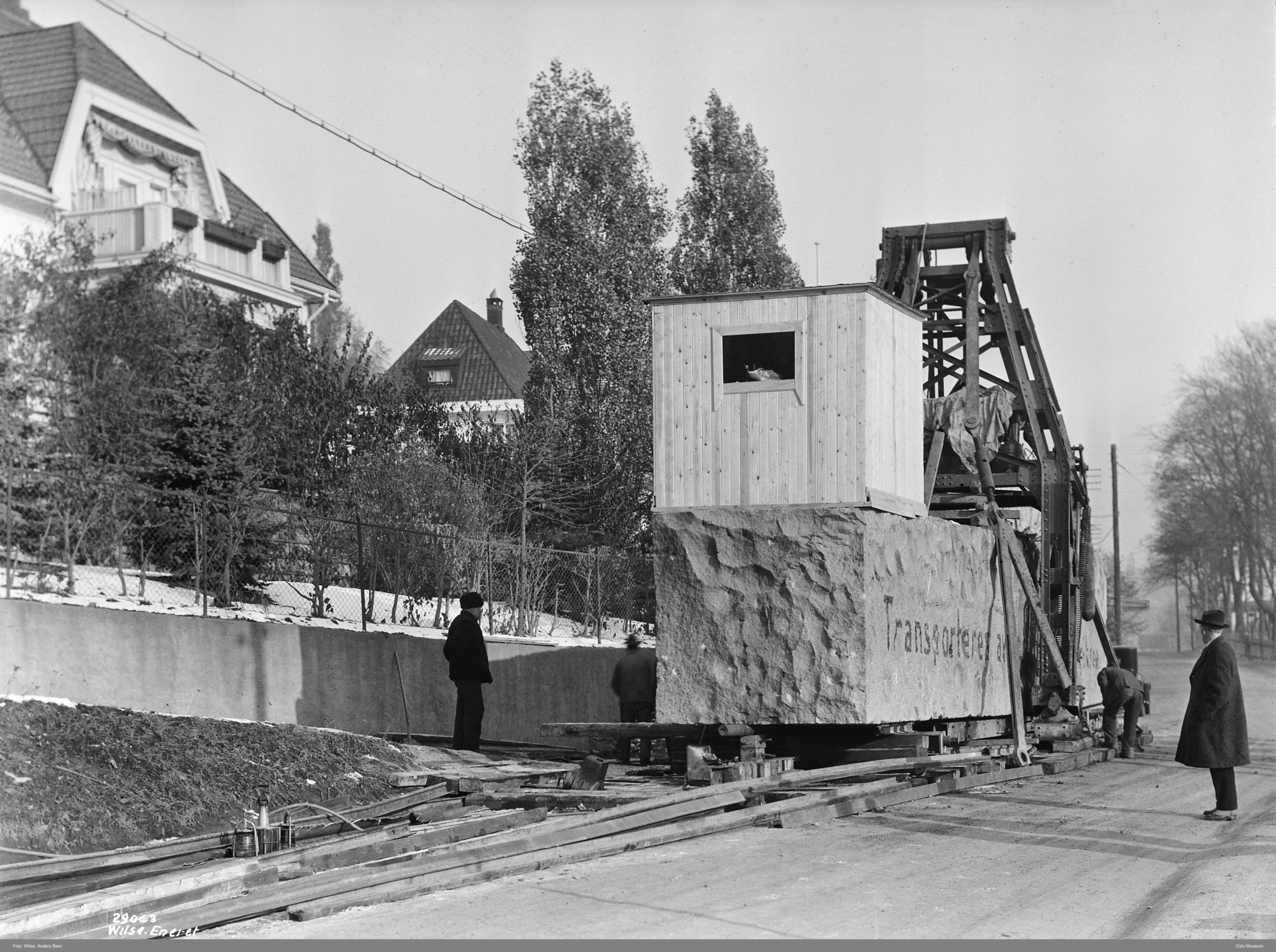
A walking transport frame, a bargain with the city and thirteen years of carving: how Gustav Vigeland’s Monolith reached the centre of an extraordinary park.
Read the story