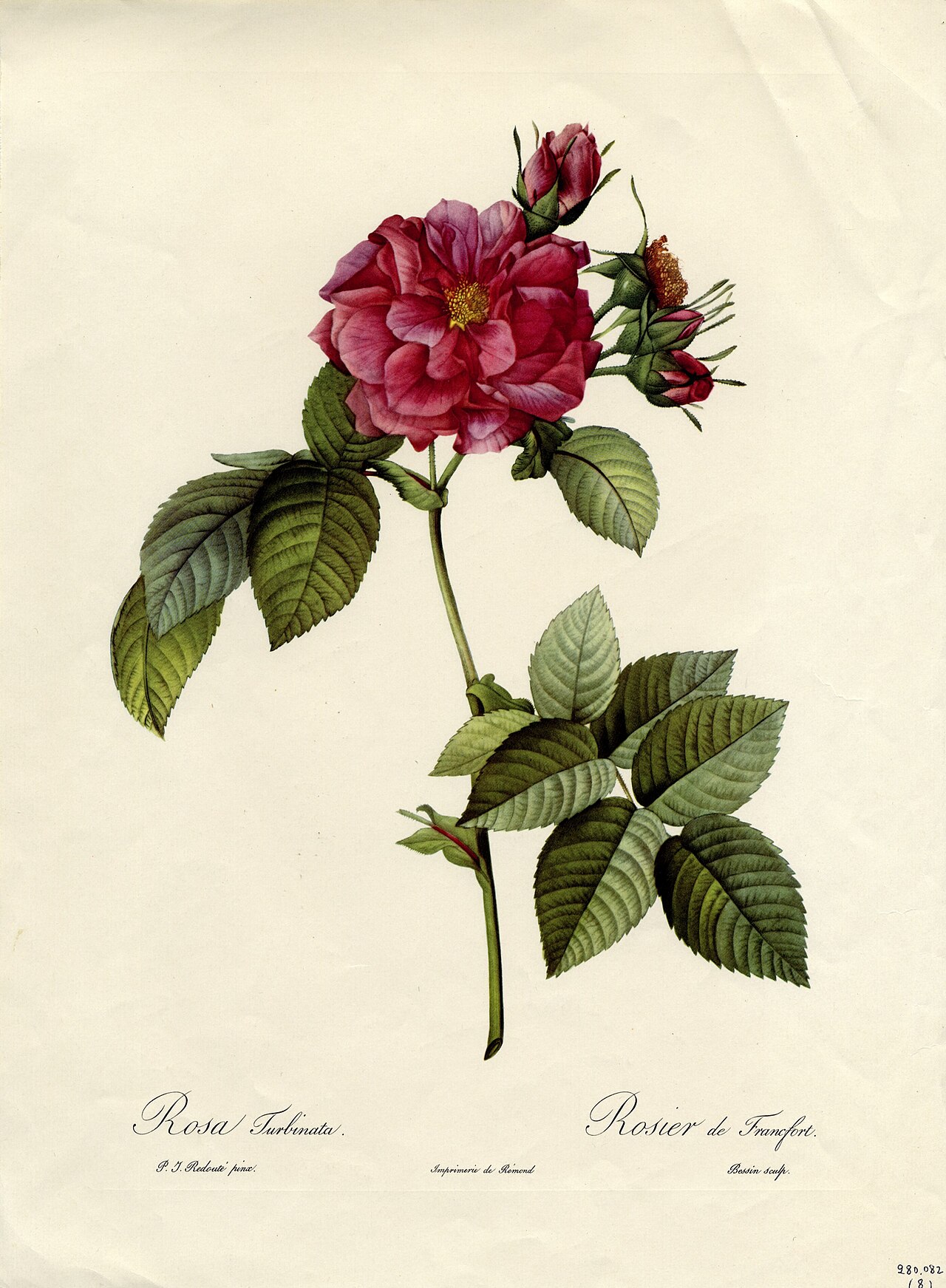
A rose, seen anew.
Botany’s quiet meeting of science and beauty.
Read the storyBotanical plates, flora and fauna. Between fieldwork, the glasshouse and the carefully arranged drawers of a collector.
Botany’s quiet meeting of science and beauty.
Read the story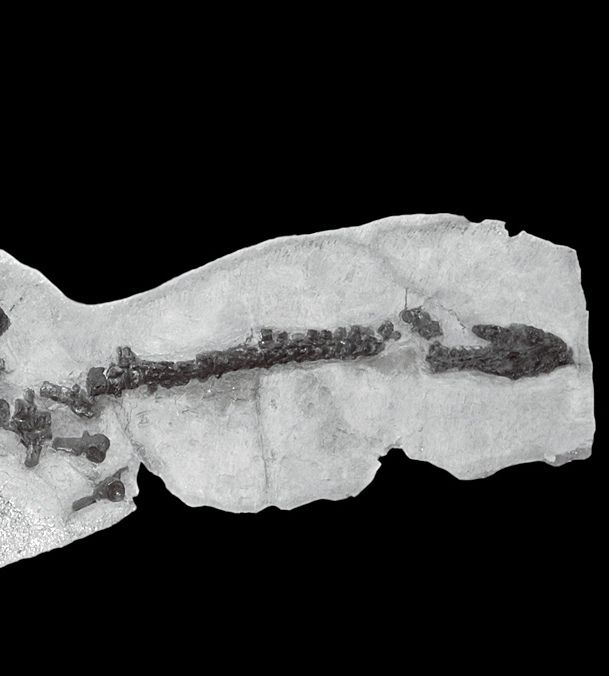
Mary Anning had a strange skeleton to sell and two wealthy customers to consider. Her letter from Lyme Regis reveals the judgement behind a price, before the fossil became a scientific sensation and a museum specimen.
Read the story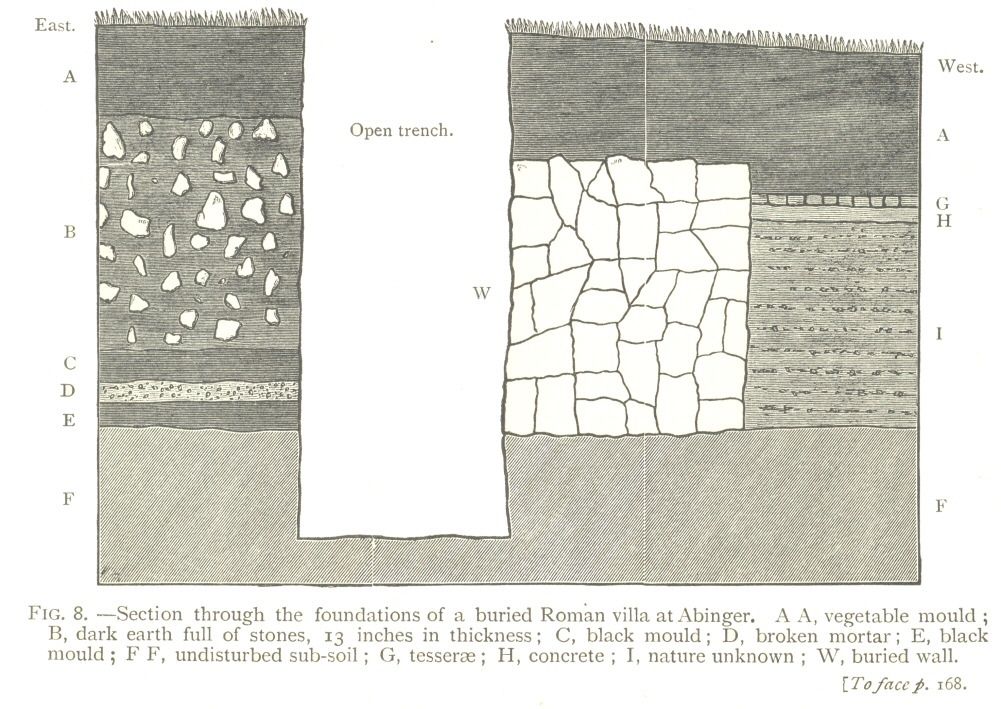
Fresh earth kept appearing on a cleared Roman floor. Charles Darwin used years of experiments and a network of observers to explain how worms could gradually bury traces of human work.
Read the story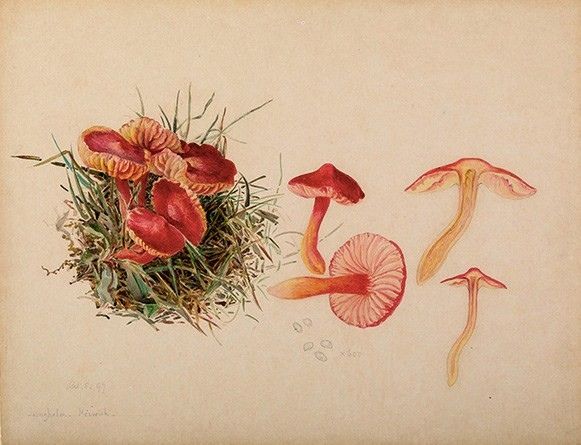
Beatrix Potter exchanged paintings for parcels of fungi. The specimens led her from accurate portraits to a harder undertaking: growing spores, persuading sceptics and producing a slide that would perform when required.
Read the story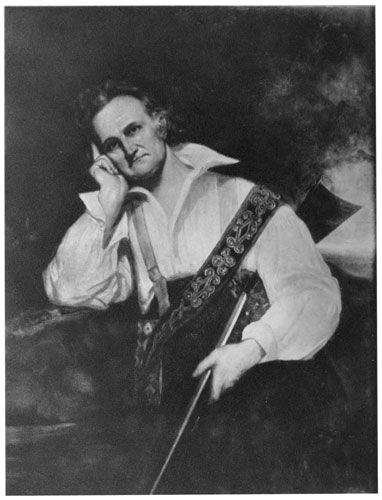
John James Audubon sent his great white heron to London with instructions about everything from the sky to the scales on its feet. Robert Havell had to turn the drawing into a copper plate—and then into hundreds of pictures coloured by hand.
Read the story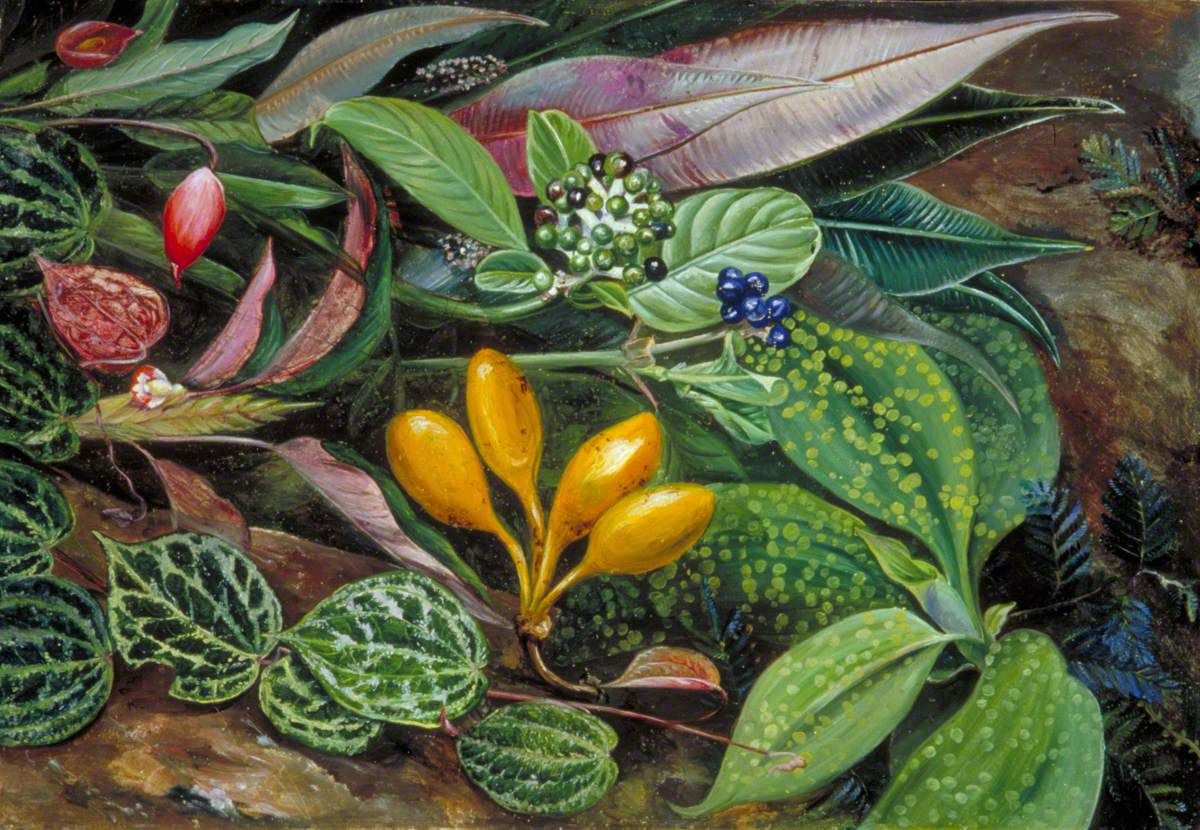
Marianne North went to Sarawak to paint tropical plants in their surroundings. Some she found in the forest; others arrived at her verandah. Behind the pictures were boatmen, hosts, collectors and a remarkable amount of carrying.
Read the story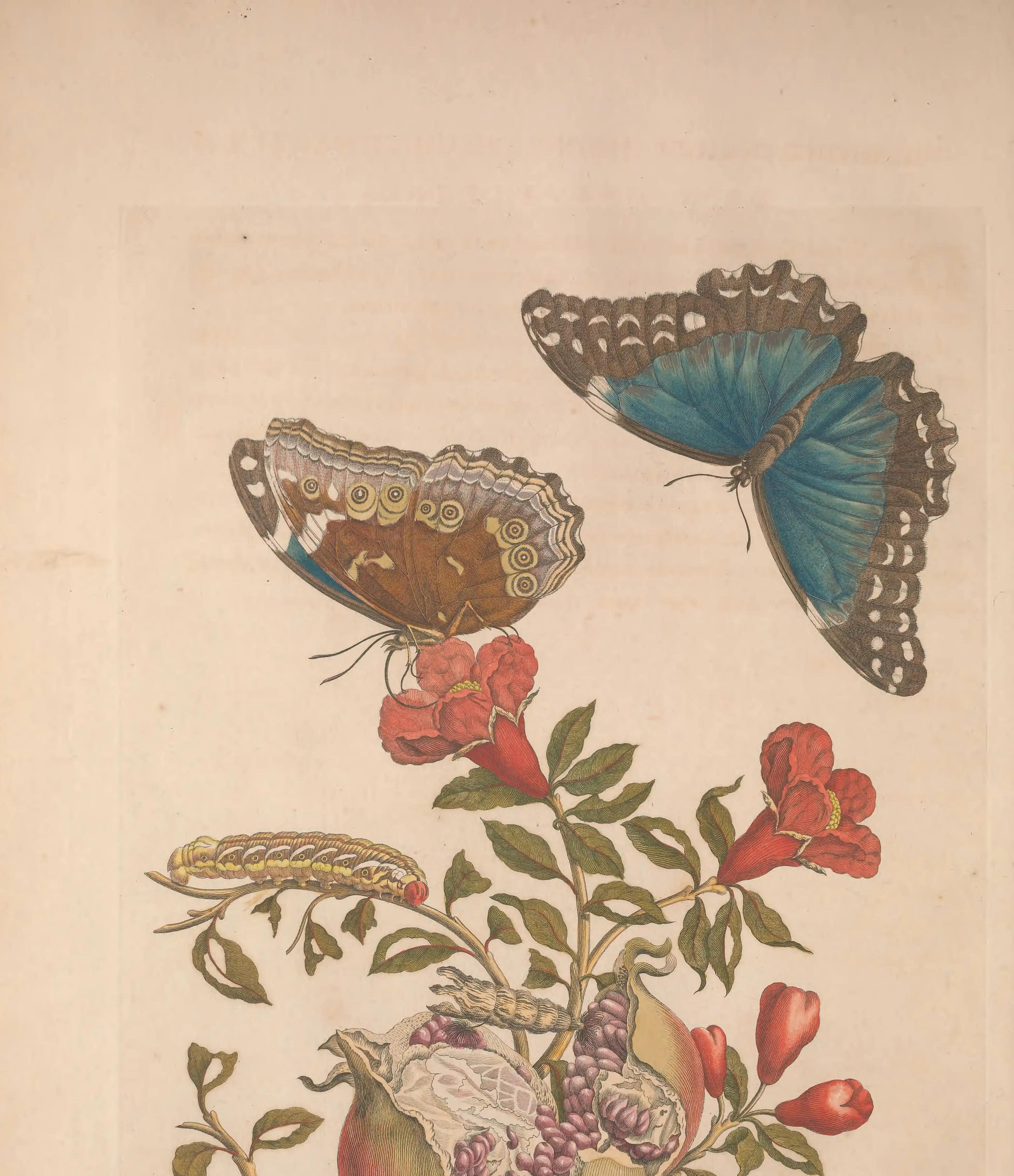
Maria Sibylla Merian’s pictures of Suriname began with the difficult business of keeping small animals alive. The leaves could fail, the wrong creature could emerge, and a beautiful plate could conceal a broken connection.
Read the story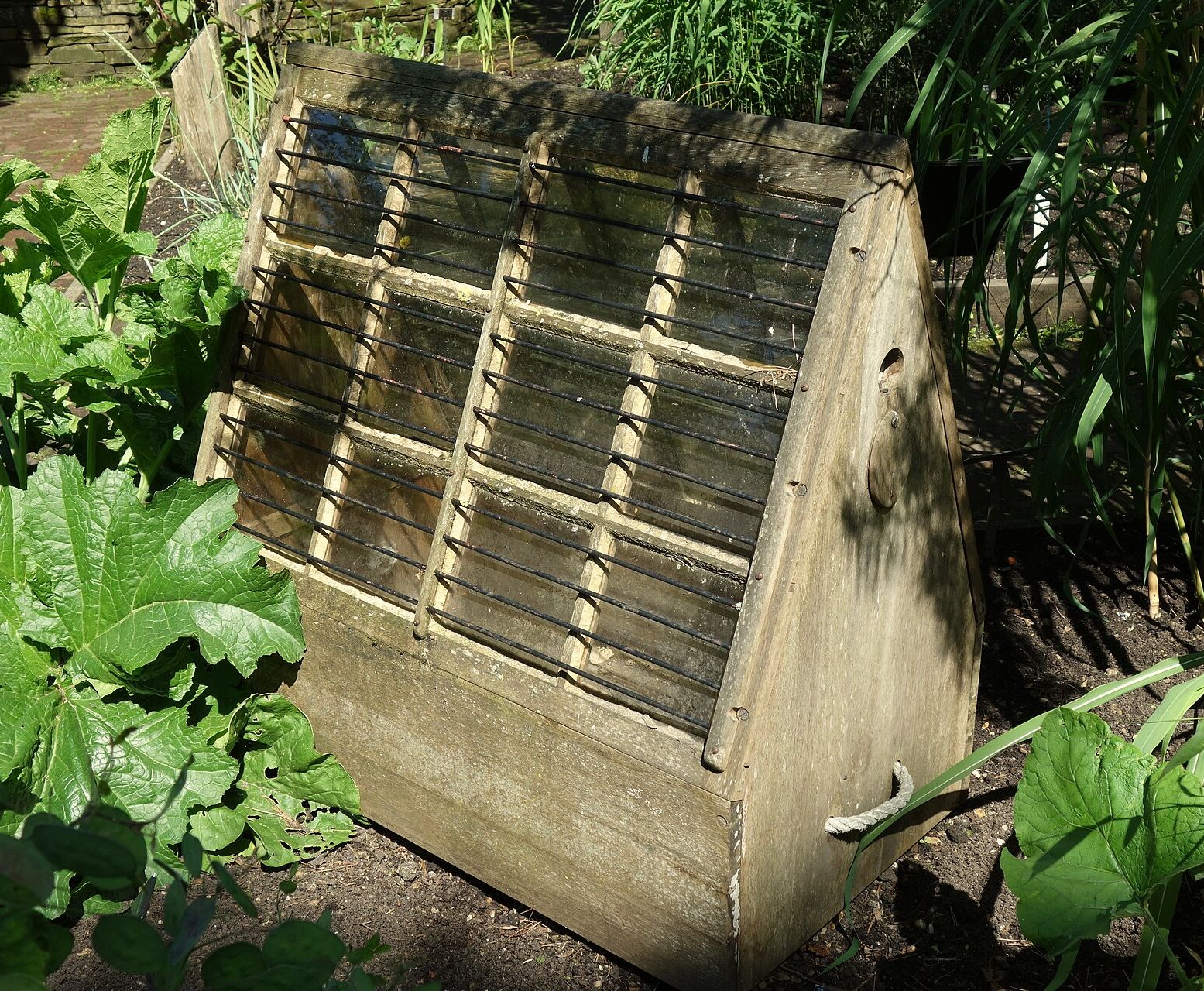
In 1833, two glass cases of plants set out for Australia. Their success depended on a good captain, careful packing and surprisingly little water. The Wardian case would carry valuable crops around the world, along with passengers nobody had ordered.
Read the story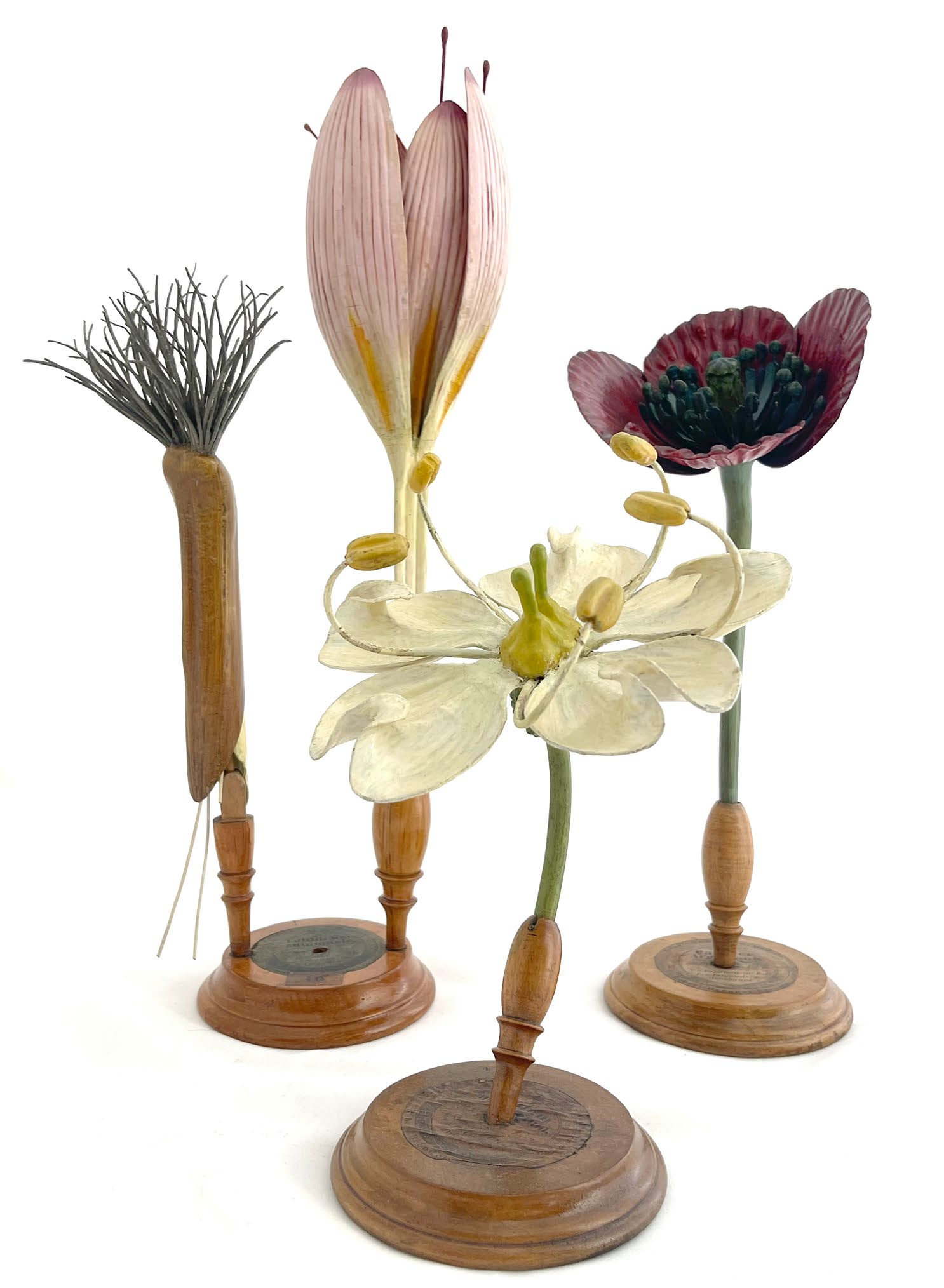
Botany lectures needed flowers in an order the seasons would not supply. From two overcrowded cupboards in Breslau grew the Brendel trade in enlarged teaching plants, including a meadow saffron whose roots needed correcting.
Read the story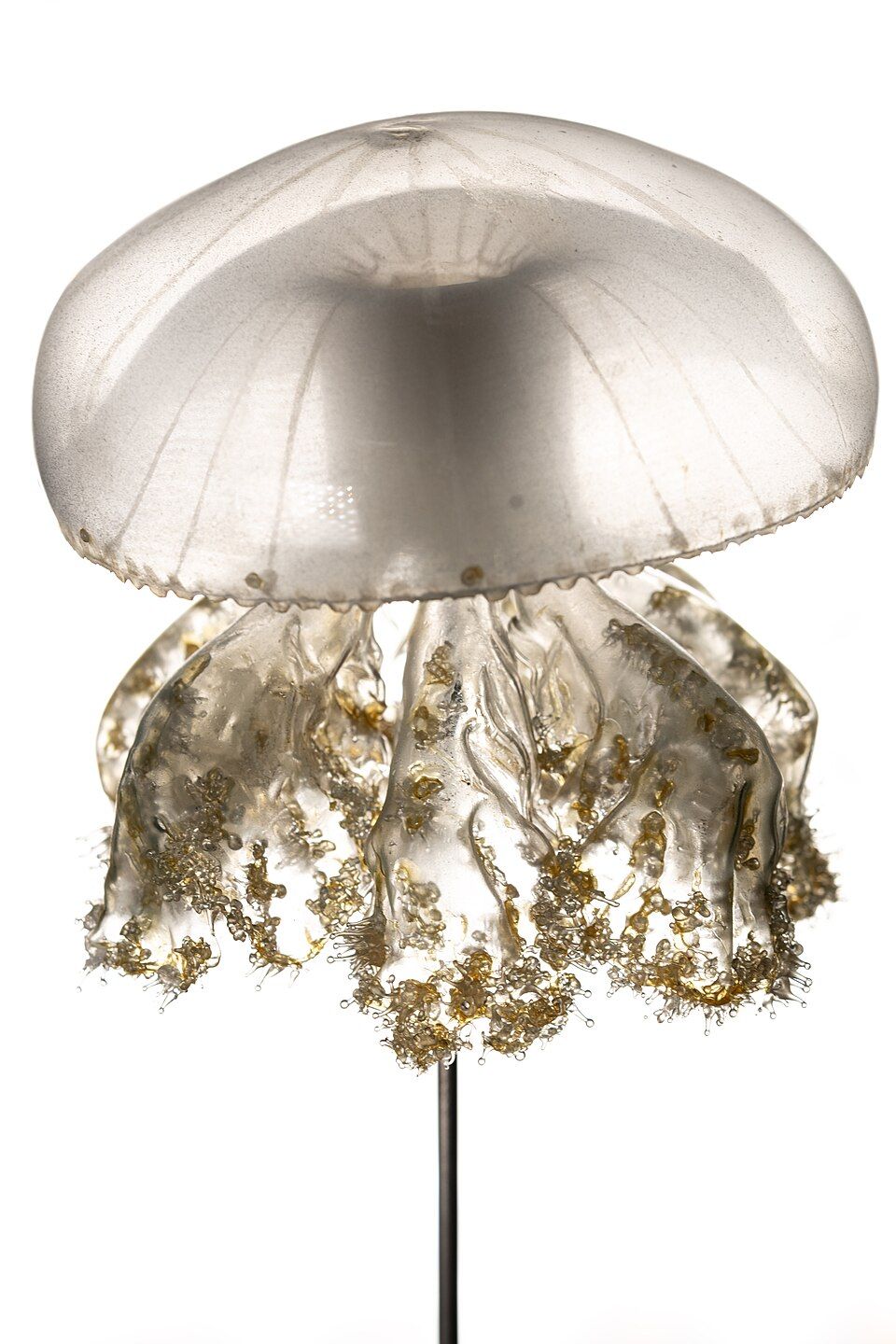
In 1883, the British Museum complained about six damaged glass animals. Leopold Blaschka blamed the unpacking. His Dresden workshop had made marine life legible for a classroom; getting it there intact was another matter.
Read the story