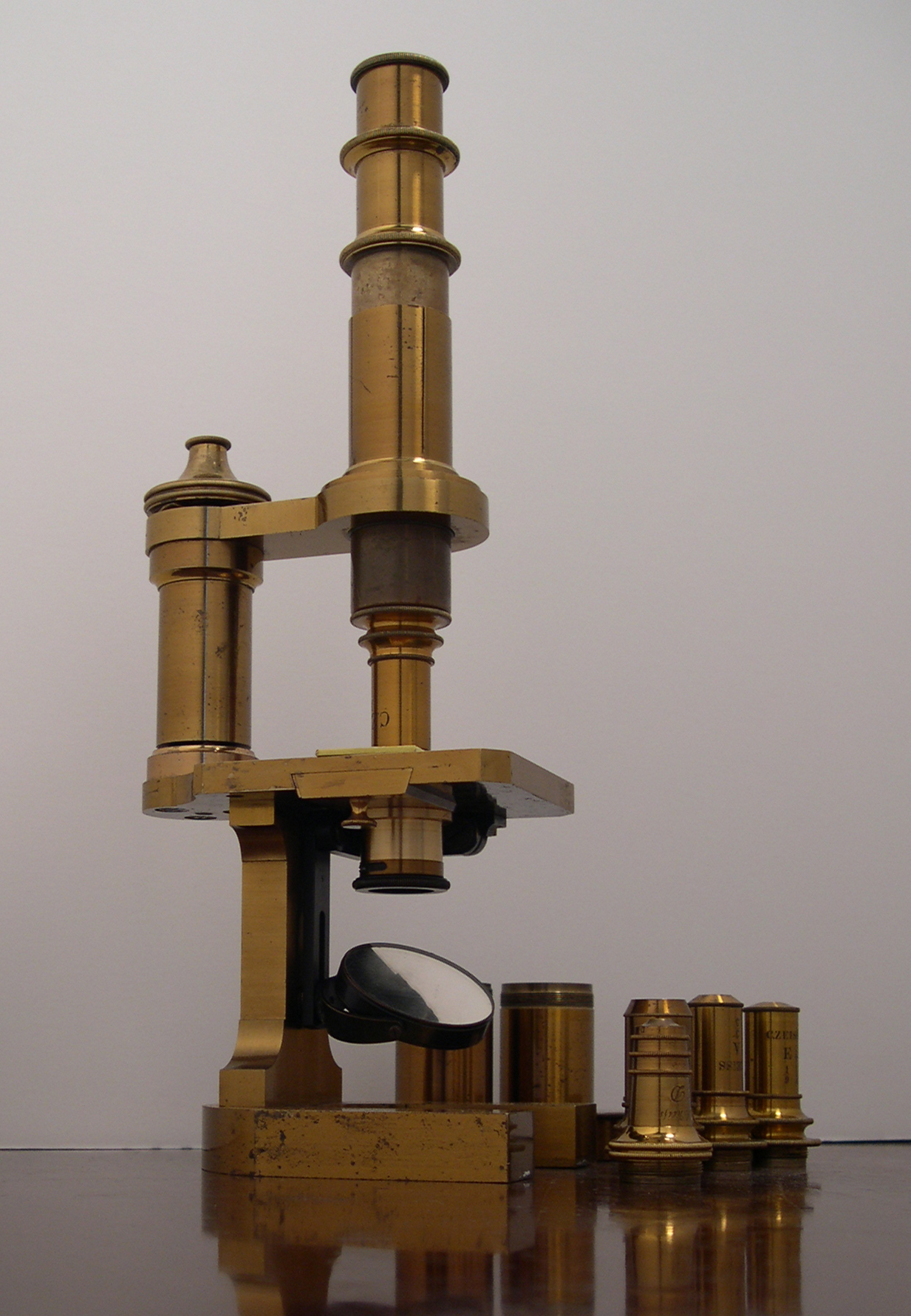
A whole world in a drop.
Carl Zeiss, Ernst Abbe and the ideas behind a brass microscope.
Read the story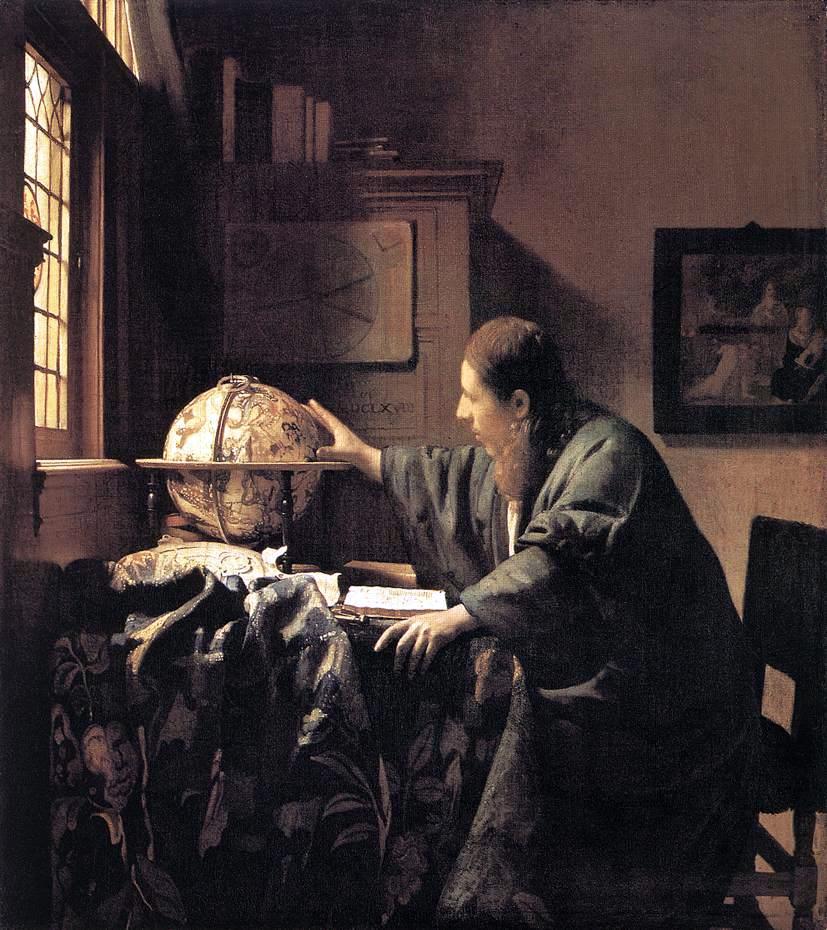
Optics, astronomy and mechanical marvels of the study. From Renaissance questions to the precision of the nineteenth century.
Carl Zeiss, Ernst Abbe and the ideas behind a brass microscope.
Read the story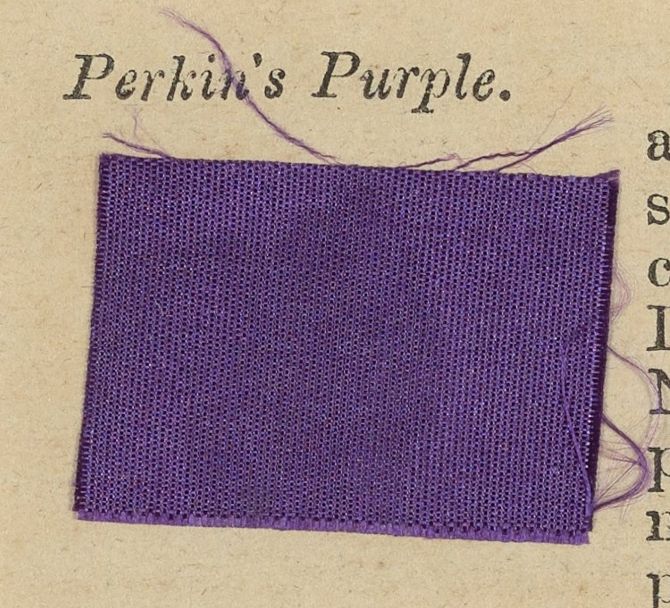
William Henry Perkin’s purple looked promising on silk. Turning it into something a dyer would buy required a factory, new ways of treating cloth and an answer to a small but expensive condition.
Read the story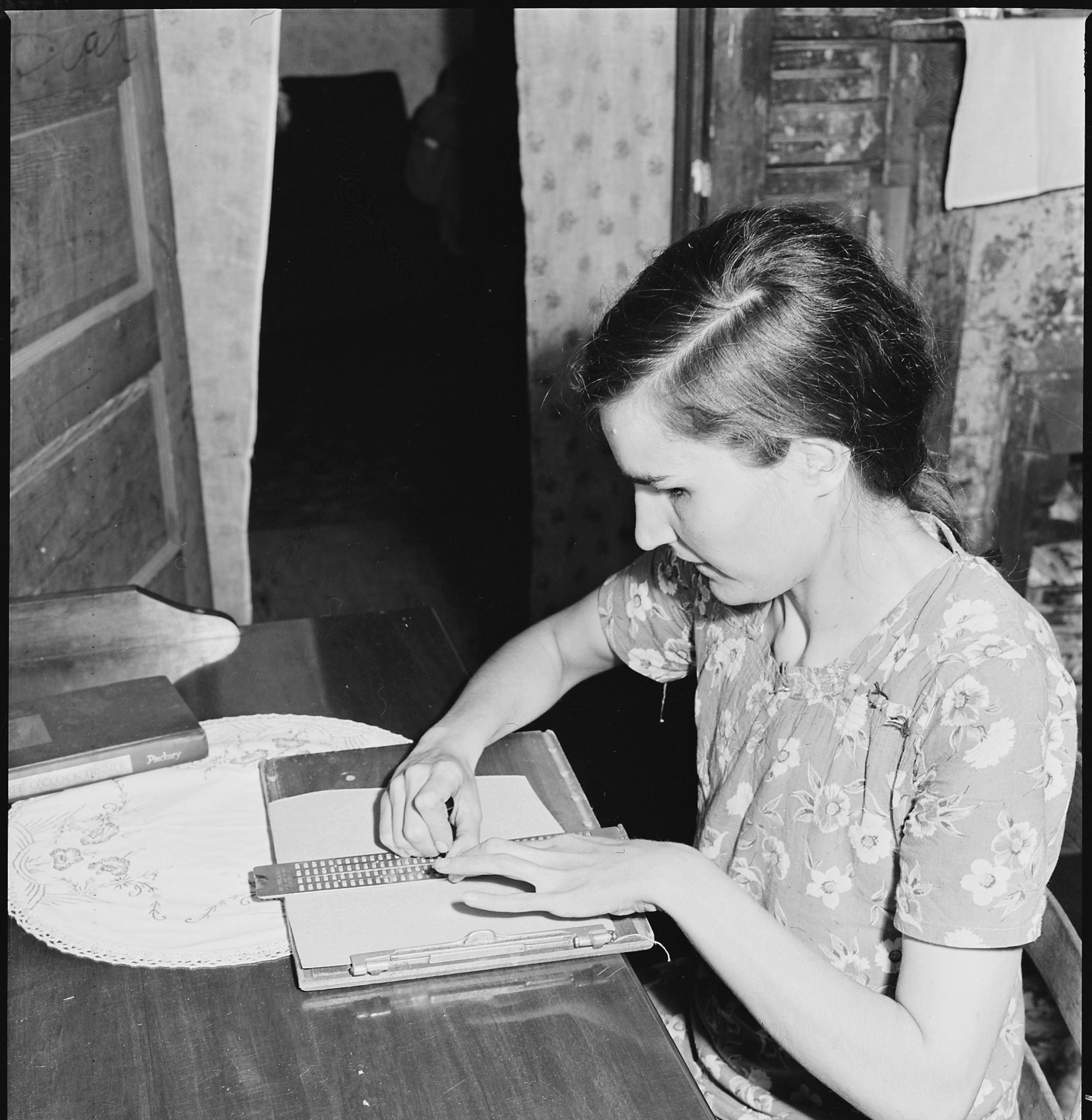
Louis Braille's six dots let a reader become a writer with paper, a pointed tool and a small guide. His early manuals explain the work behind that freedom: reversed characters, durable marks and a system refined by the people using it.
Read the story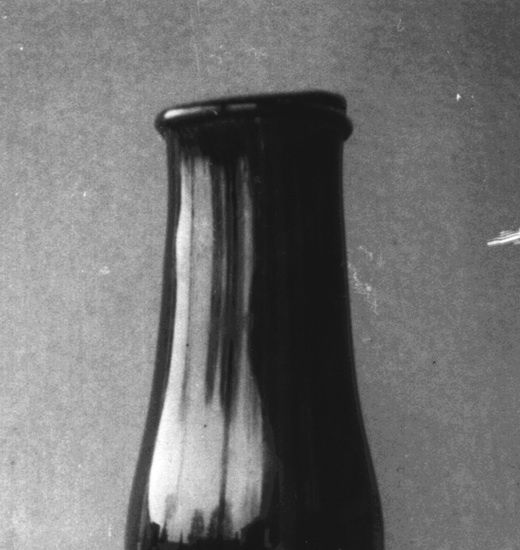
Nicolas Appert’s preserved peas could be mistaken for a fresh crop. Behind that result lay custom bottles, expensive corks and a long campaign to win other people’s trust.
Read the story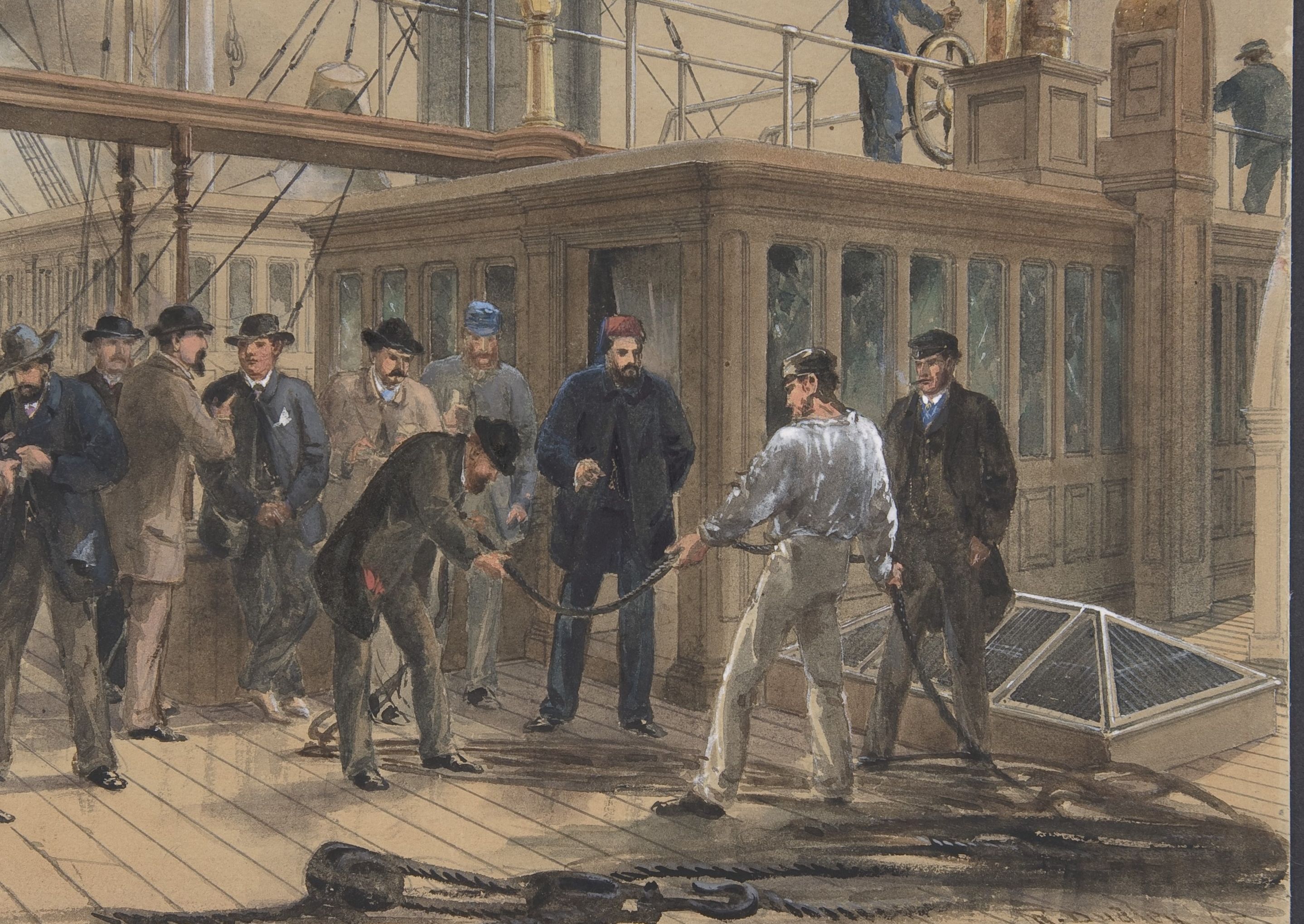
In 1865, a wire driven through an Atlantic telegraph cable put the men aboard Great Eastern under suspicion. The search for its cause led back through the cable's carefully assembled layers.
Read the story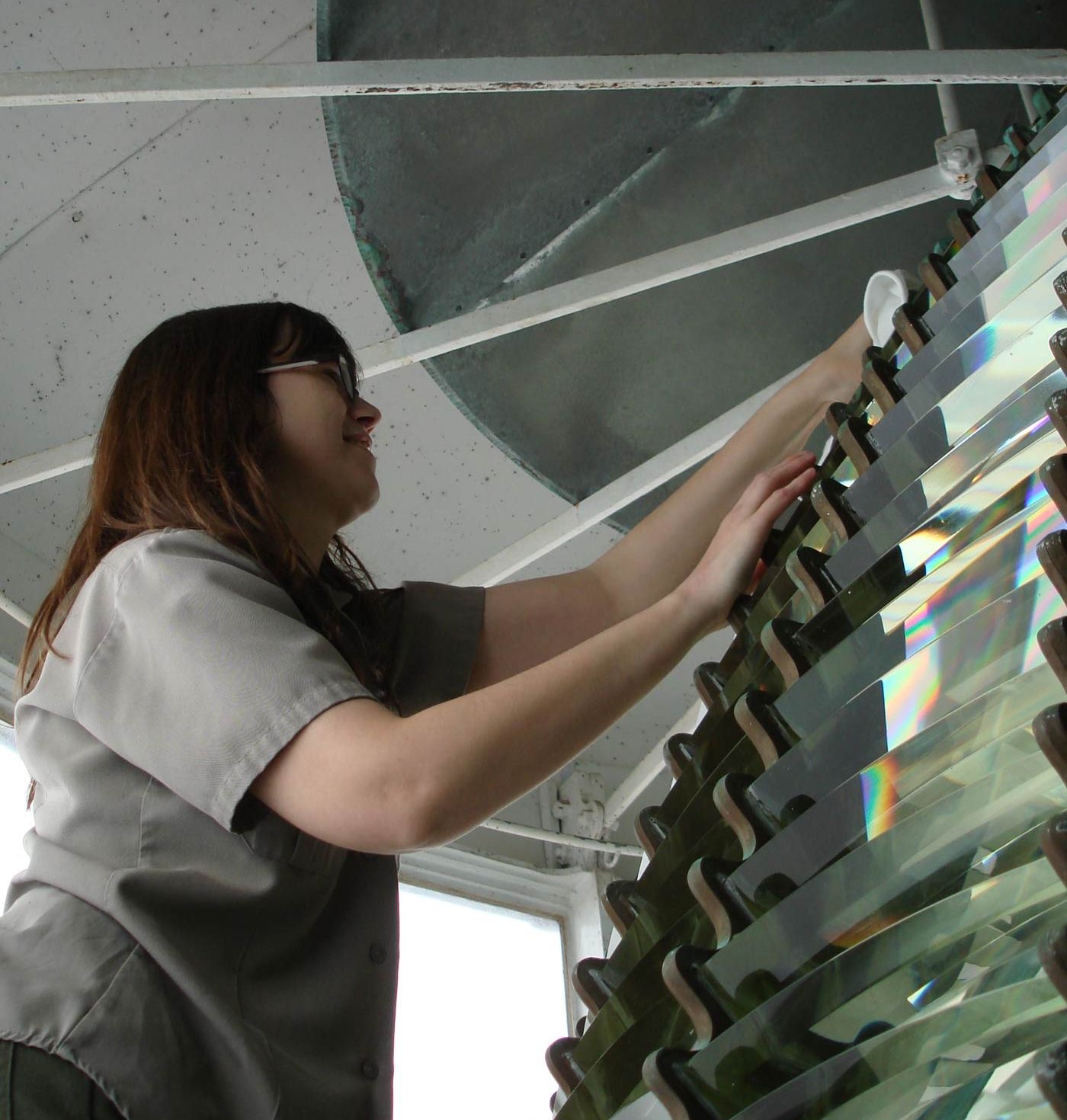
The Fresnel lens at Point Reyes sent a white flash across the Pacific every five seconds. Keeping that signal in order meant tending a lamp, winding a clock and repairing a station perched below a California headland.
Read the story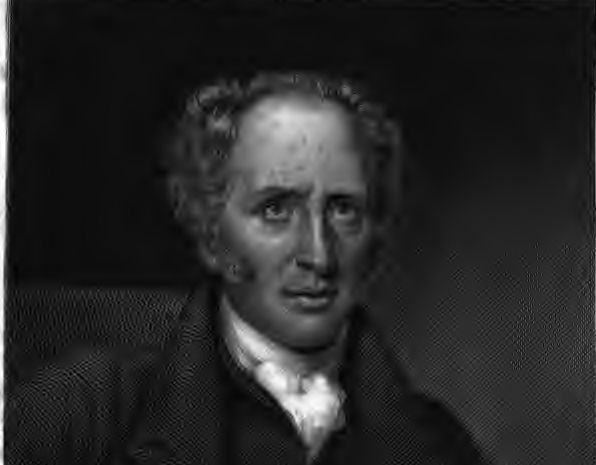
In 1816, John Hodgson sent Humphry Davy news of the safety lamp underground. The miners had objections, the maker had alterations, and some of the lamps were already back for repair.
Read the story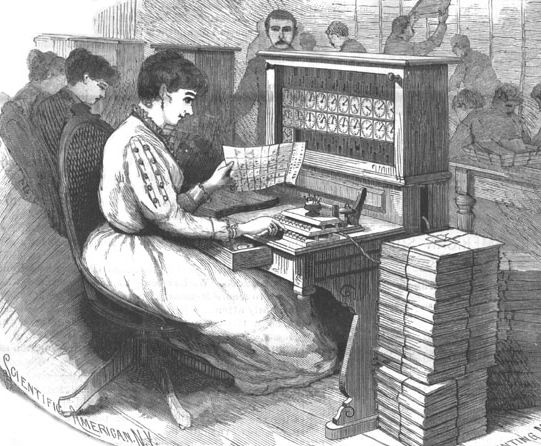
Herman Hollerith’s electrical machines helped process the 1890 United States census. At every press, a clerk still had to turn a punched card into a number—and decide what to do when the bell stayed silent.
Read the story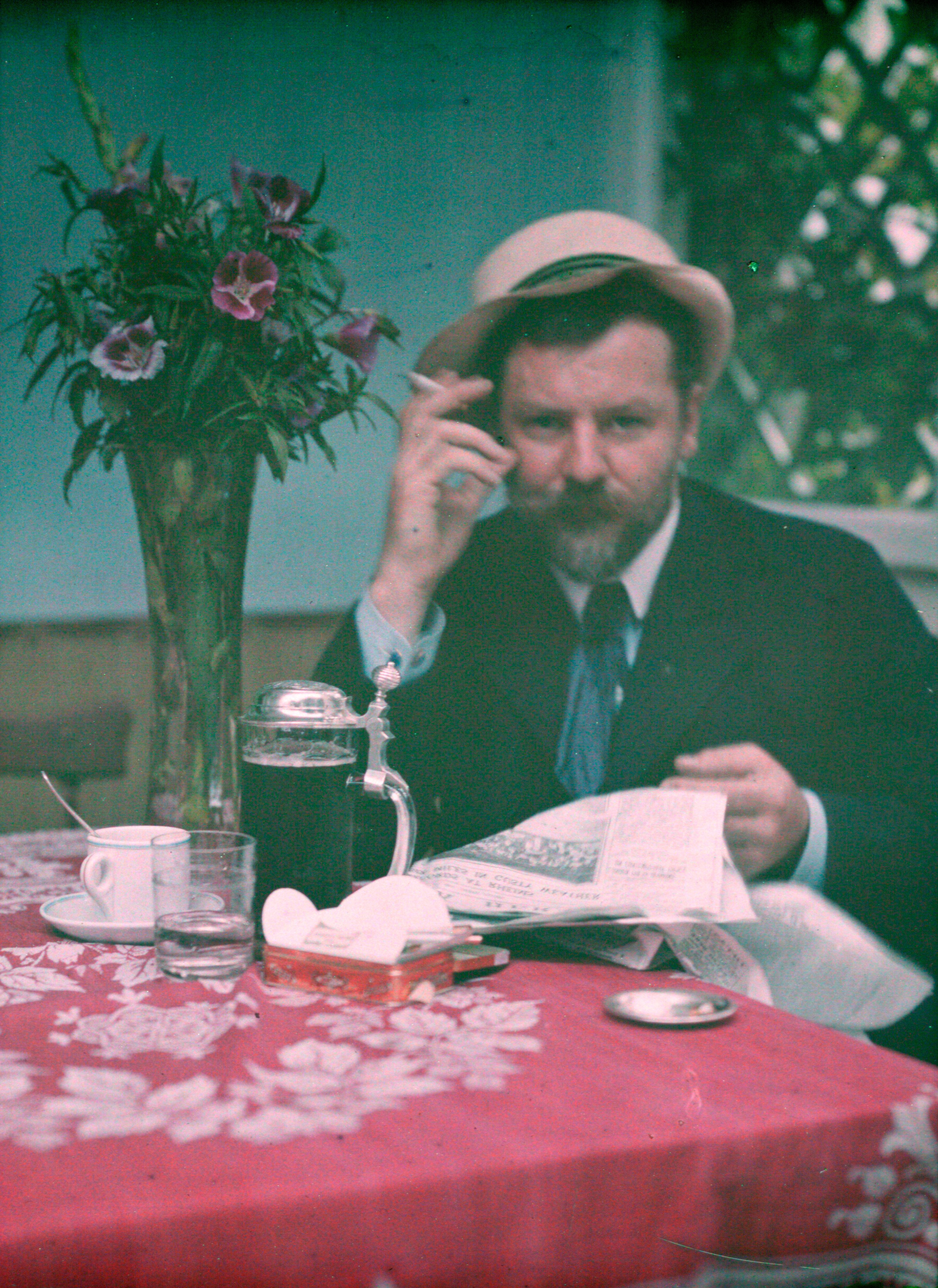
The Lumière Autochrome put colour photography inside a factory-made glass plate. Alfred Stieglitz's early experiments show how much still depended on the photographer, and on the temperature of the developing baths.
Read the story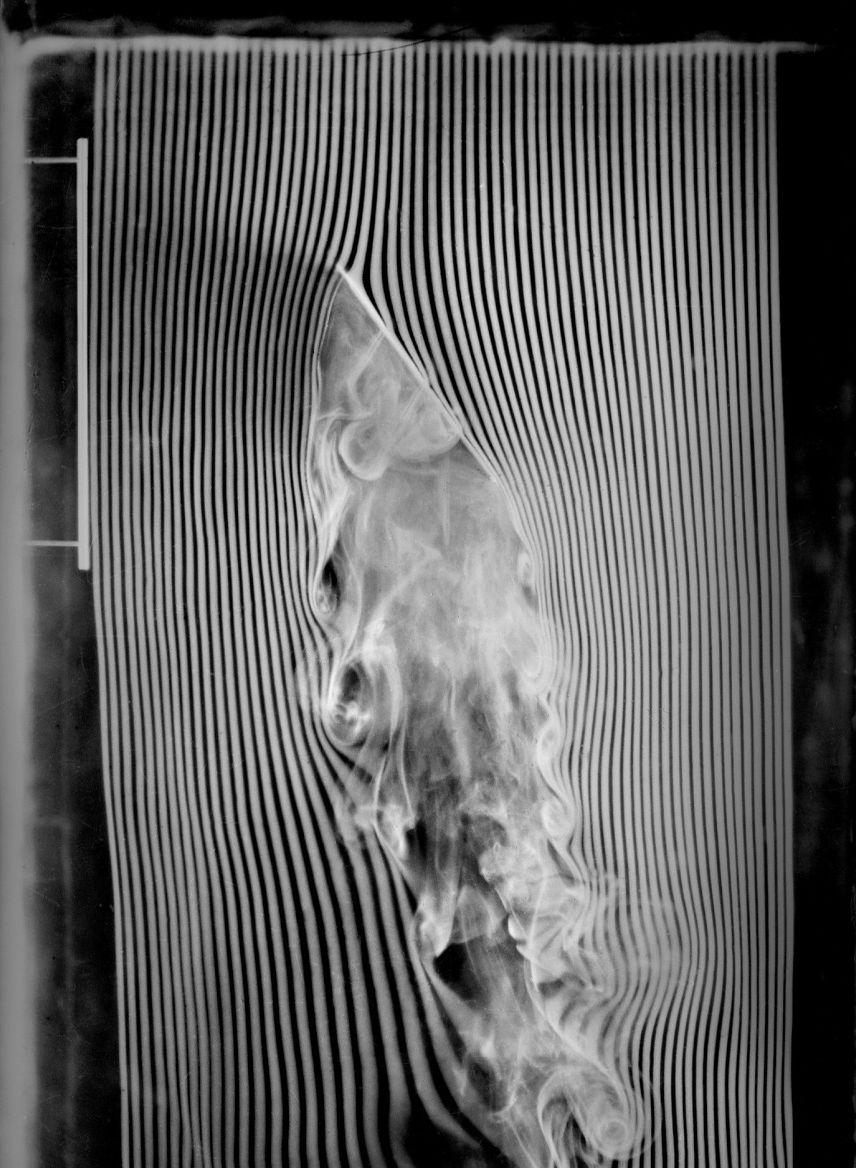
Étienne-Jules Marey filled a glass-fronted box with threads of smoke to study the air around a wing. Making the threads straight was difficult enough. To measure their speed, he had to give the photograph a clock.
Read the story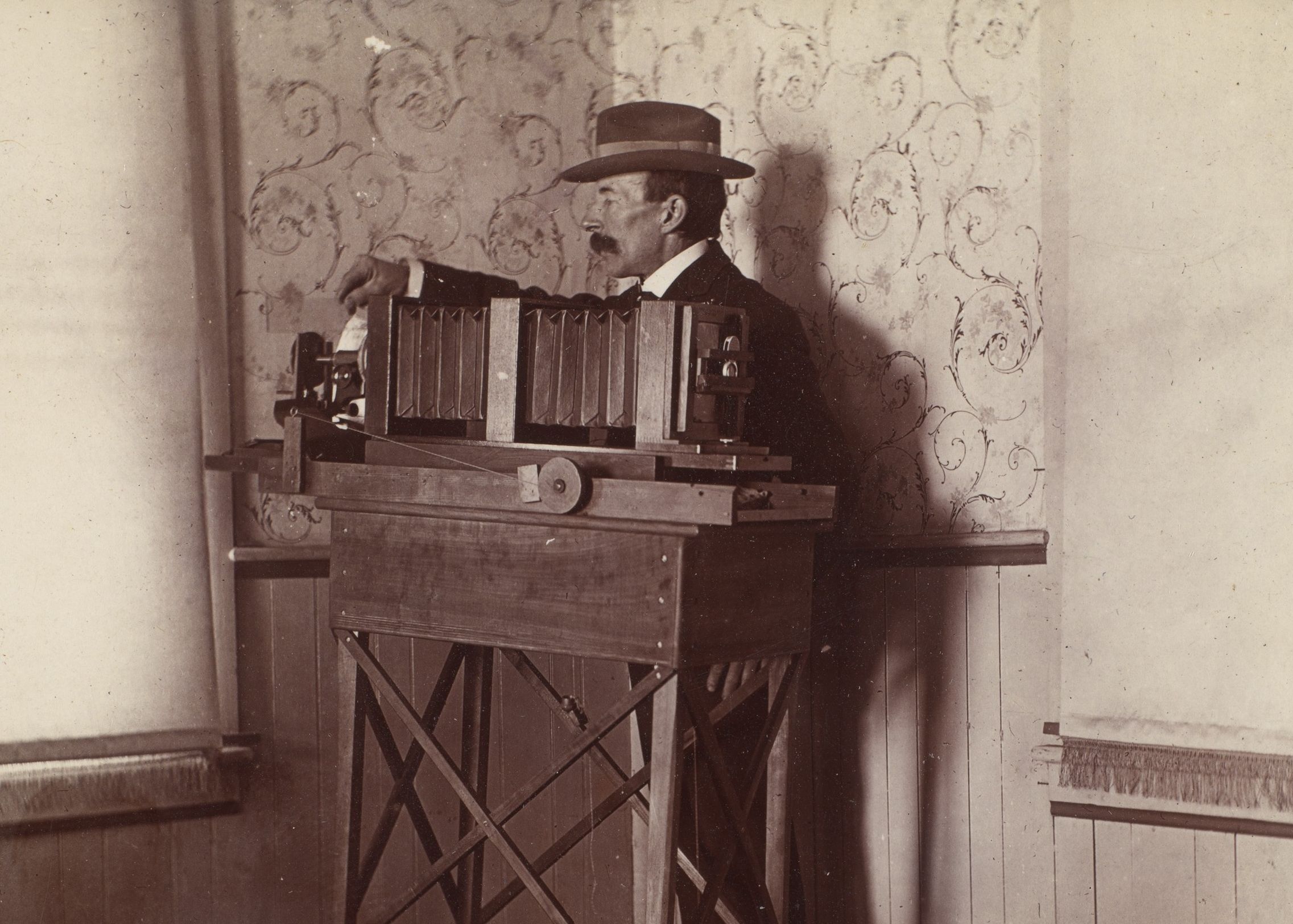
Wilson Bentley photographed snow crystals on his Vermont farm, keeping his room cold and his breath away from the slide. Making the familiar white crystal against black could take longer still: it required a second negative, a microscope and a very sharp blade.
Read the story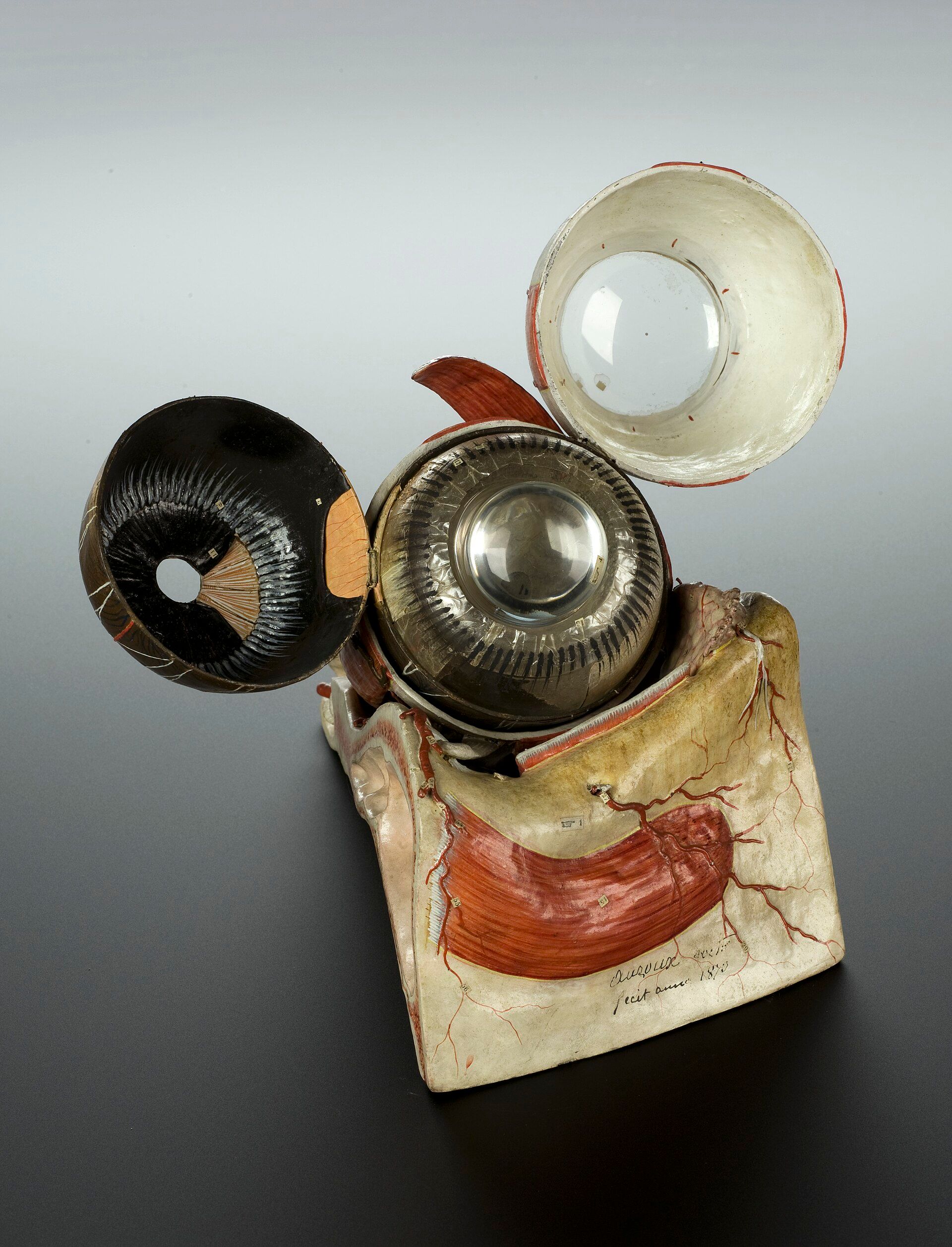
An 1841 catalogue promised a human figure in 129 removable pieces, with reassembly in less than ten minutes. Louis Auzoux’s paper anatomy came with numbered parts, pointing hands and a Normandy workforce trained to know what it was making.
Read the story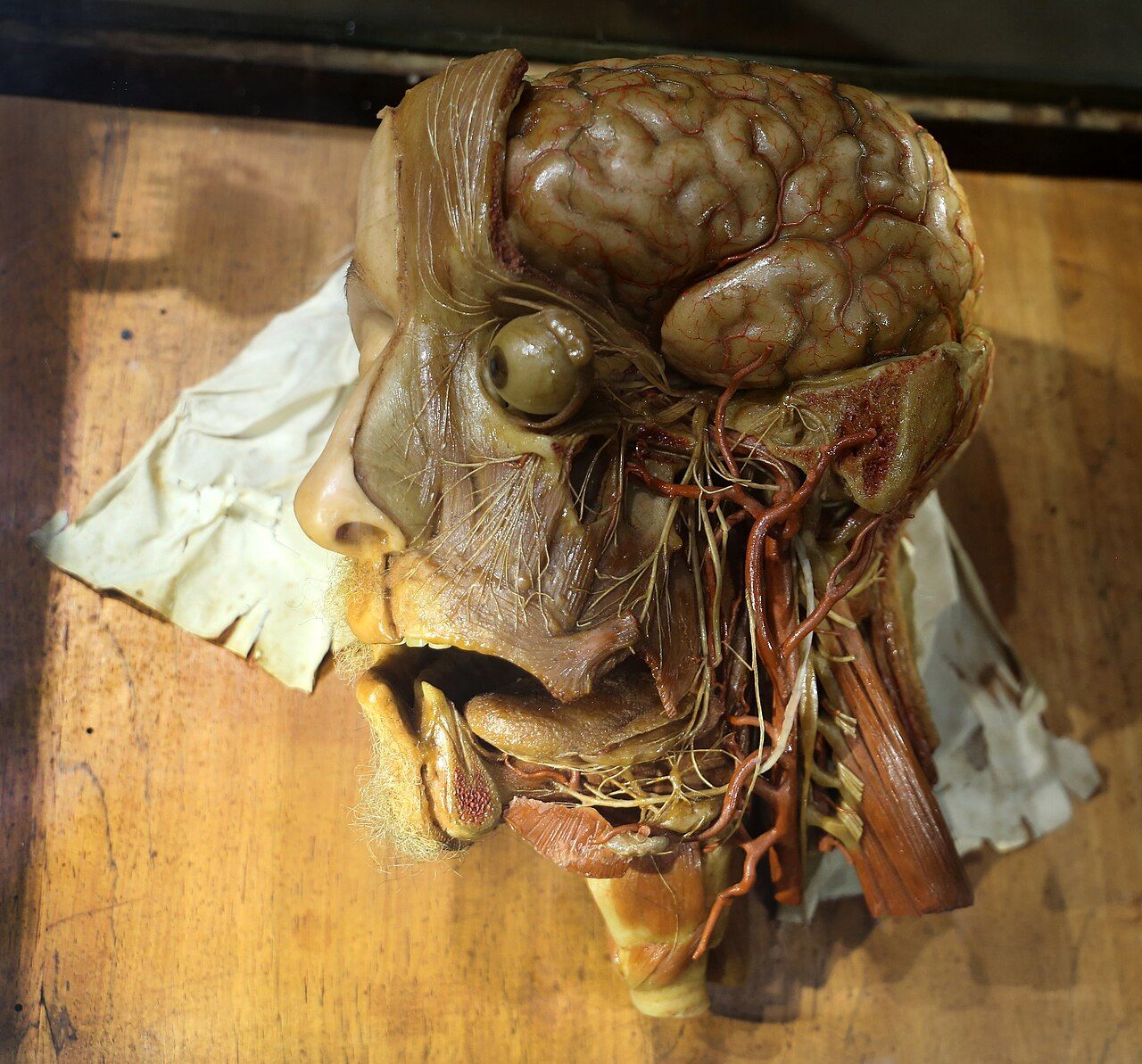
A porter carrying cadavers through Florence could find nowhere to stop with his basket. His deliveries supplied the workshop where Clemente Susini and his collaborators turned short-lived dissections into wax anatomy for students, emperors and museums.
Read the story