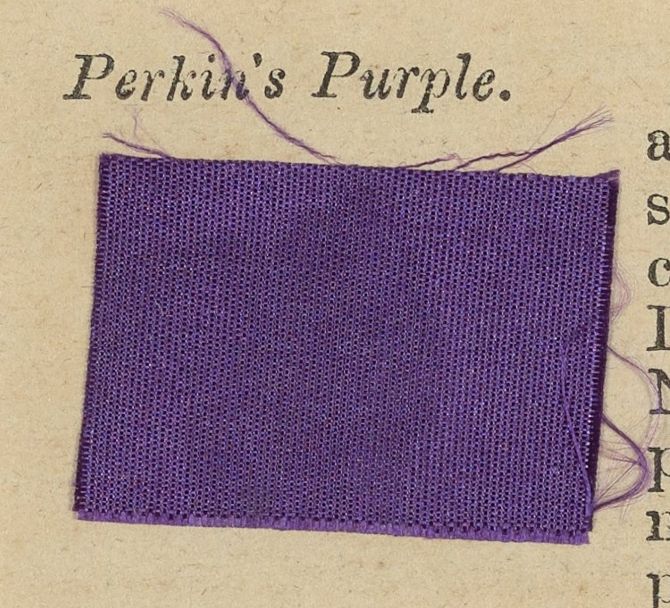
A Dyer’s “If”
William Henry Perkin’s purple looked promising on silk. Turning it into something a dyer would buy required a factory, new ways of treating cloth and an answer to a small but expensive condition.
Les historienPraktiske løsninger, dristige forsøk og ideer som ble virkelighet.
William Henry Perkin’s purple looked promising on silk. Turning it into something a dyer would buy required a factory, new ways of treating cloth and an answer to a small but expensive condition.
Les historien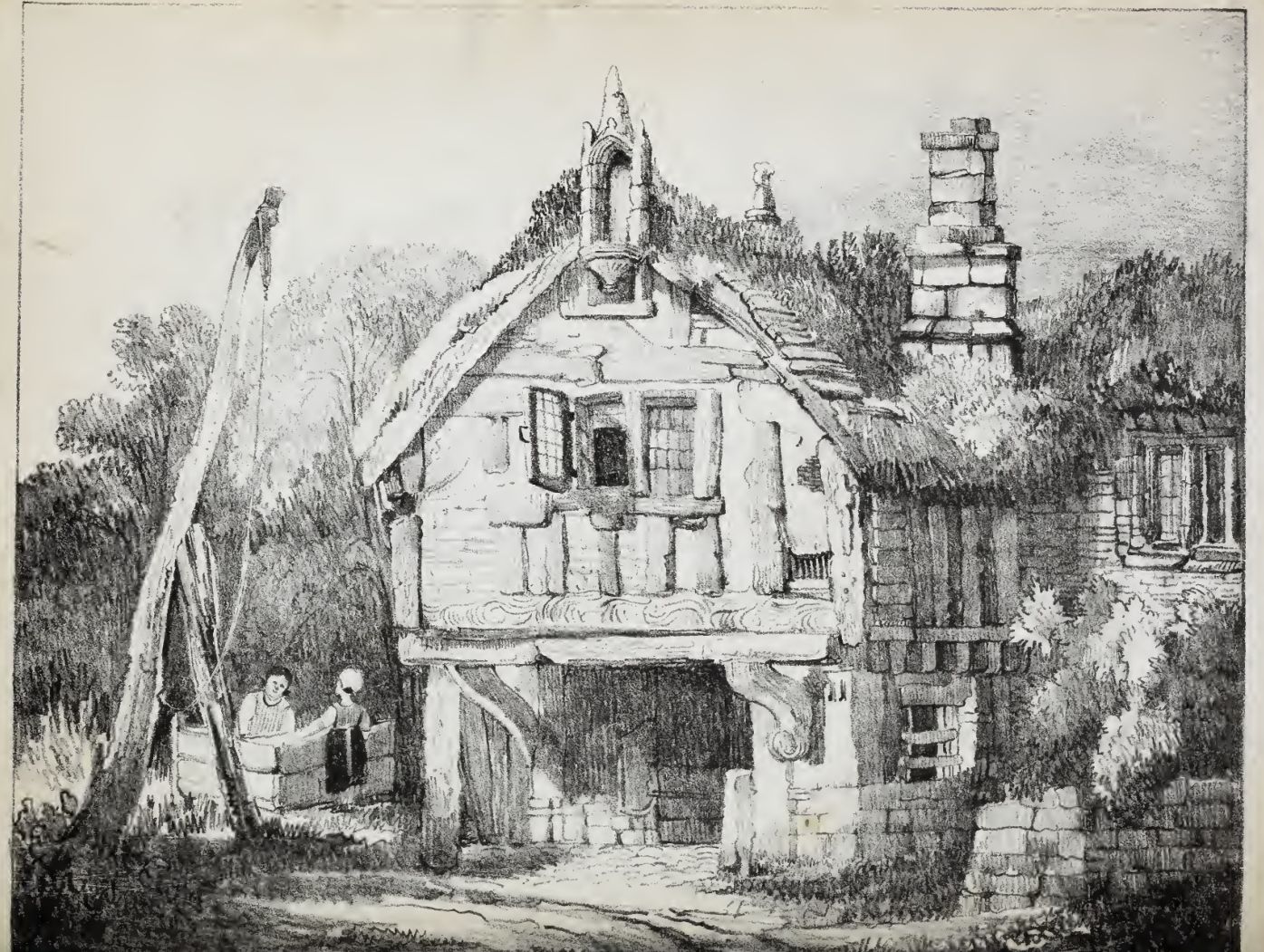
Alois Senefelder wanted to print his own plays. Music brought him a partner and paying work, but a better press began ruining the paper. Making lithography useful took more than a mark on limestone.
Les historien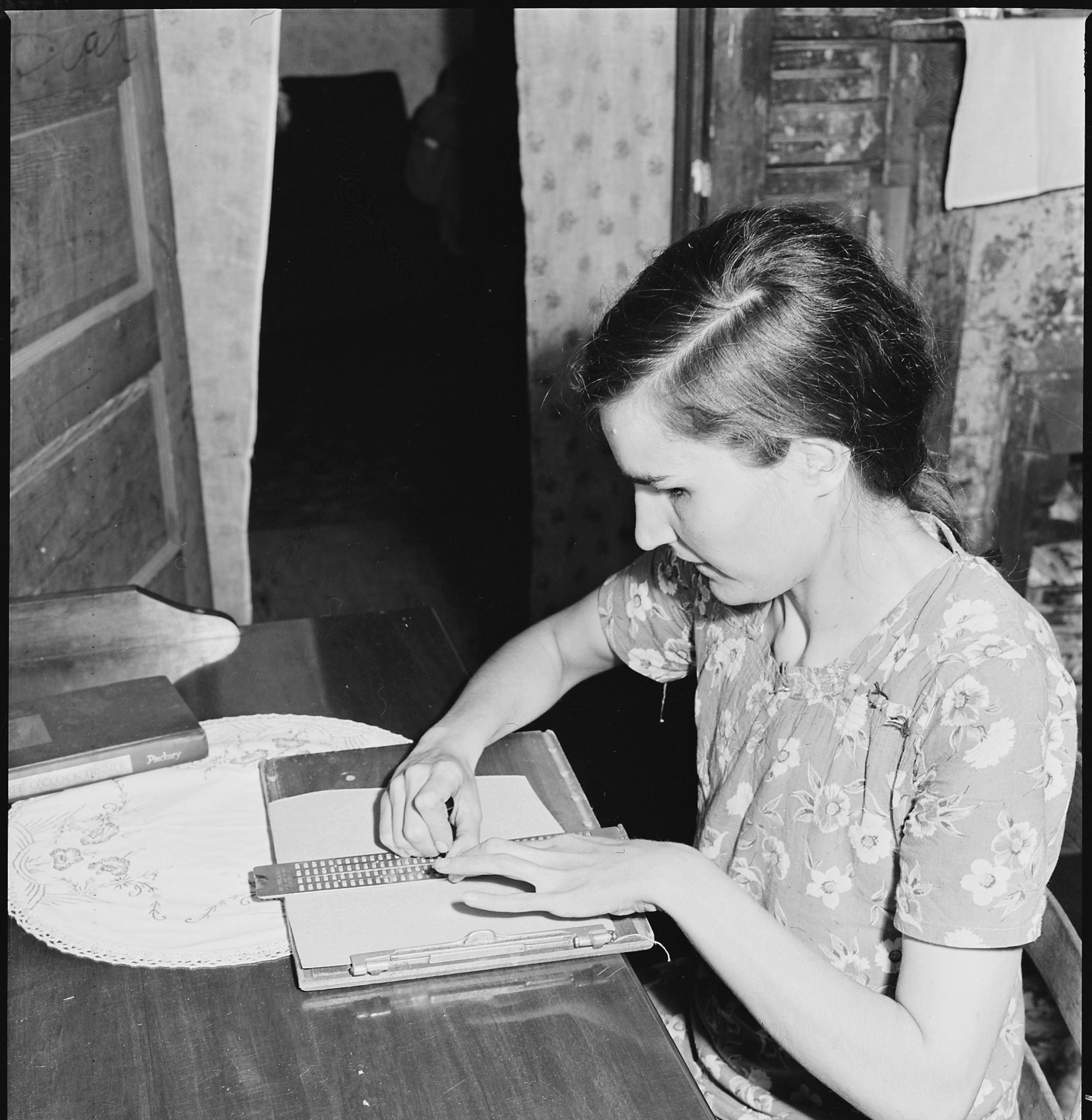
Louis Braille's six dots let a reader become a writer with paper, a pointed tool and a small guide. His early manuals explain the work behind that freedom: reversed characters, durable marks and a system refined by the people using it.
Les historien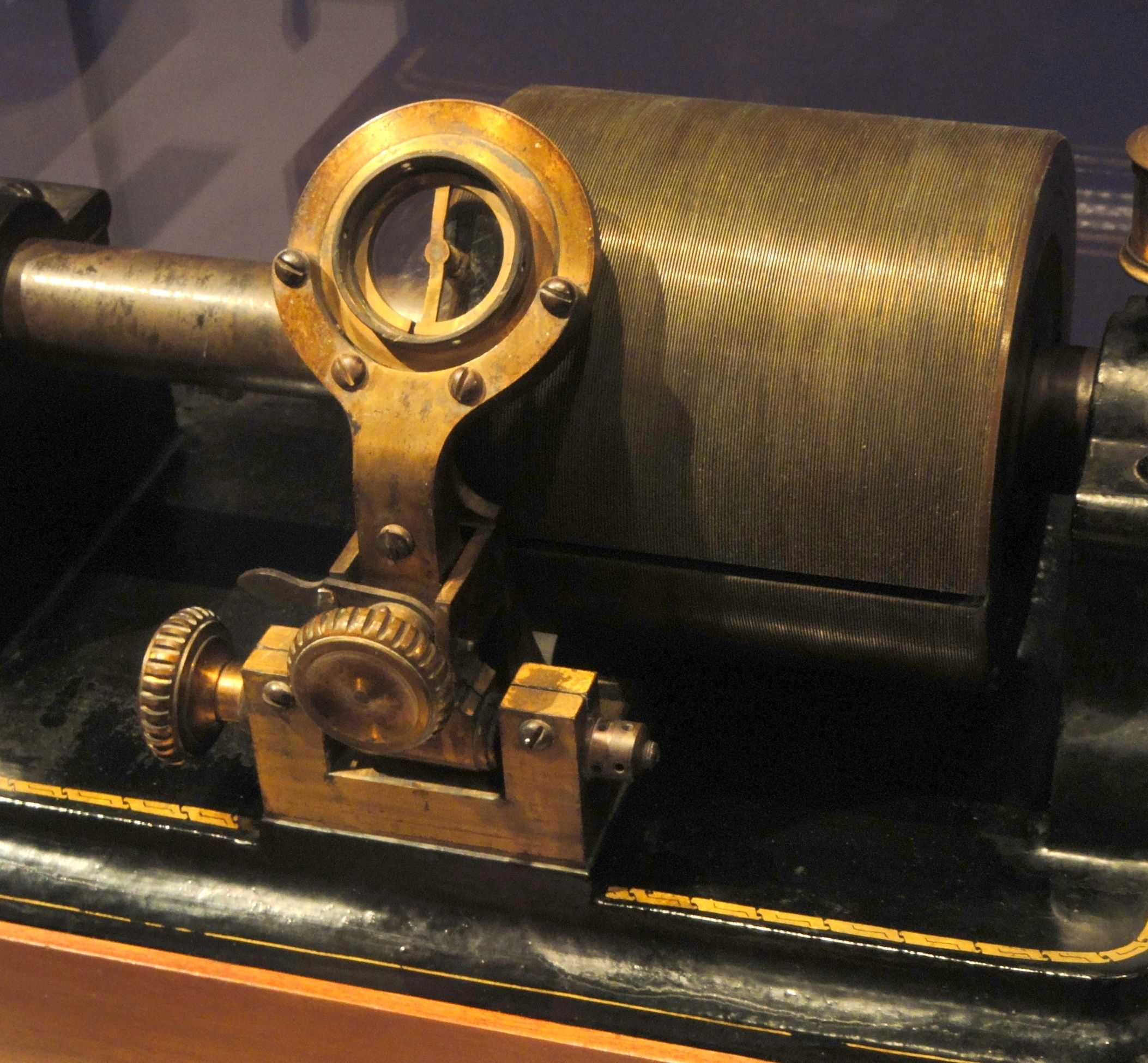
Edison's tinfoil phonograph brought a voice back from a sheet of metal. In 1878, getting it to speak before an audience meant adjusting the machinery, shouting into it and knowing what to do when the first attempt failed.
Les historien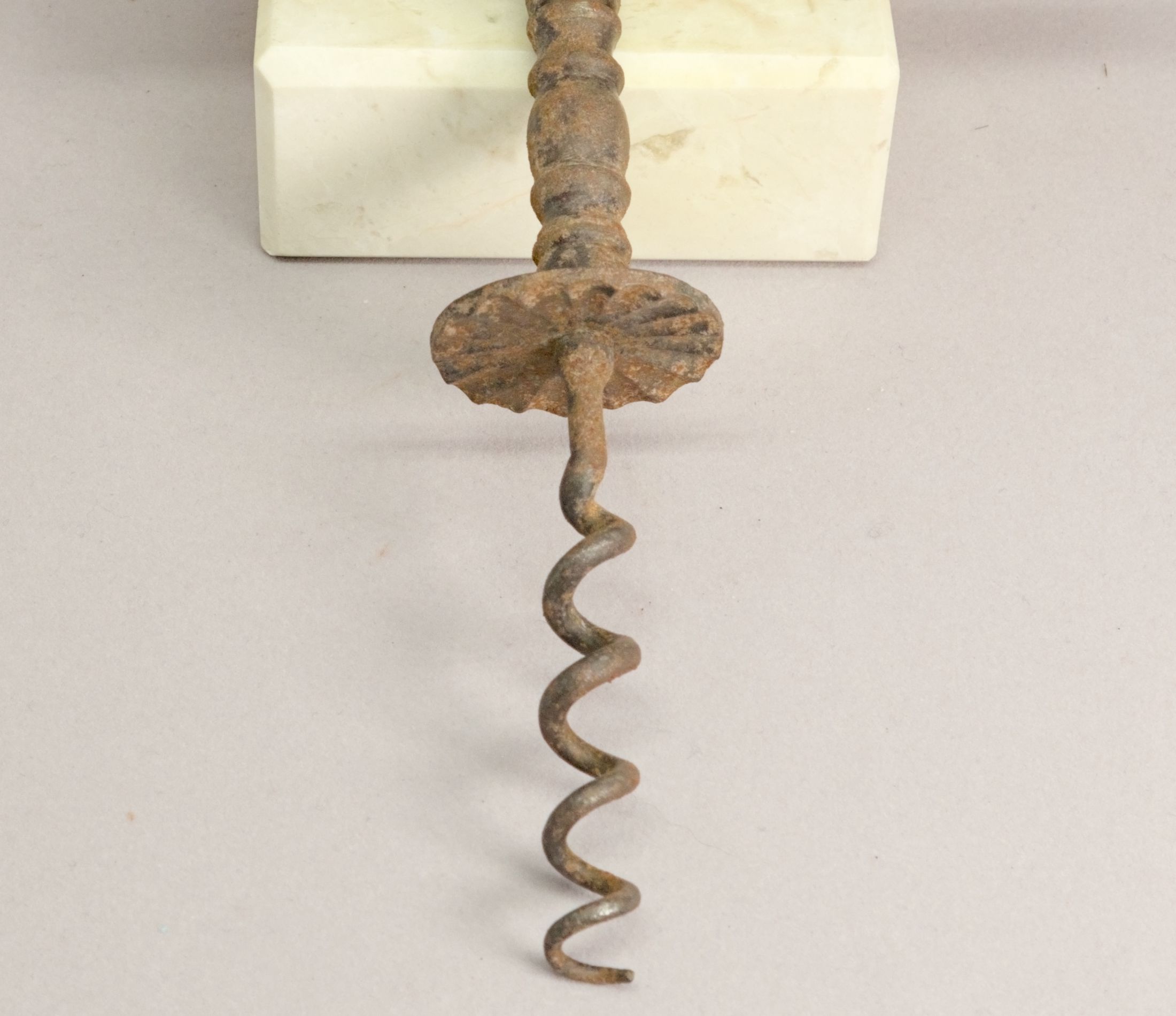
Samuel Henshall gave a familiar corkscrew one extra task before the upward pull. Getting his idea made at Soho brought the clergyman into another difficulty: paying his share.
Les historien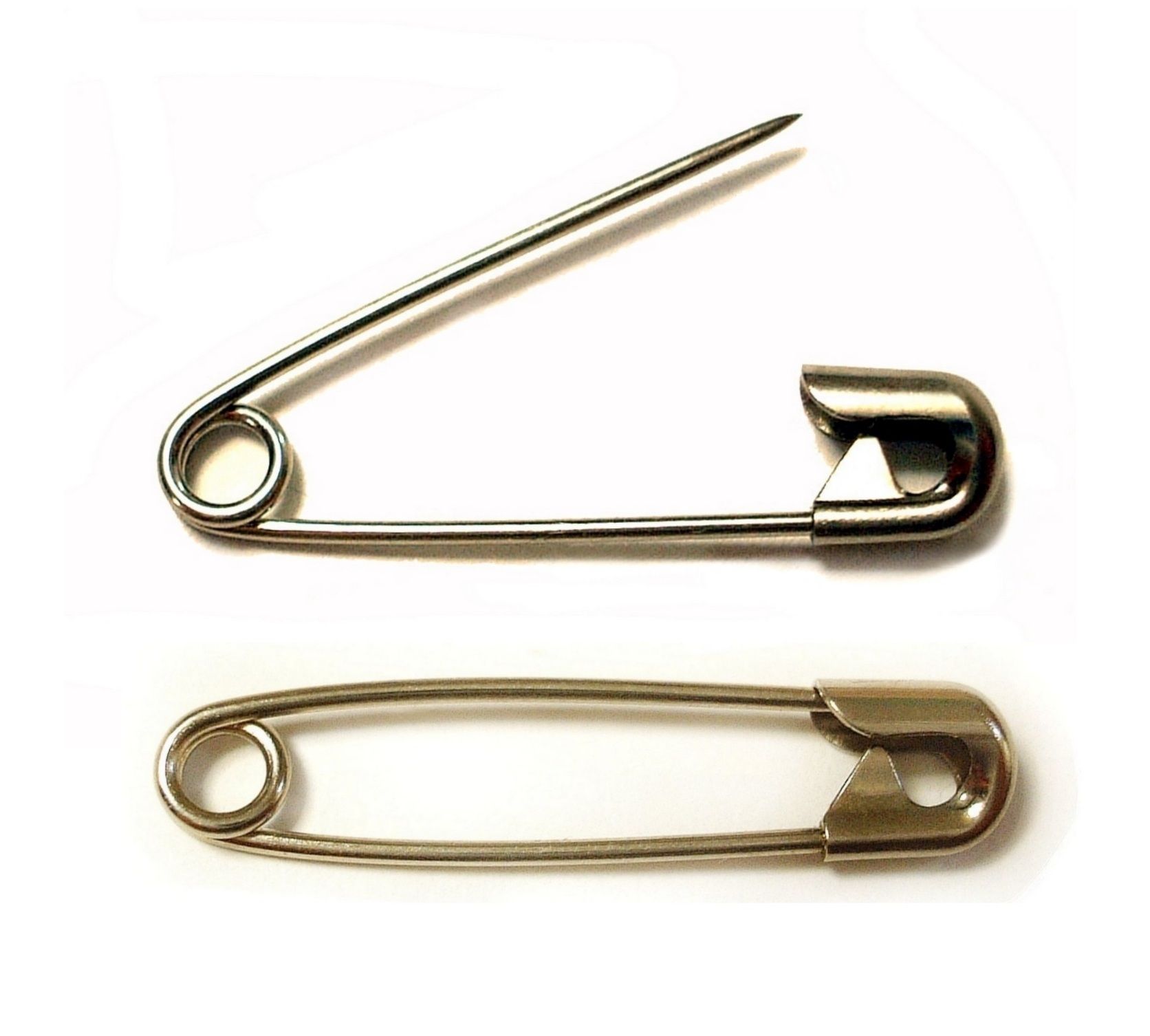
The sharp end had work to do. Walter Hunt’s 1849 dress pin gave it somewhere to go afterwards, using the same wire to pierce, spring and fasten.
Les historien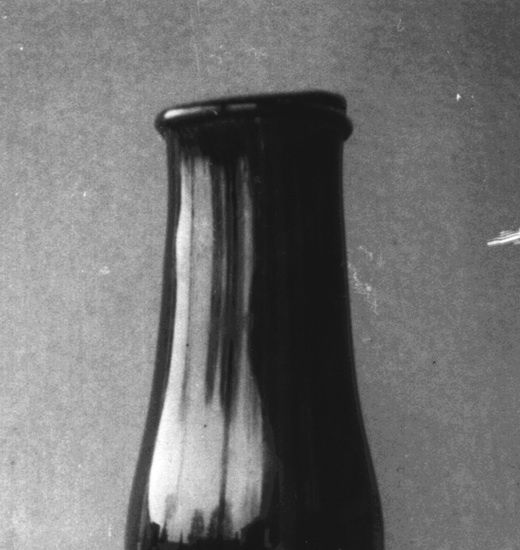
Nicolas Appert’s preserved peas could be mistaken for a fresh crop. Behind that result lay custom bottles, expensive corks and a long campaign to win other people’s trust.
Les historien
Nicolas-Jacques Conté made pencils from graphite and clay. His successor faced another problem: keeping their quality when the raw material changed.
Les historien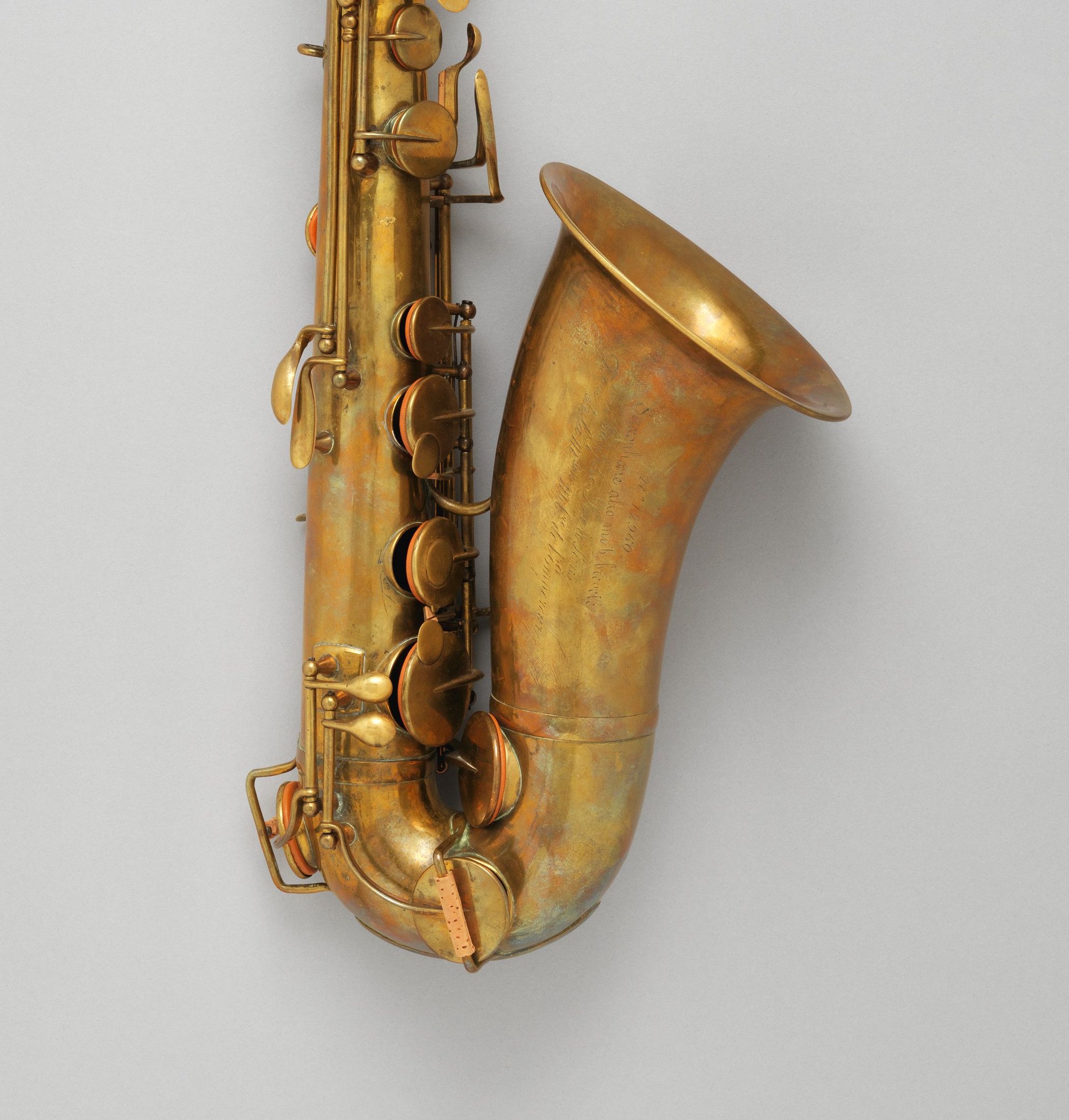
Adolphe Sax’s new instrument needed players. Georges Kastner explained the fingering, and military pupils learnt to make music with it.
Les historien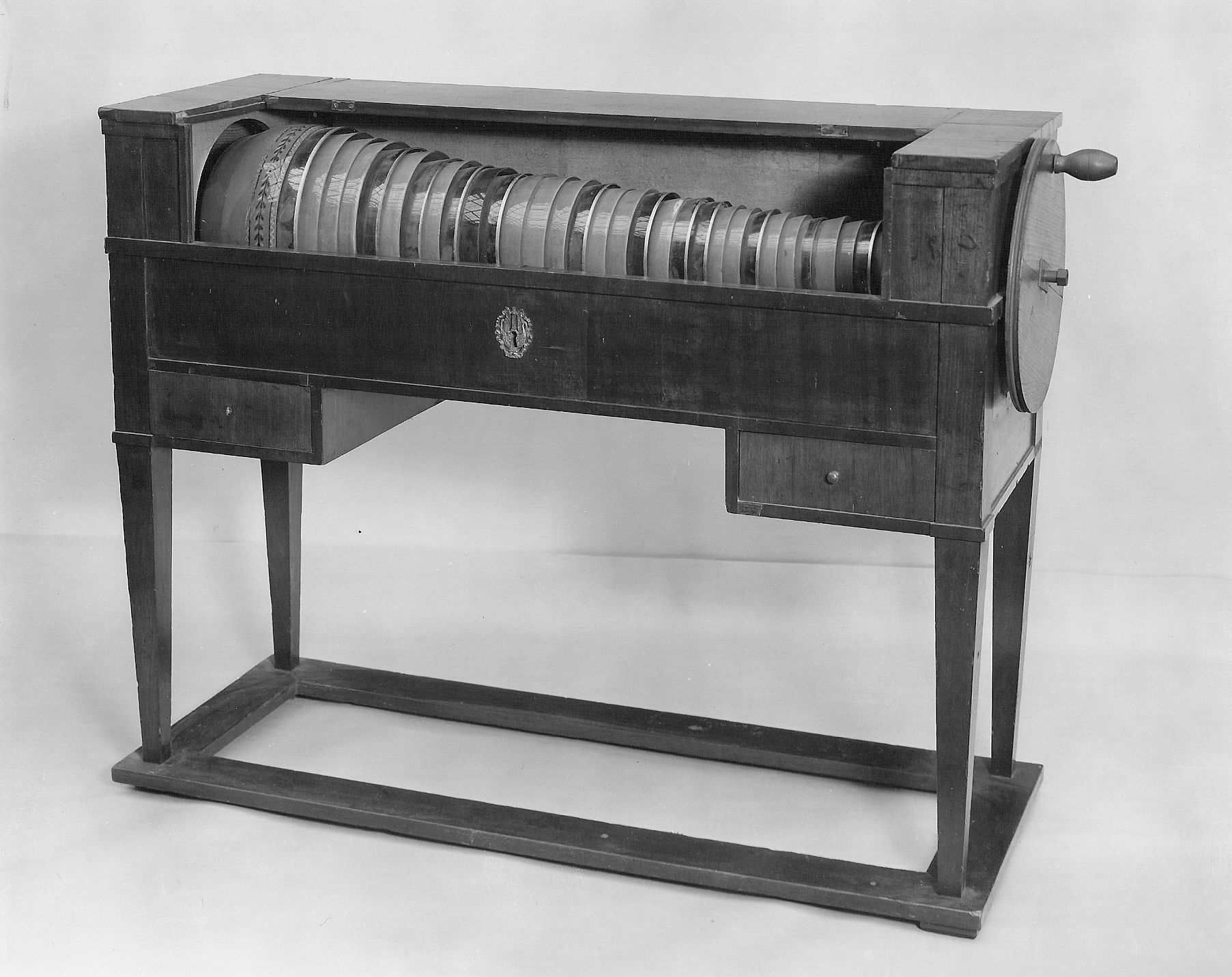
Benjamin Franklin brought spinning glass bowls within reach of two hands. Marianna Kirchgässner turned that possibility into a career, with music by Mozart and a new instrument made for her in London.
Les historien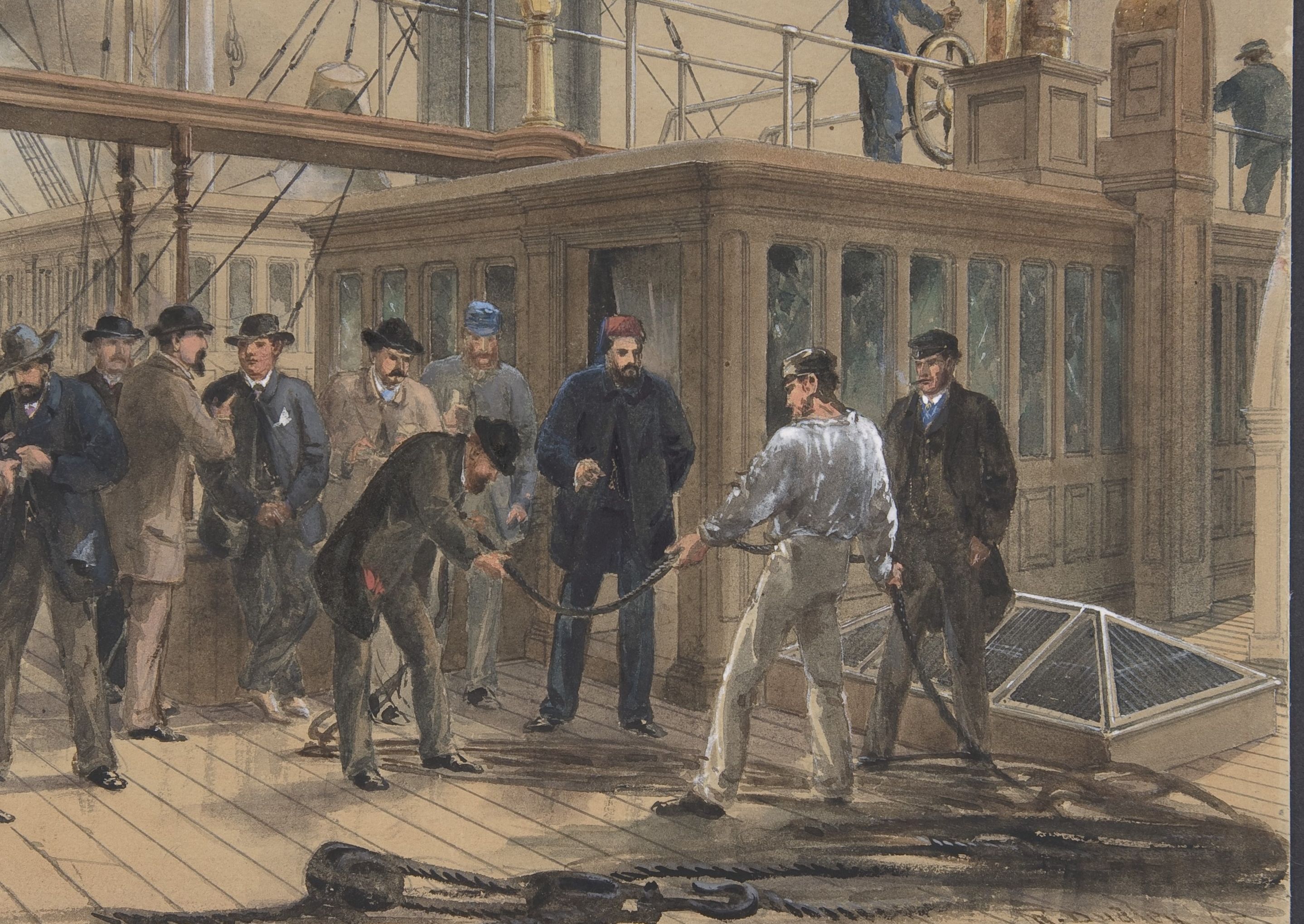
In 1865, a wire driven through an Atlantic telegraph cable put the men aboard Great Eastern under suspicion. The search for its cause led back through the cable's carefully assembled layers.
Les historien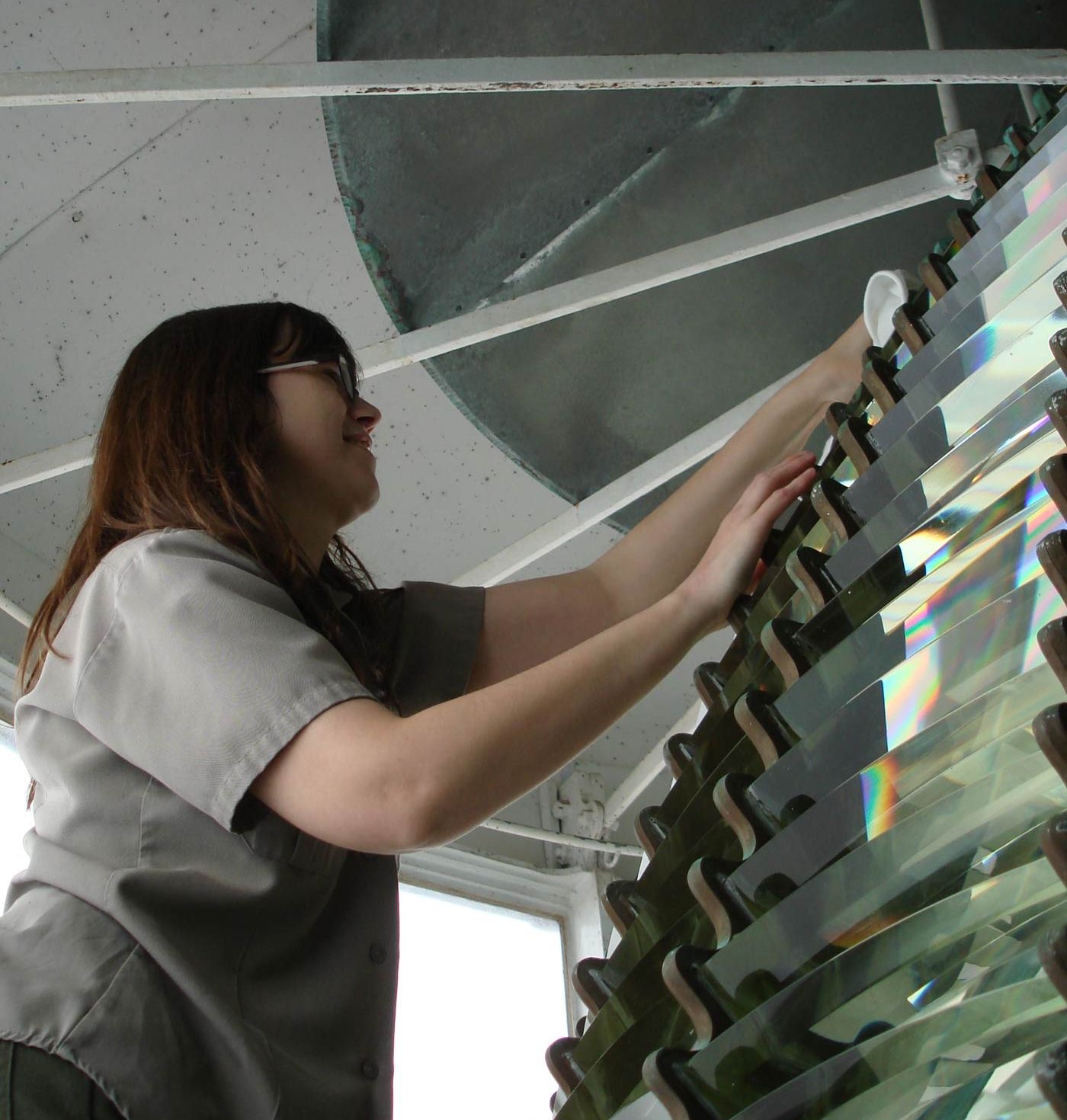
The Fresnel lens at Point Reyes sent a white flash across the Pacific every five seconds. Keeping that signal in order meant tending a lamp, winding a clock and repairing a station perched below a California headland.
Les historien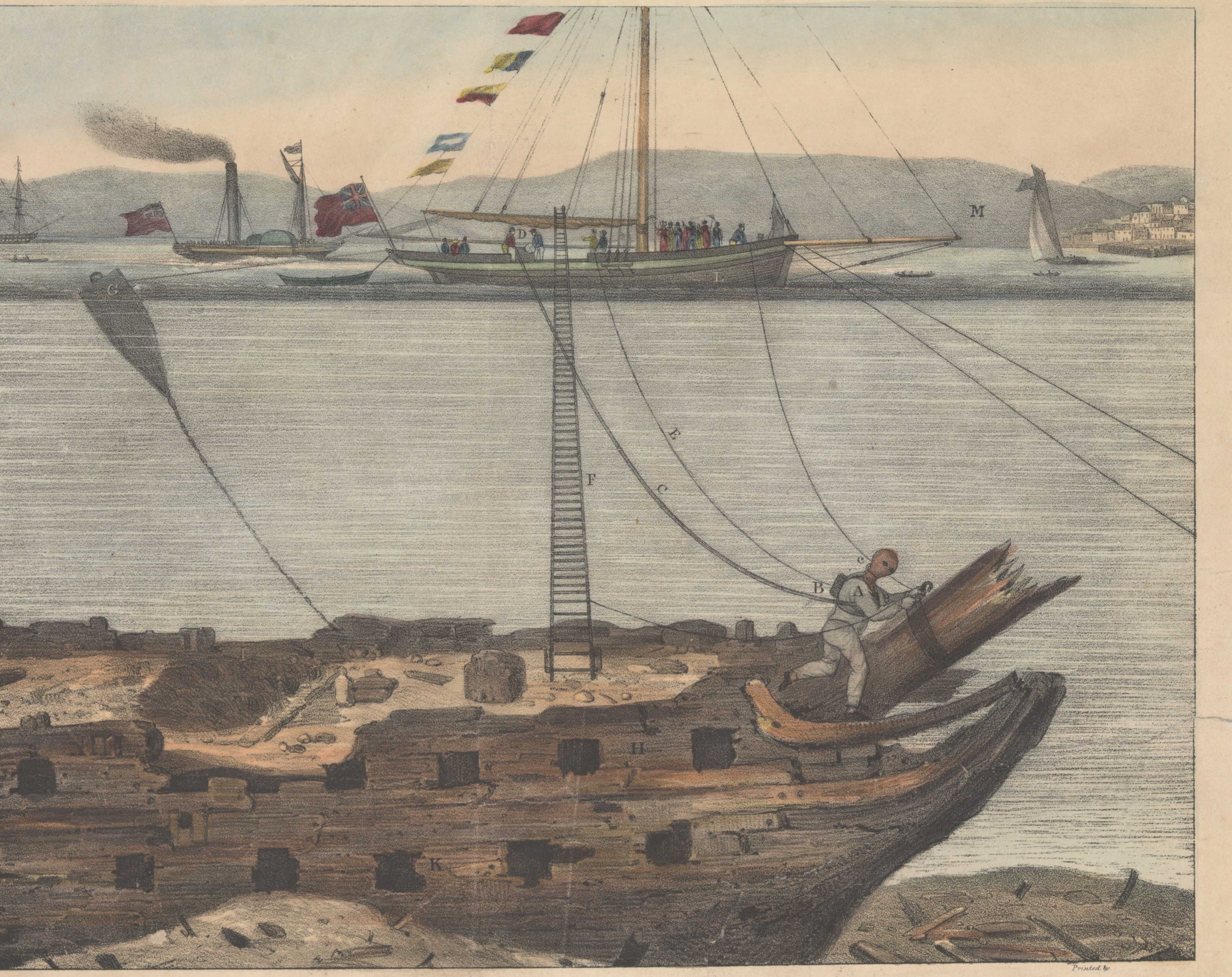
At the wreck of HMS Royal George, a diving helmet opened a new workplace. The men below earned their pay in the intervals between strong currents; the men above kept their air, signals and heavy loads moving.
Les historien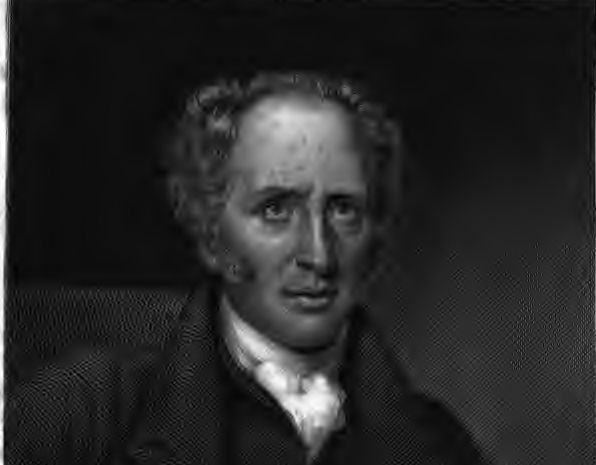
In 1816, John Hodgson sent Humphry Davy news of the safety lamp underground. The miners had objections, the maker had alterations, and some of the lamps were already back for repair.
Les historien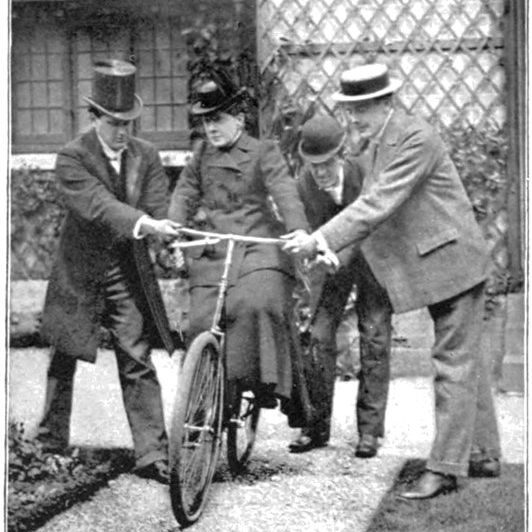
Chain gearing and pneumatic tyres had brought cycling within reach of new riders. Frances Willard, learning at fifty-three, found that a safety bicycle still left something to master.
Les historien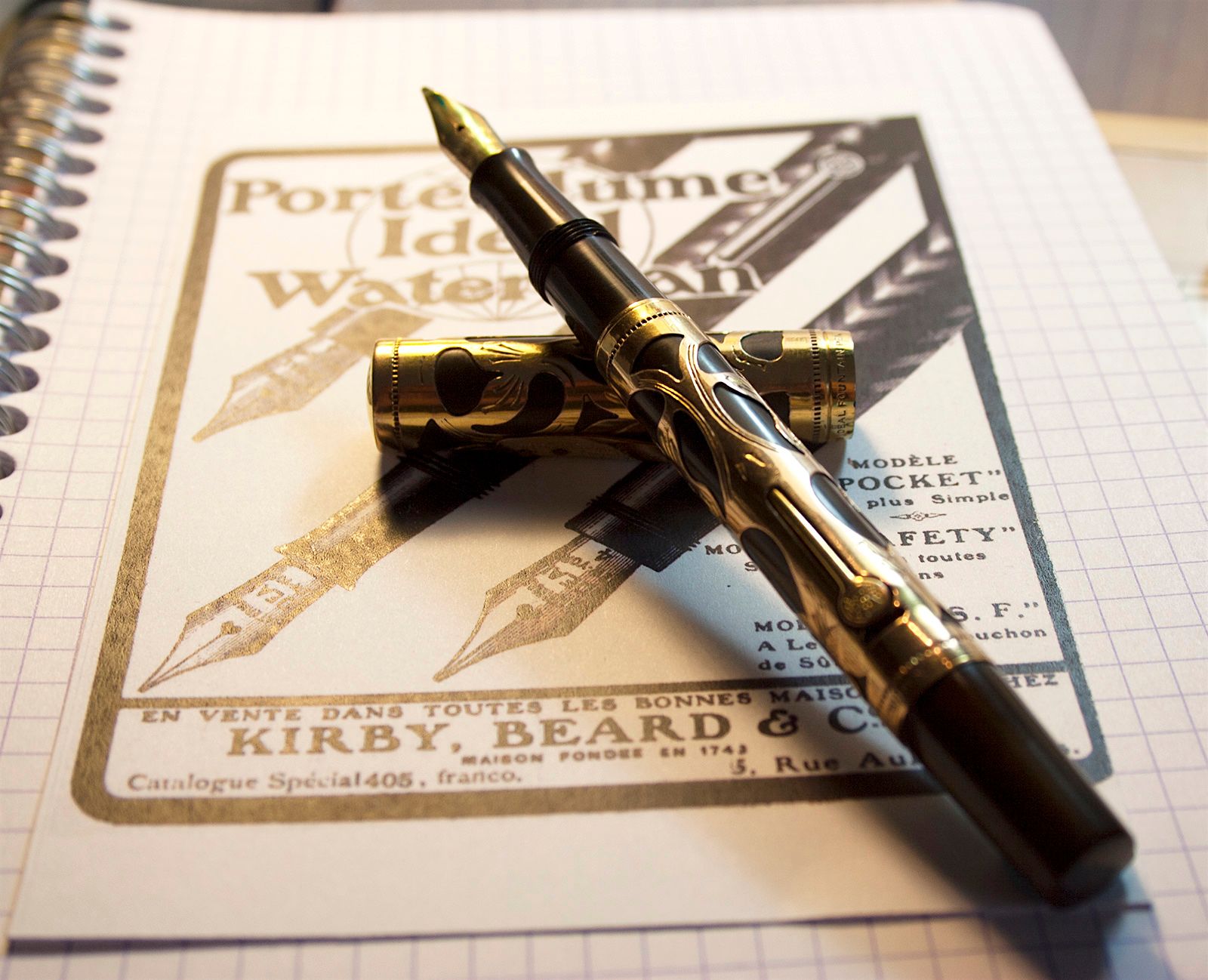
Waterman gave buyers thirty days to judge his fountain pen. His instructions explained how to carry the ink, keep it flowing and recognise when the pen needed another visit to the maker.
Les historien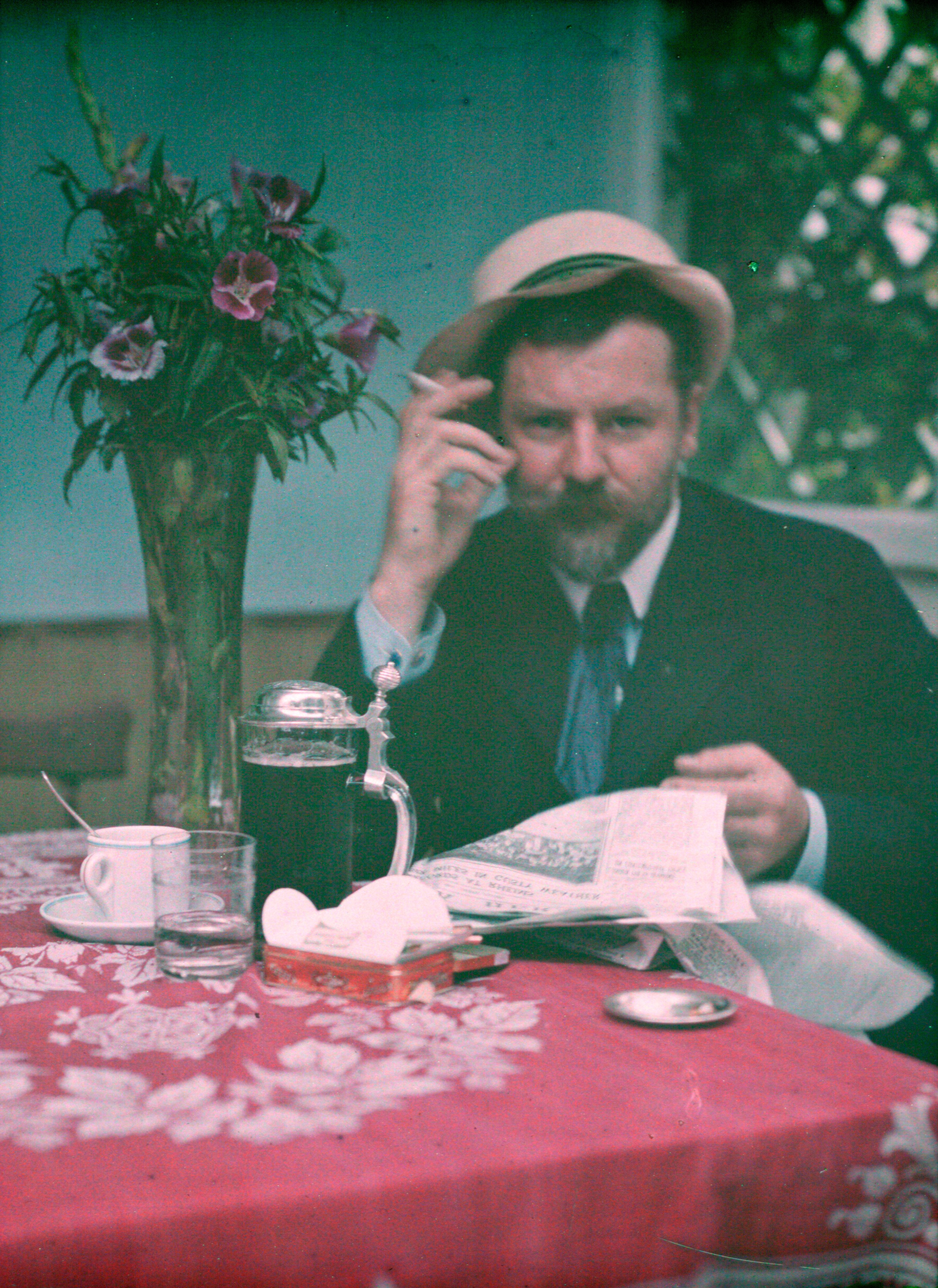
The Lumière Autochrome put colour photography inside a factory-made glass plate. Alfred Stieglitz's early experiments show how much still depended on the photographer, and on the temperature of the developing baths.
Les historien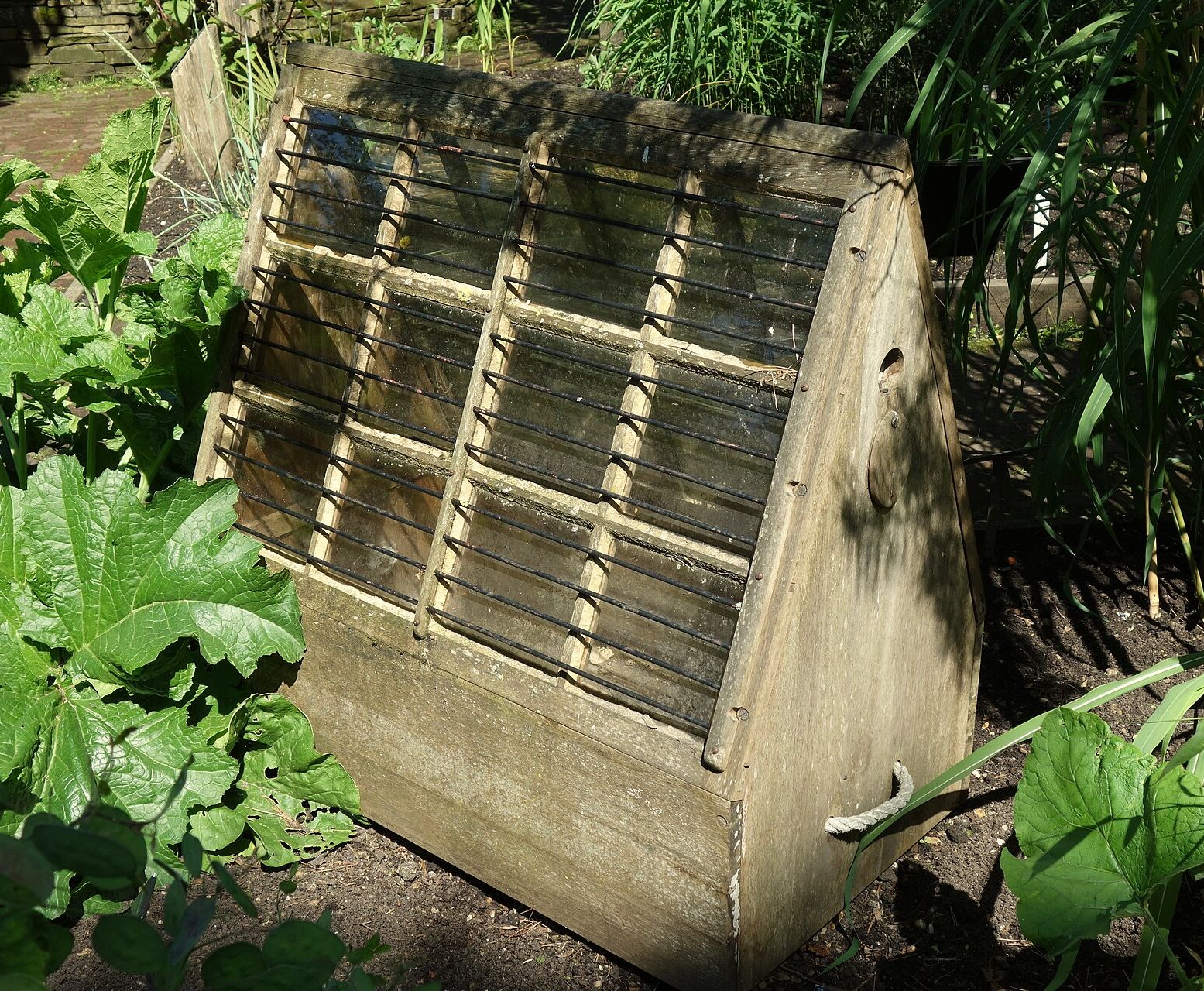
In 1833, two glass cases of plants set out for Australia. Their success depended on a good captain, careful packing and surprisingly little water. The Wardian case would carry valuable crops around the world, along with passengers nobody had ordered.
Les historien