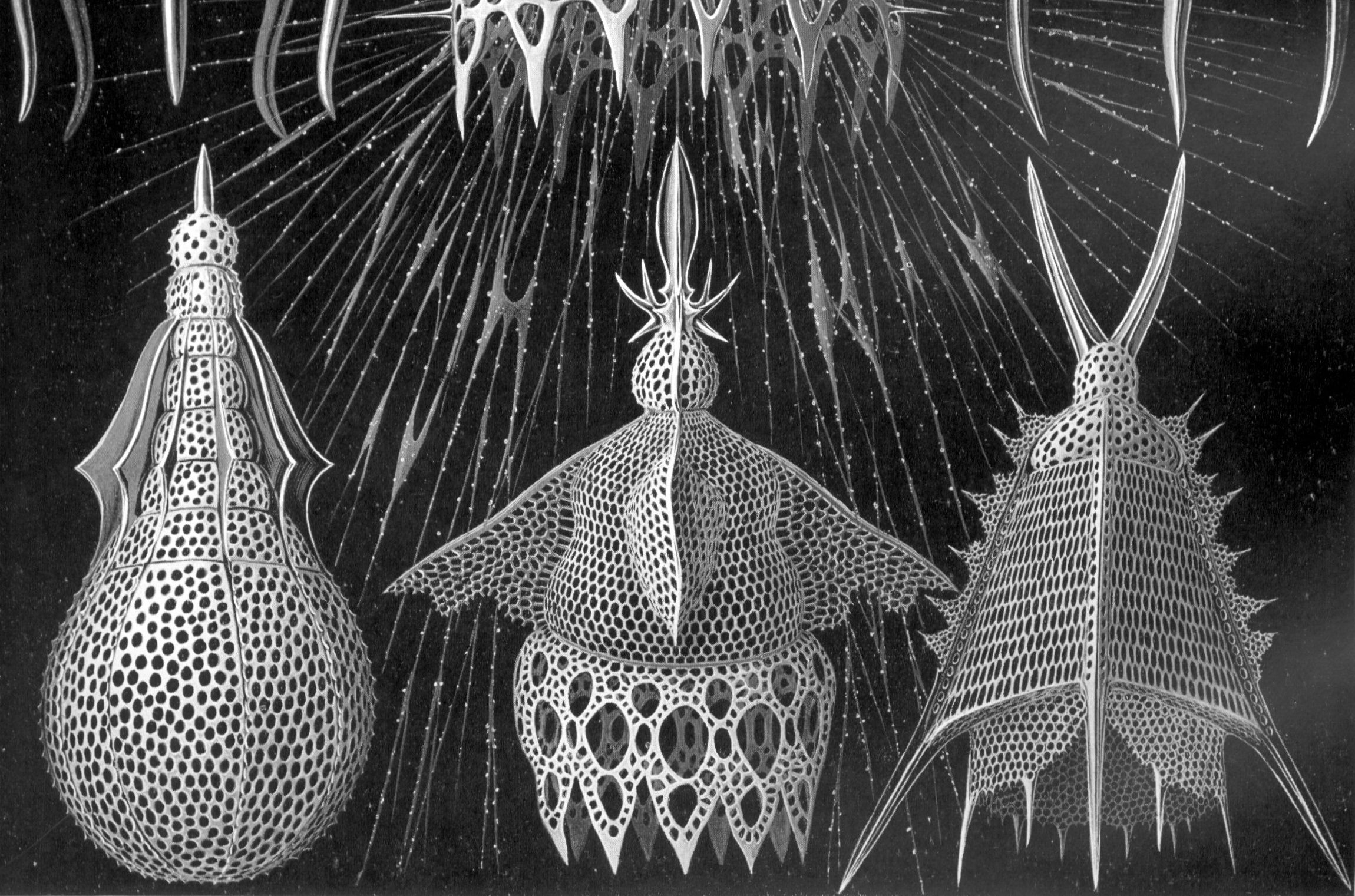
Adolf Giltsch corrected the drawings, taught the students and put Haeckel’s organisms on lithographic stone. One tiny shell, named for a dead wife, shows how much could change on its way to a popular book.
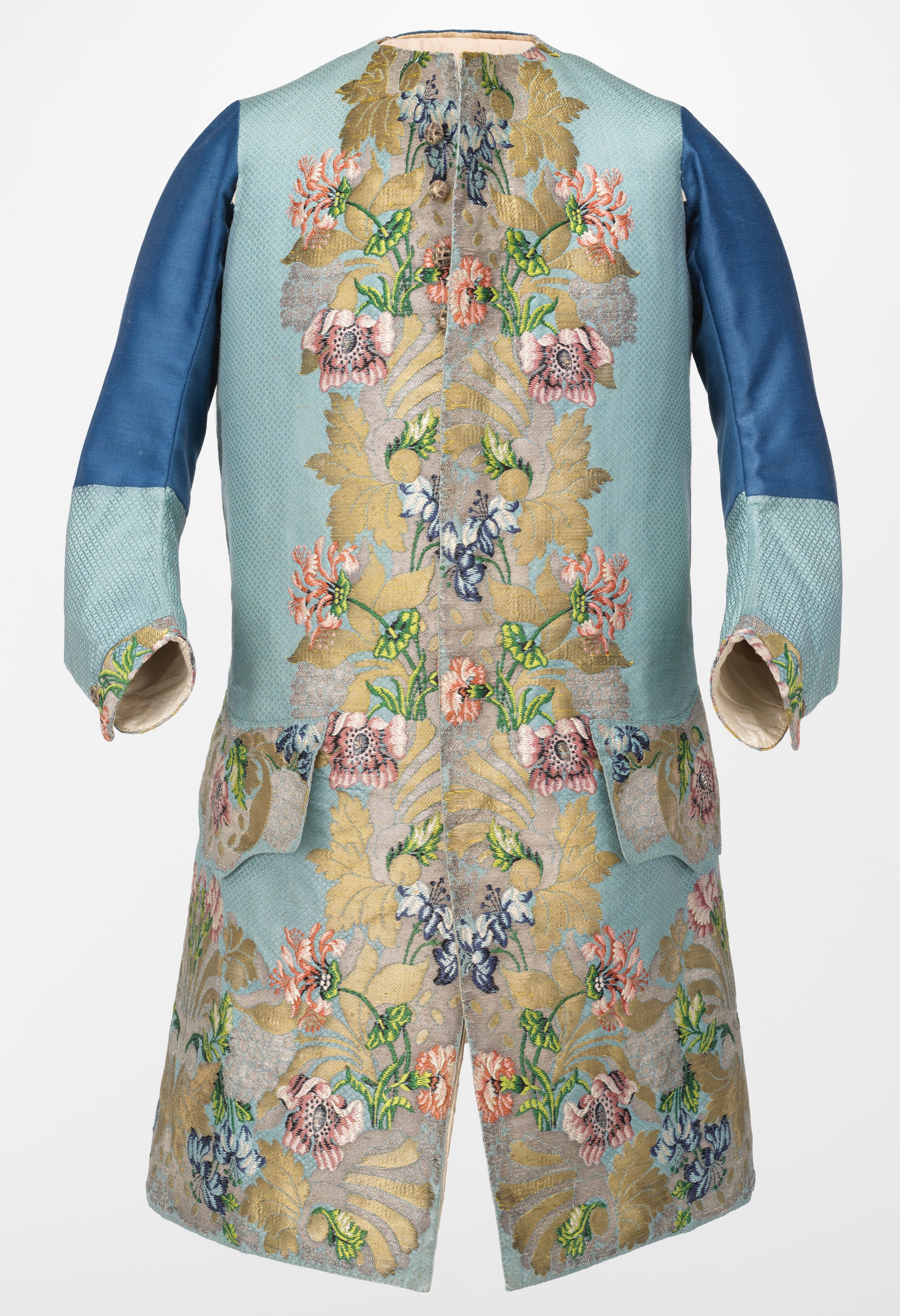
Anna Maria Garthwaite’s 1747 waistcoat design told a Spitalfields weaver where to put flowers—and which metal threads to use. The surviving garment, her working books and a dress painted in Philadelphia reveal how much happened between watercolour and cloth.
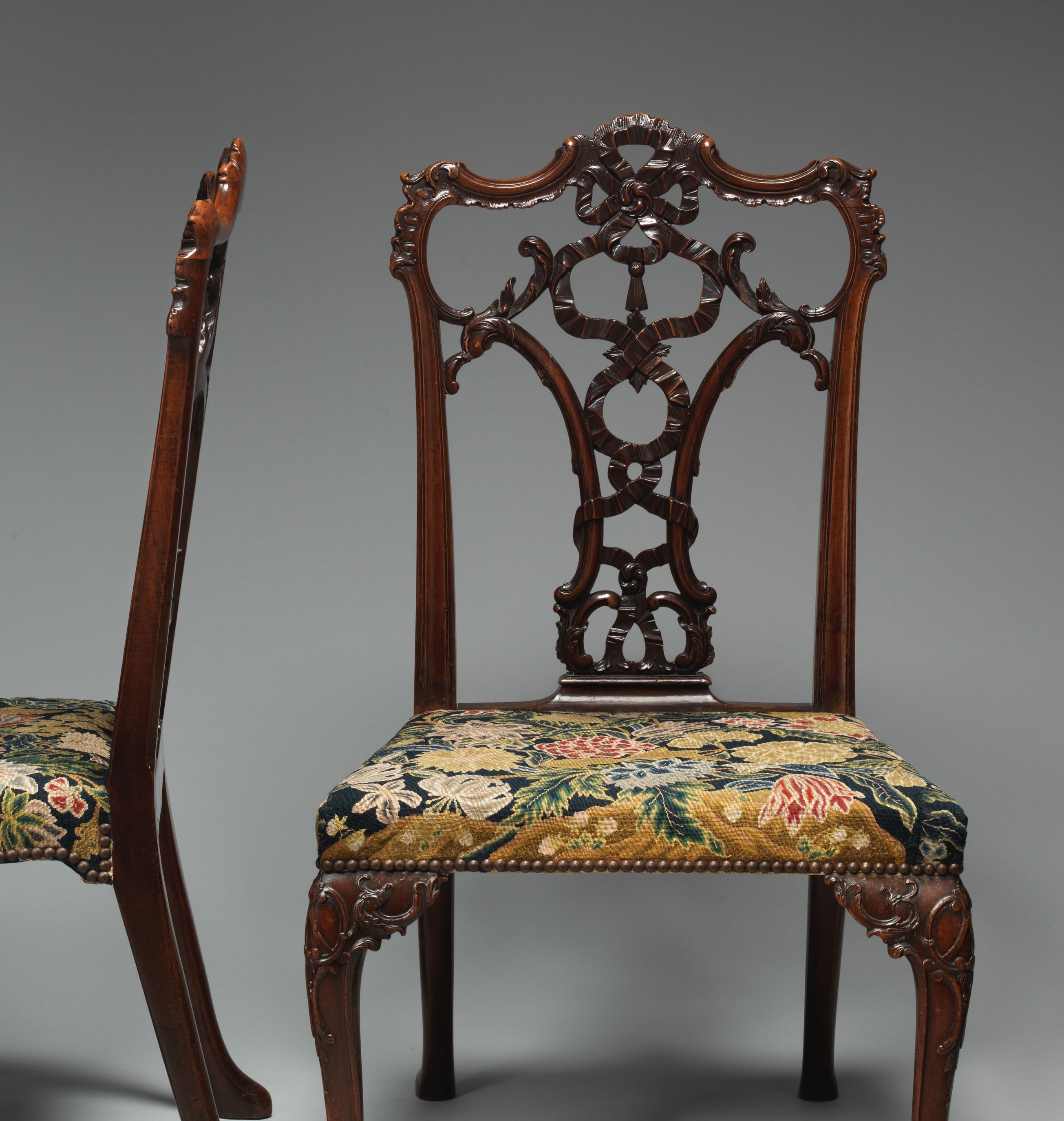
Thomas Chippendale’s Director offered furniture makers a stock of designs they could alter. A pair of ribbon-back chairs, an Edinburgh maker’s bill and a dissatisfied customer show what happened between the printed page and the finished room.
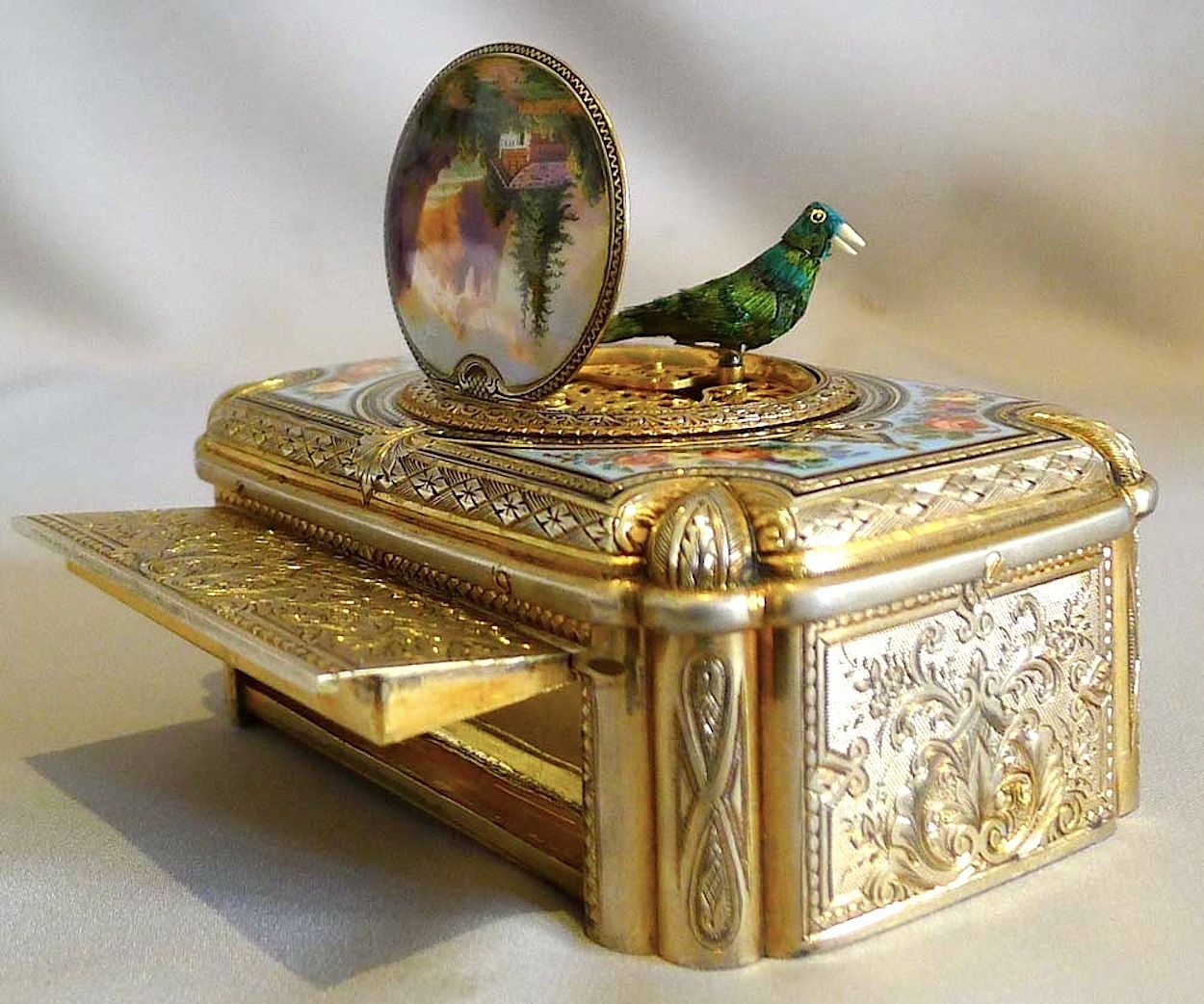
The Bruguier family’s Swiss singing-bird boxes concealed a performance beneath a painted landscape. Bellows supplied the voice and shaped metal controlled the movements; behind the familiar maker’s name were two Charleses, a son-in-law and a woman who pinned musical cylinders.
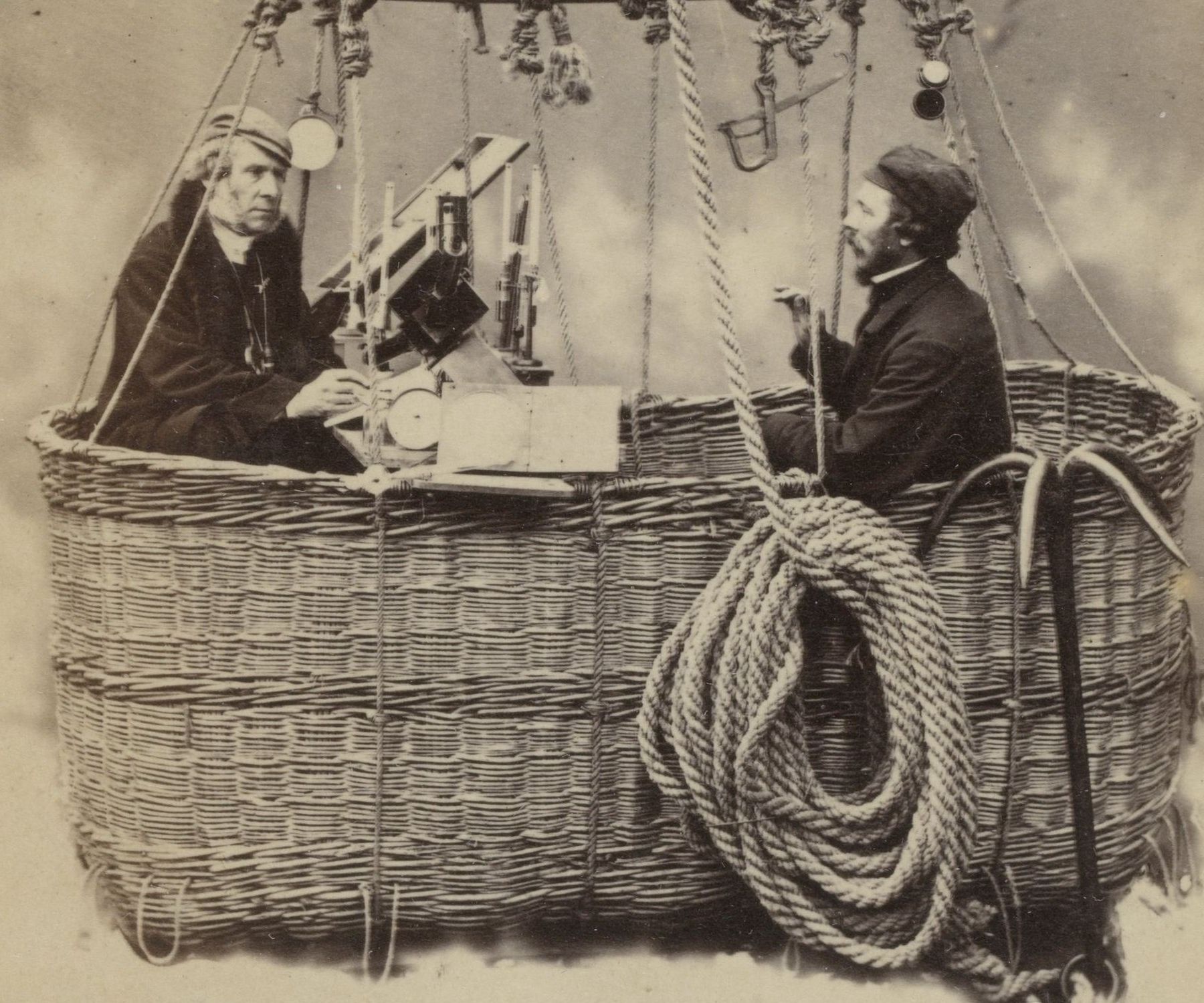
James Glaisher arranged a laboratory across a balloon basket. On 5 September 1862, his instruments and his body began to fail at different speeds. Henry Coxwell had to bring them down—and the famous seven-mile height had to be worked out afterwards.
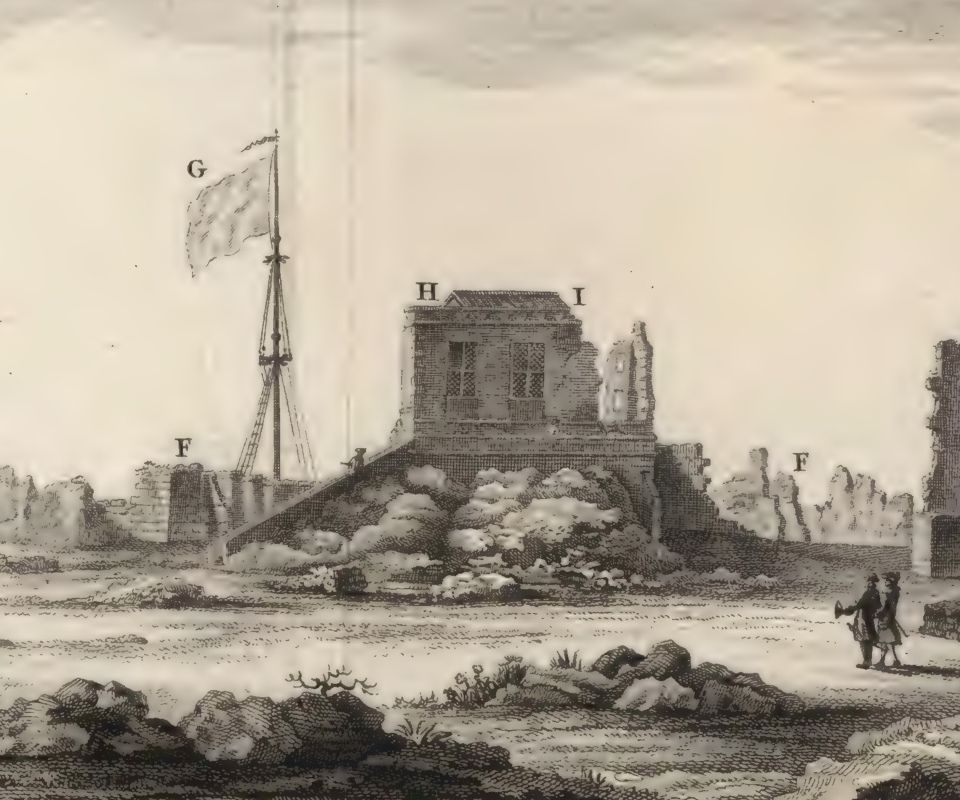
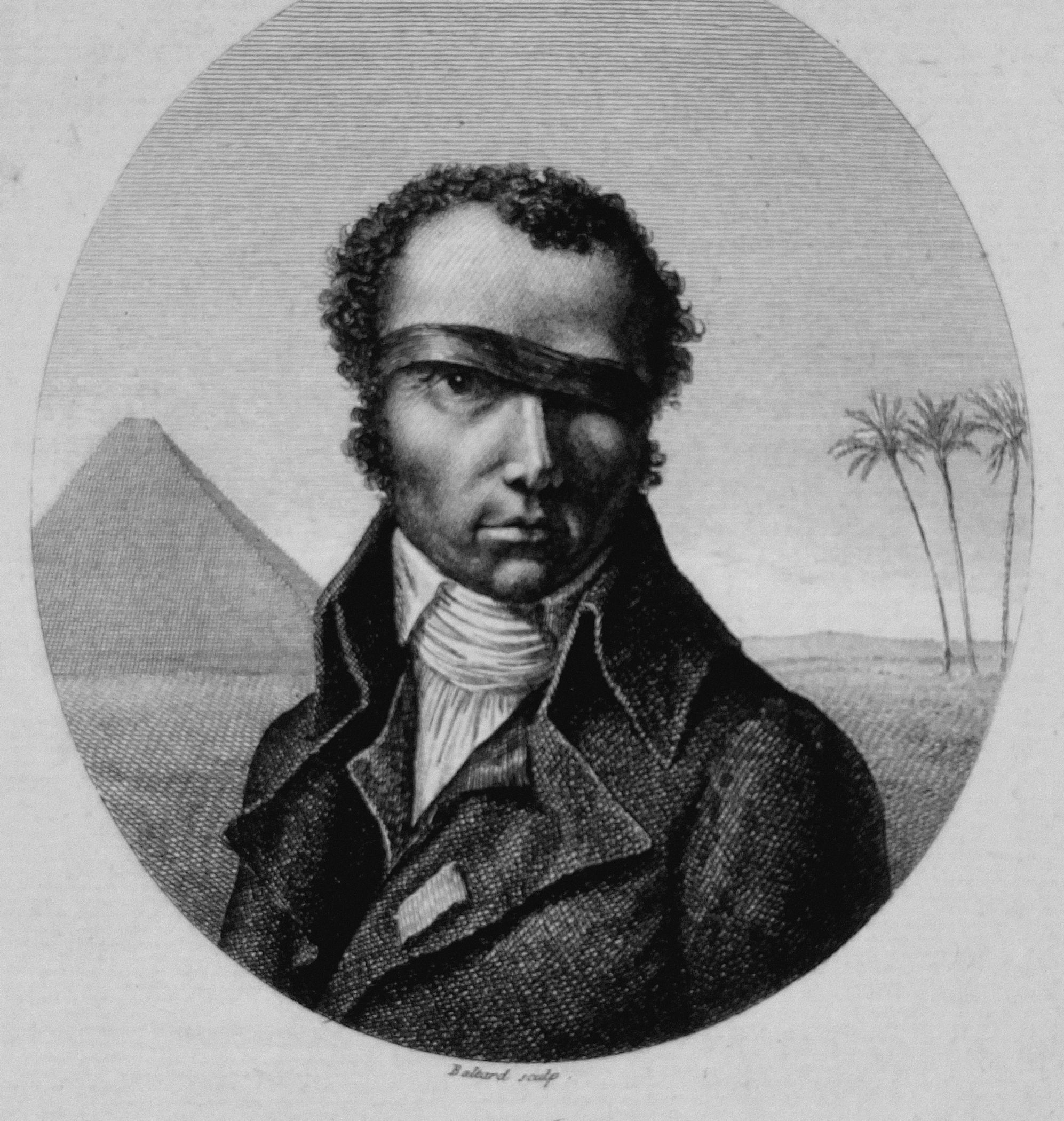
Guillaume Le Gentil knew Manila had good observing weather. He left anyway. His voyage account explains the choice that took him to a ruined palace in Pondicherry for the transit of Venus—and records the observation made by the friend he left behind.
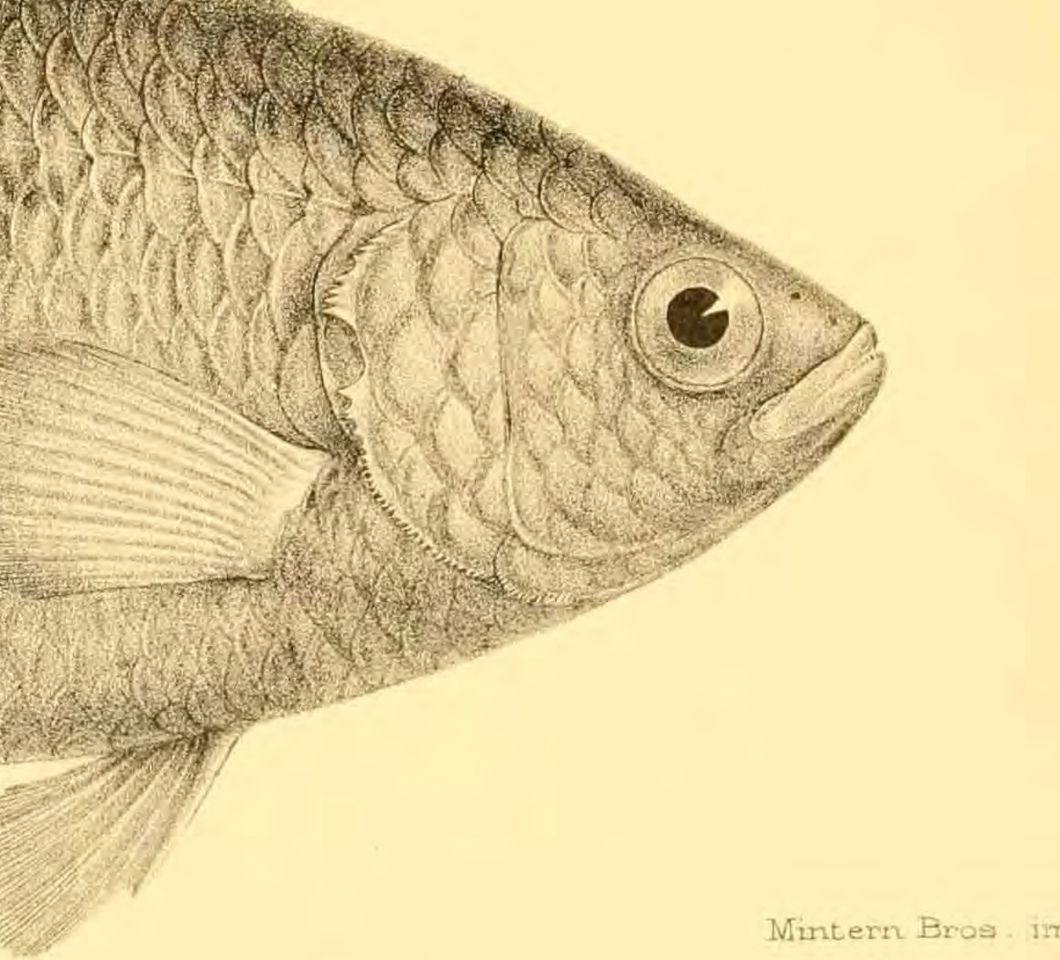
Mary Kingsley’s 1895 fish collection had to survive bargaining, a shortage of alcohol and the Ogooué rapids. Three specimens from Kondo-Kondo eventually reached a London museum, where an adult and two young fish helped Albert Günther distinguish a new species.
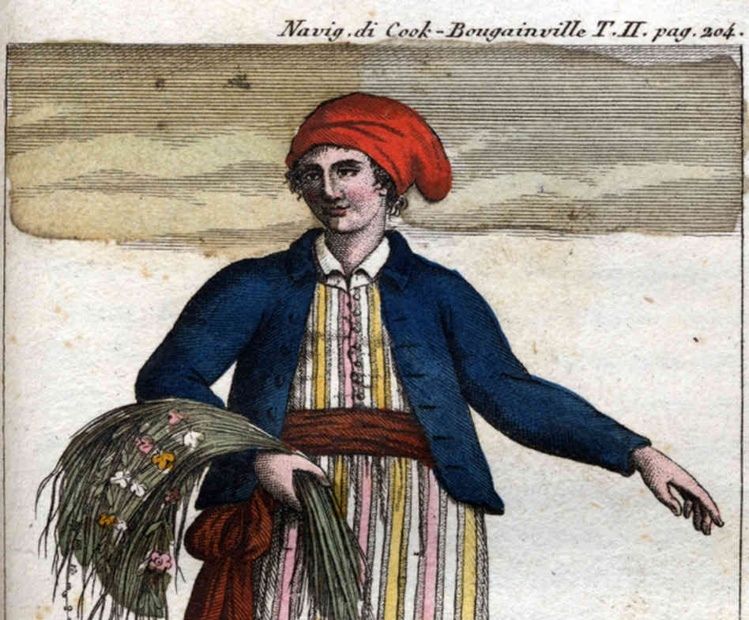
Jeanne Baret carried plant folders through the Strait of Magellan and kept working after Bougainville’s ships moved on. A Mauritian specimen and an abandoned botanical name help trace the labour behind a collection credited to Philibert Commerson.
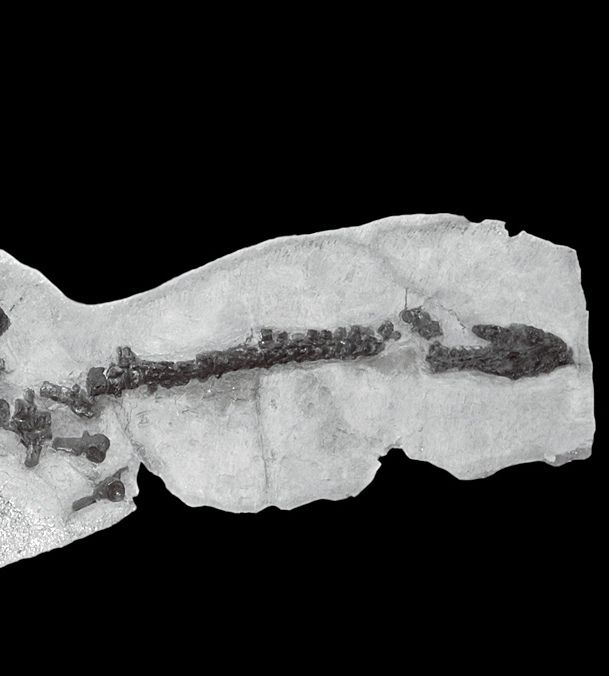
Mary Anning had a strange skeleton to sell and two wealthy customers to consider. Her letter from Lyme Regis reveals the judgement behind a price, before the fossil became a scientific sensation and a museum specimen.
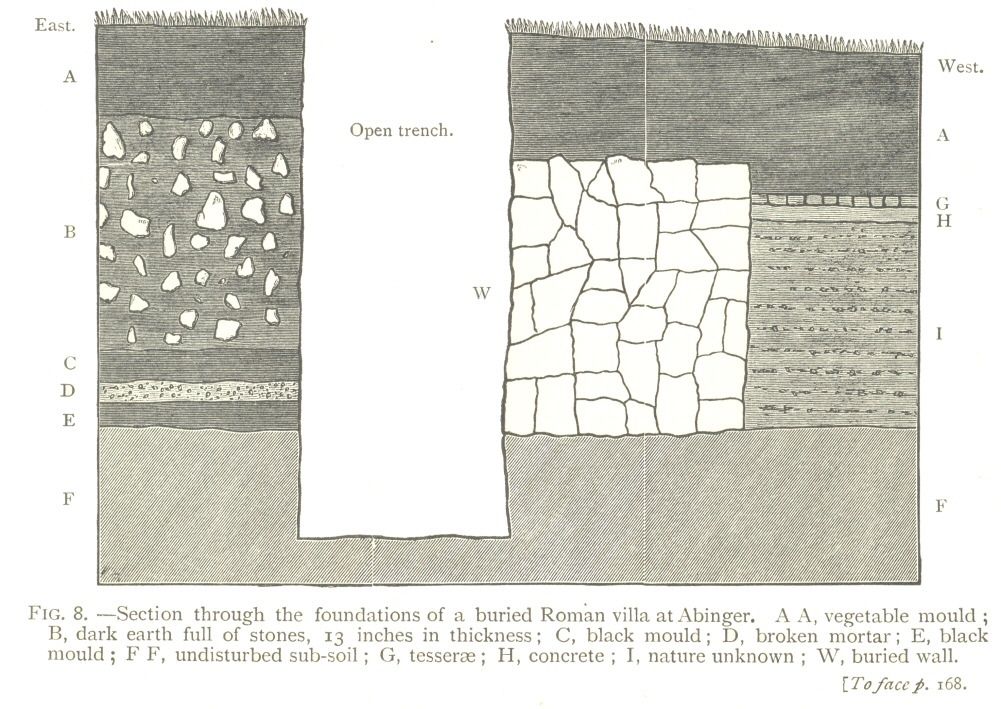
Fresh earth kept appearing on a cleared Roman floor. Charles Darwin used years of experiments and a network of observers to explain how worms could gradually bury traces of human work.
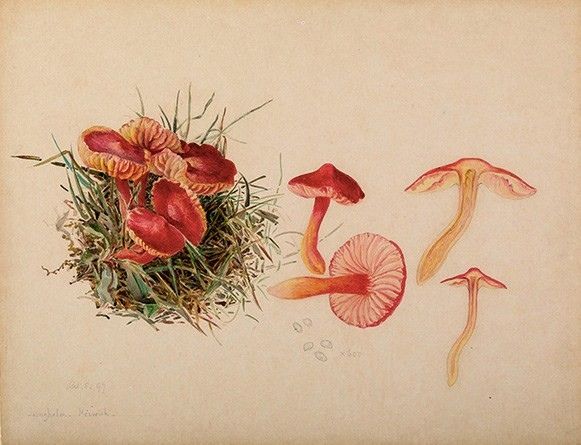
Beatrix Potter exchanged paintings for parcels of fungi. The specimens led her from accurate portraits to a harder undertaking: growing spores, persuading sceptics and producing a slide that would perform when required.
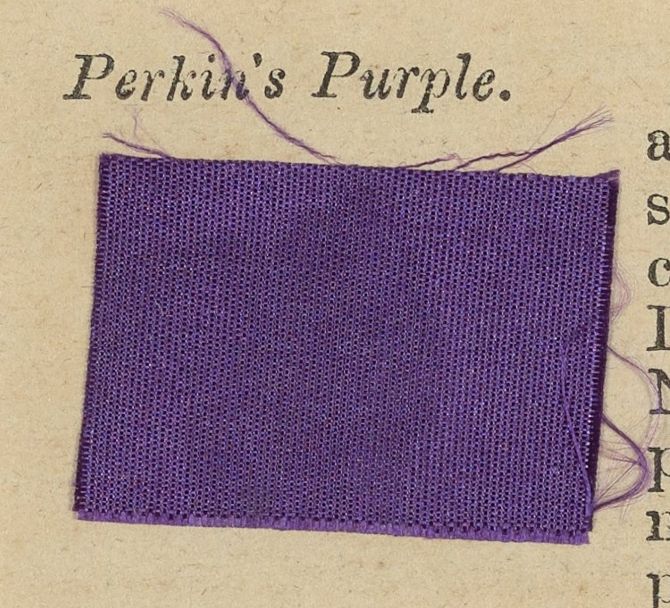
William Henry Perkin’s purple looked promising on silk. Turning it into something a dyer would buy required a factory, new ways of treating cloth and an answer to a small but expensive condition.
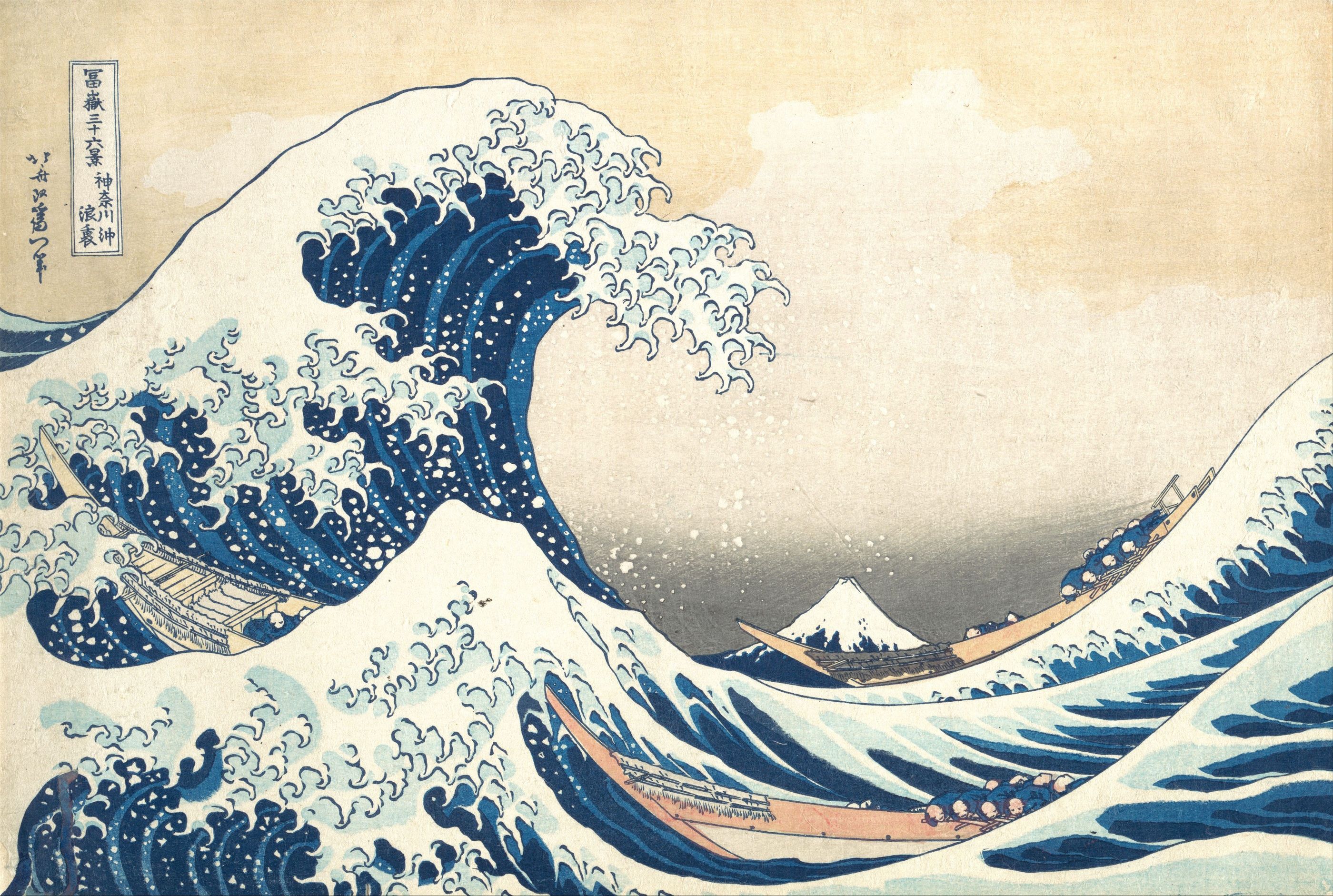
A few gaps in a blue border help order surviving impressions of Hokusai’s Great Wave. They open a history of carved wood, hand printing and colour that changed both in the workshop and afterwards.
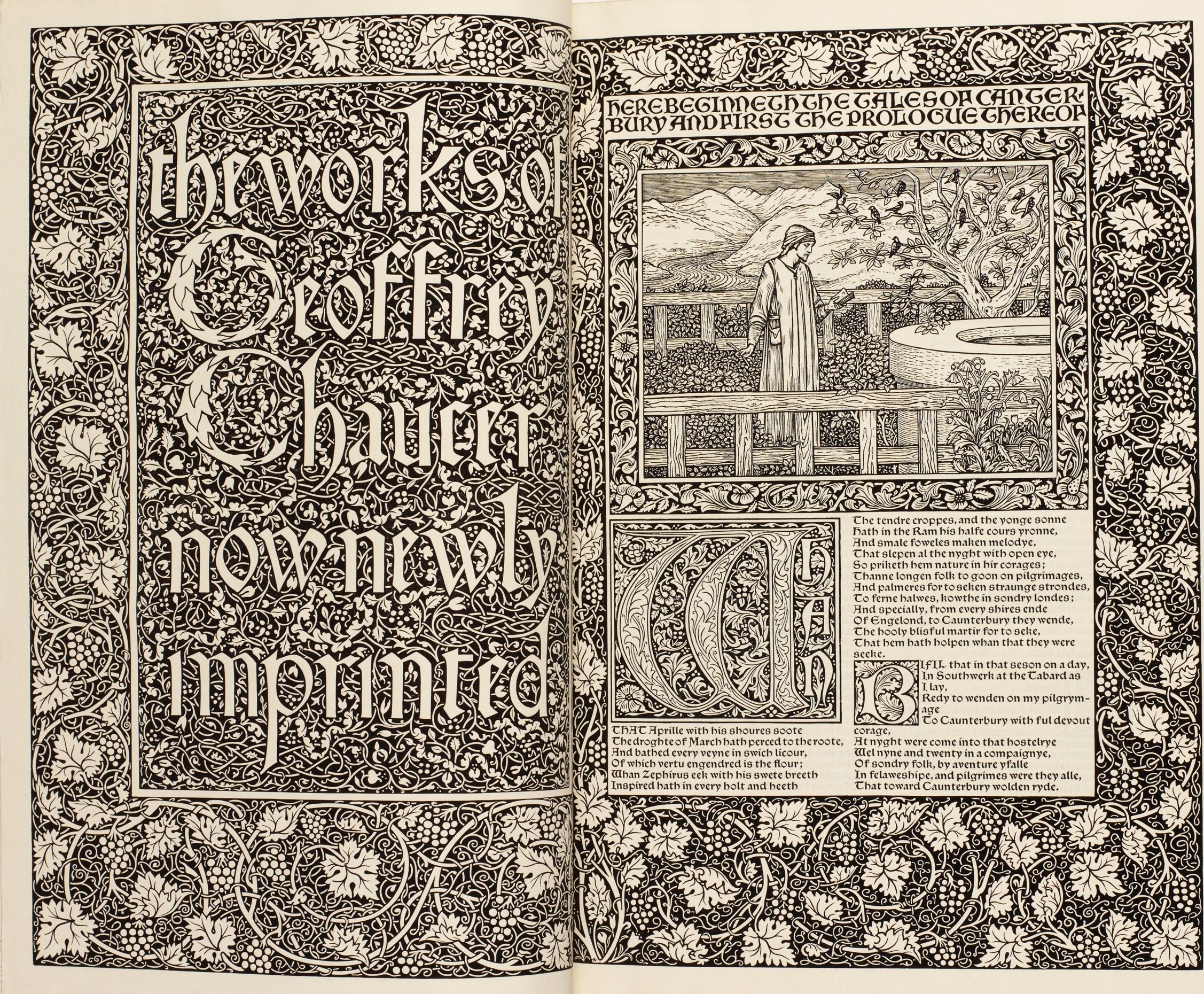
William Morris’s Chaucer began with type too large for its pages and grew to include 87 pictures by Edward Burne-Jones. Its subscribers kept their orders while a workshop brought the parts together.
Alois Senefelder wanted to print his own plays. Music brought him a partner and paying work, but a better press began ruining the paper. Making lithography useful took more than a mark on limestone.
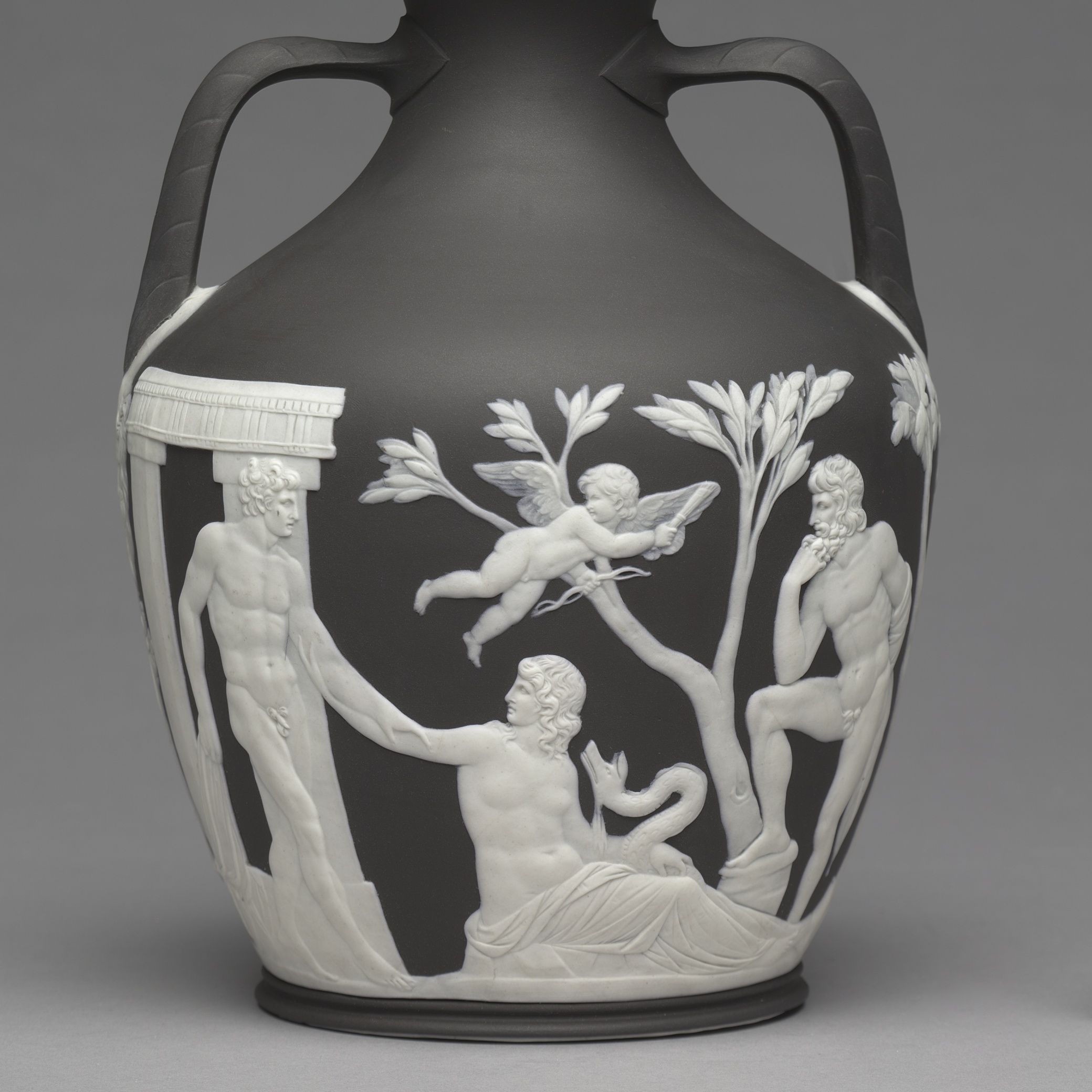
Josiah Wedgwood borrowed the Portland Vase, a celebrated Roman glass vessel, in 1786. Copying its figures in pottery required new colours, different ways of making shade and a decision about which imperfections to keep.
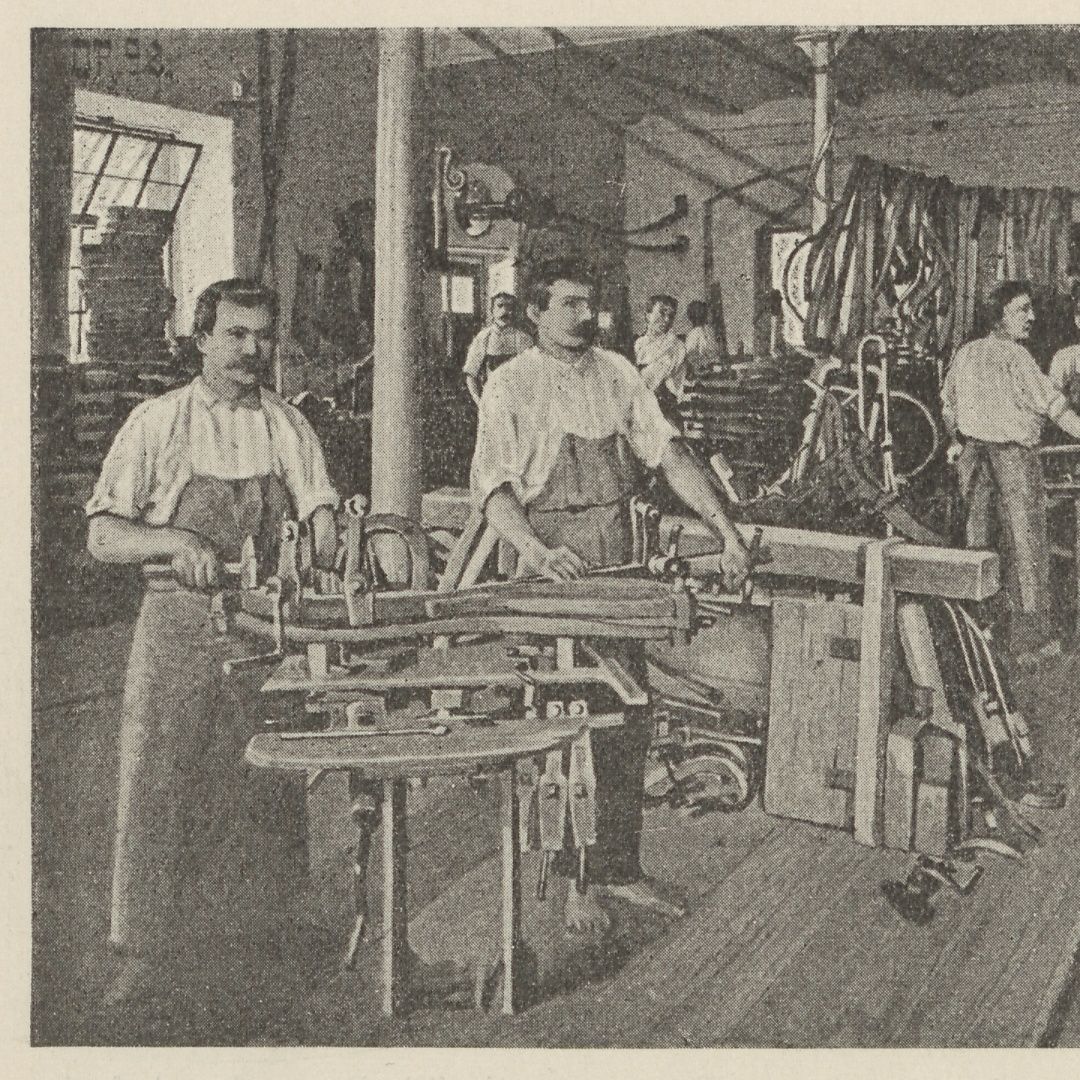
Michael Thonet's No. 14 could travel as separate wooden curves and become a chair near its buyer. Getting there meant changing the wood, the tools and the people doing the work.
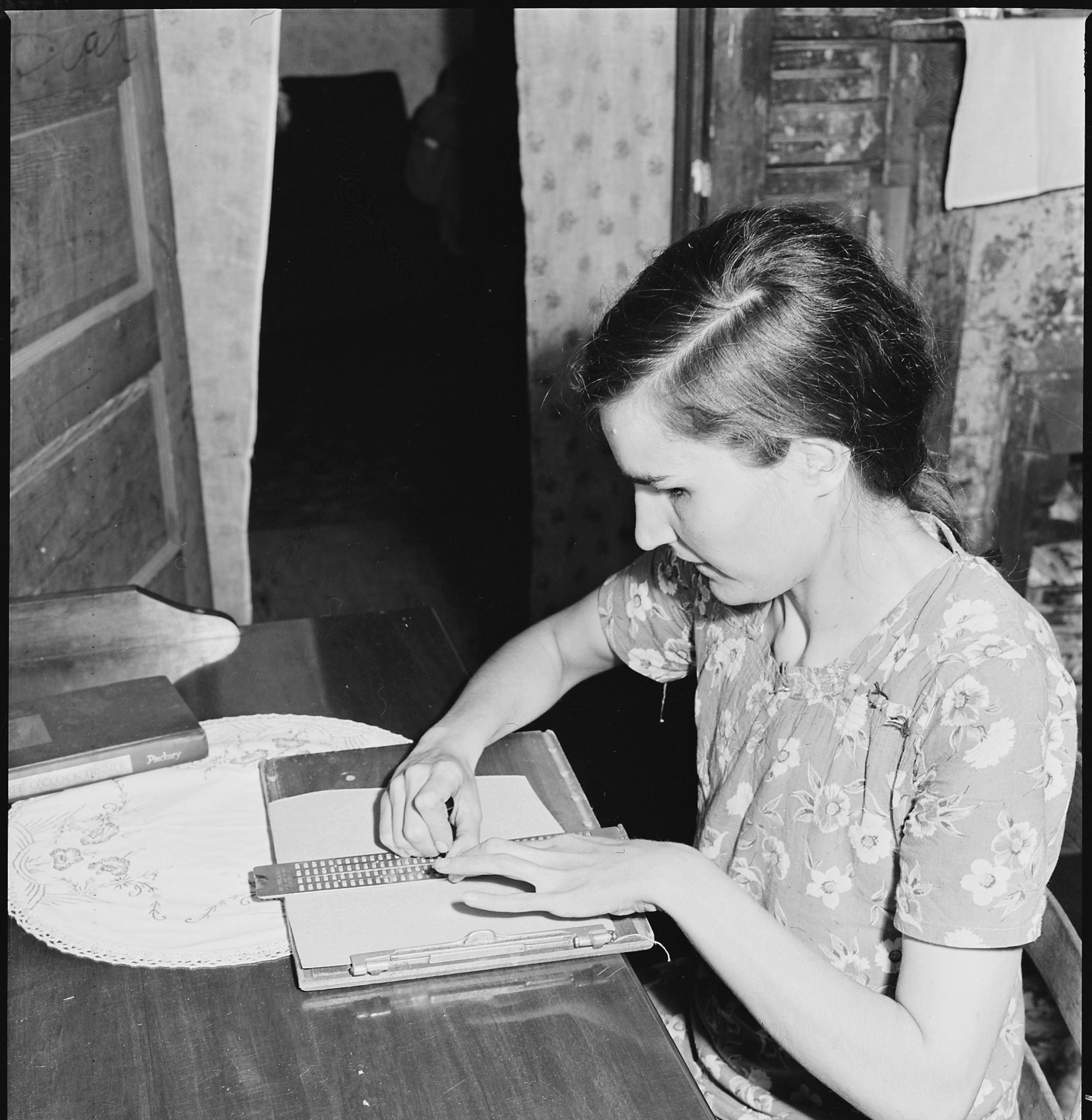
Louis Braille's six dots let a reader become a writer with paper, a pointed tool and a small guide. His early manuals explain the work behind that freedom: reversed characters, durable marks and a system refined by the people using it.
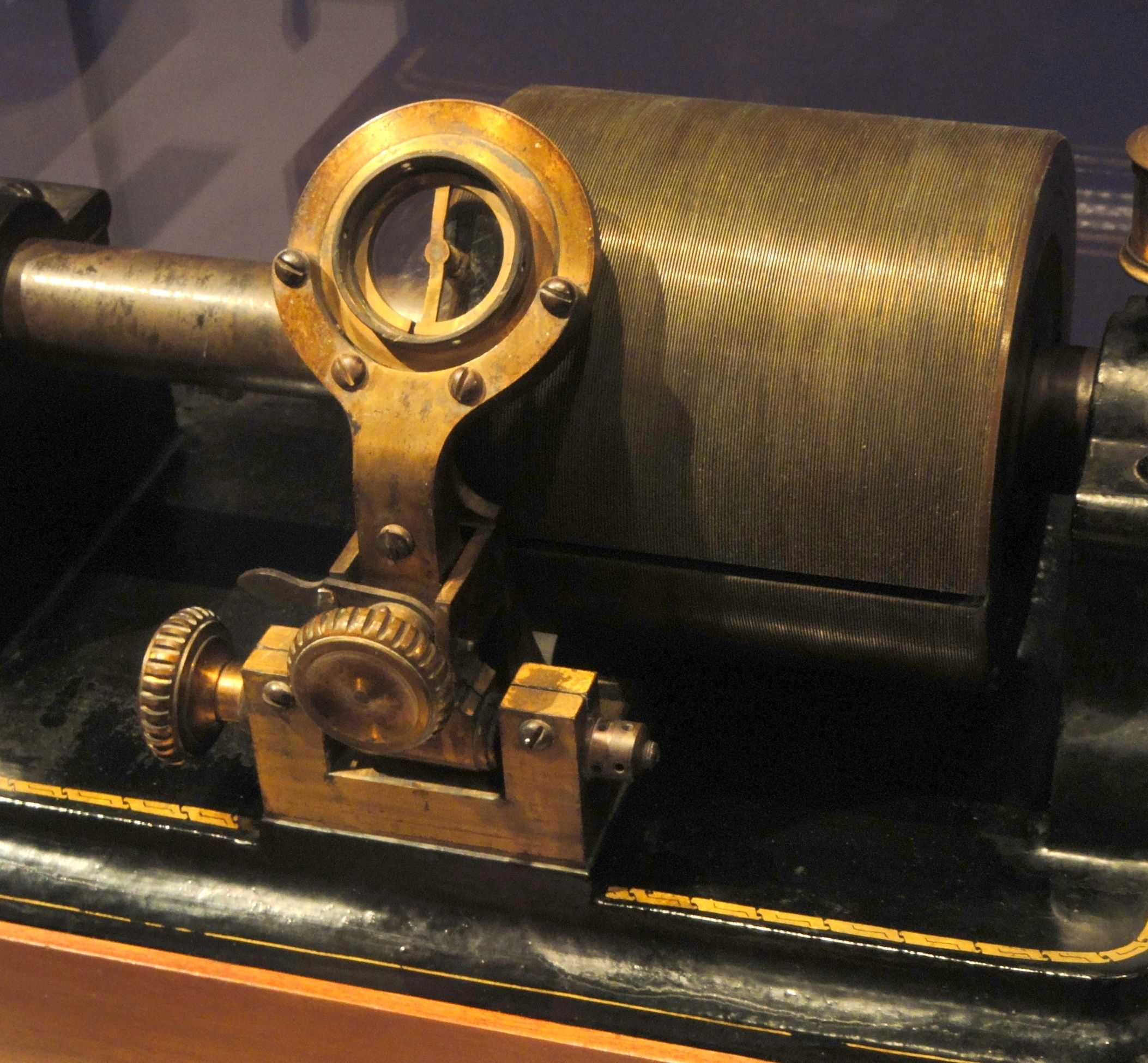
Edison's tinfoil phonograph brought a voice back from a sheet of metal. In 1878, getting it to speak before an audience meant adjusting the machinery, shouting into it and knowing what to do when the first attempt failed.
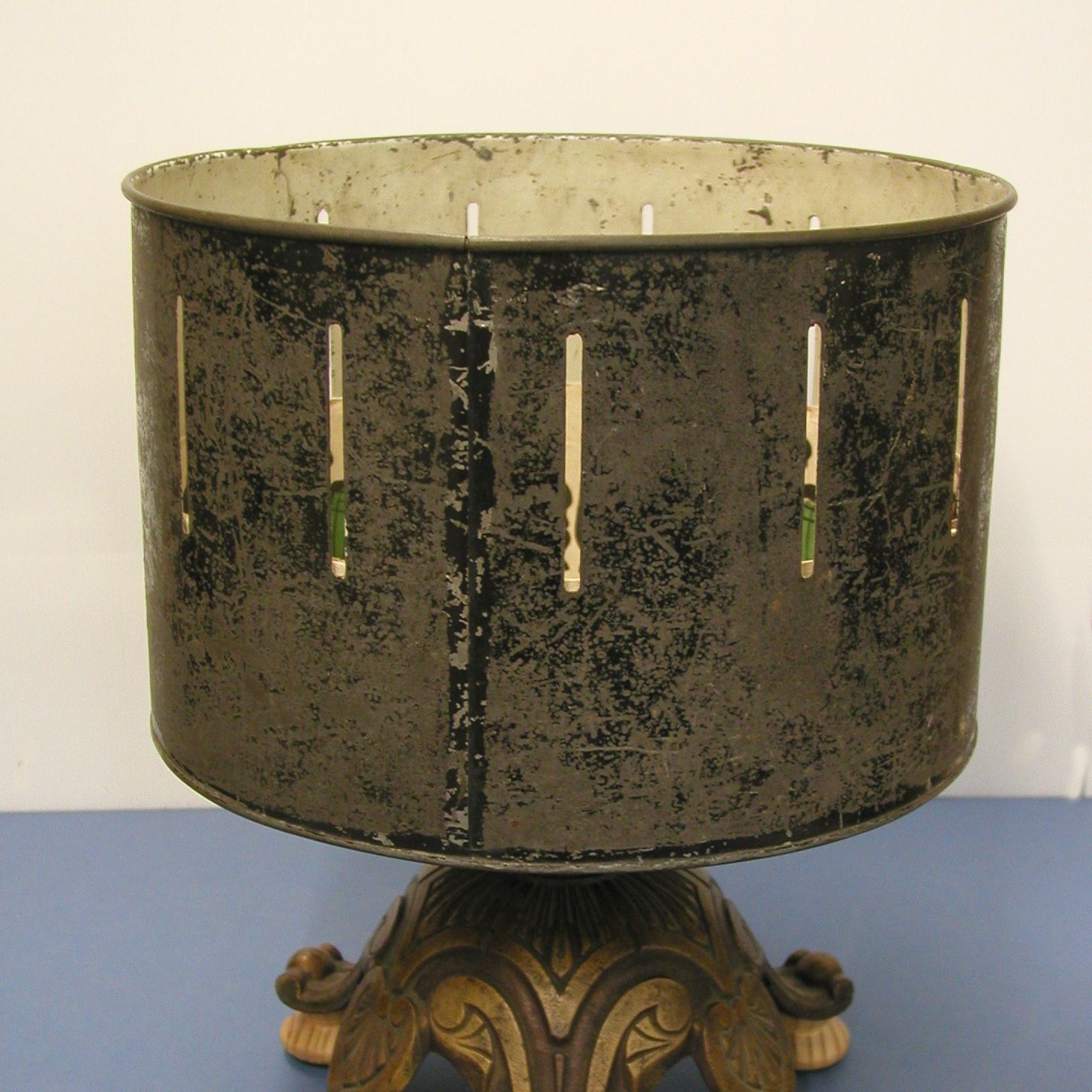
A wheel turns and a pair of shears opens and closes, although the machine is printed on paper. A surviving Victorian zoetrope and its picture strips reveal how much of the action had to be settled before anyone spun the drum.
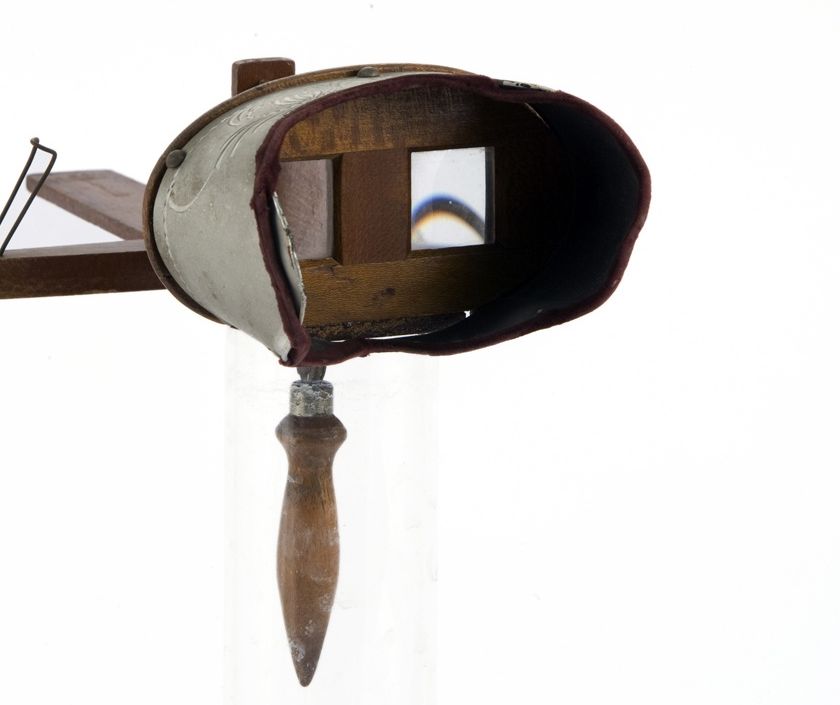
Around 1900, Underwood & Underwood offered a hundred stops through Ottoman Palestine without an ocean crossing. The stereoscope supplied depth; Jesse Lyman Hurlbut’s guide told the traveller where to stand, how to look and which past to imagine.
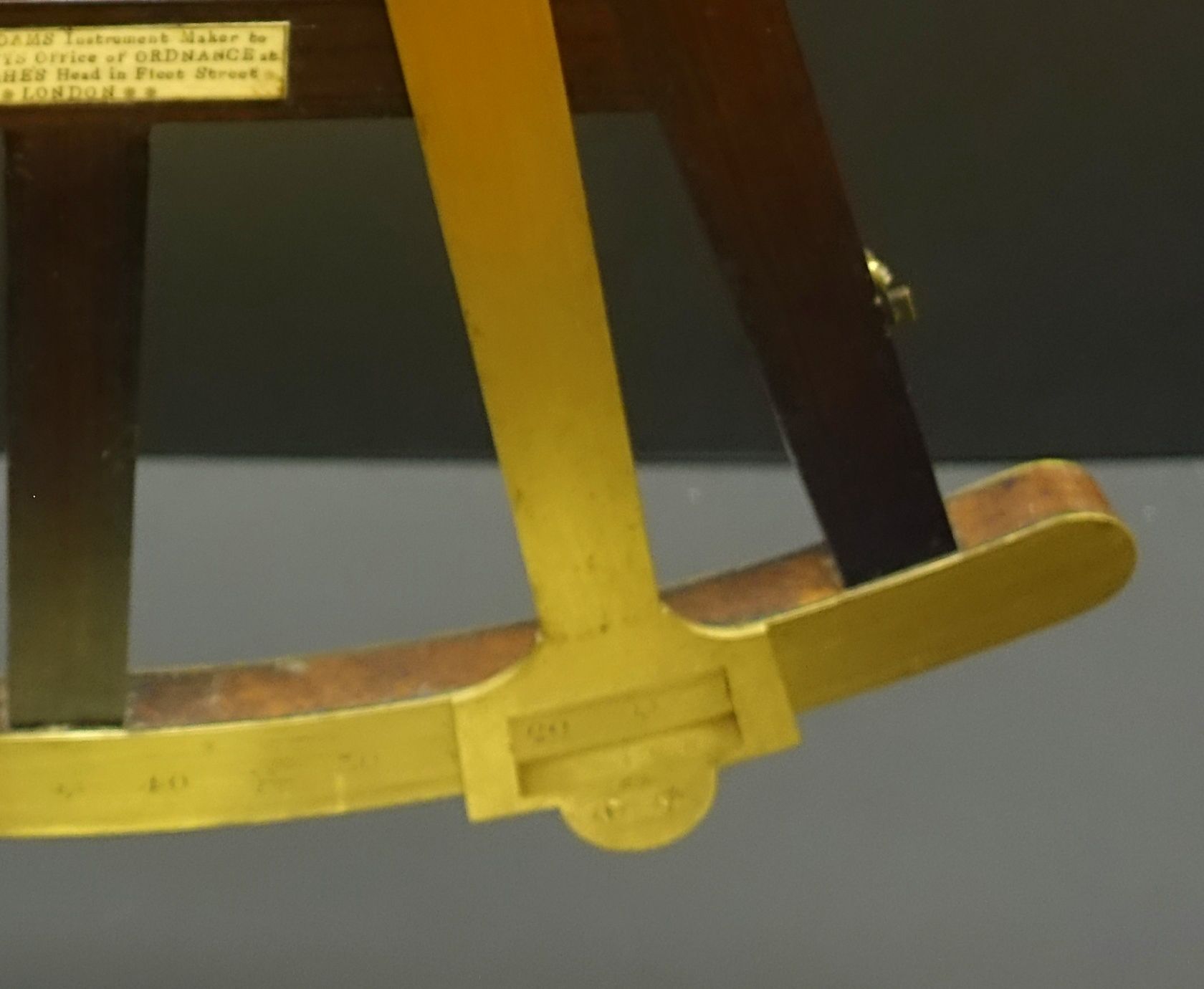
On a homeward voyage in 1762, Nevil Maskelyne measured the Moon against a star. His handheld quadrant supplied the angles; finding the ship’s longitude required a watch, tables and a considerable amount of work afterwards.
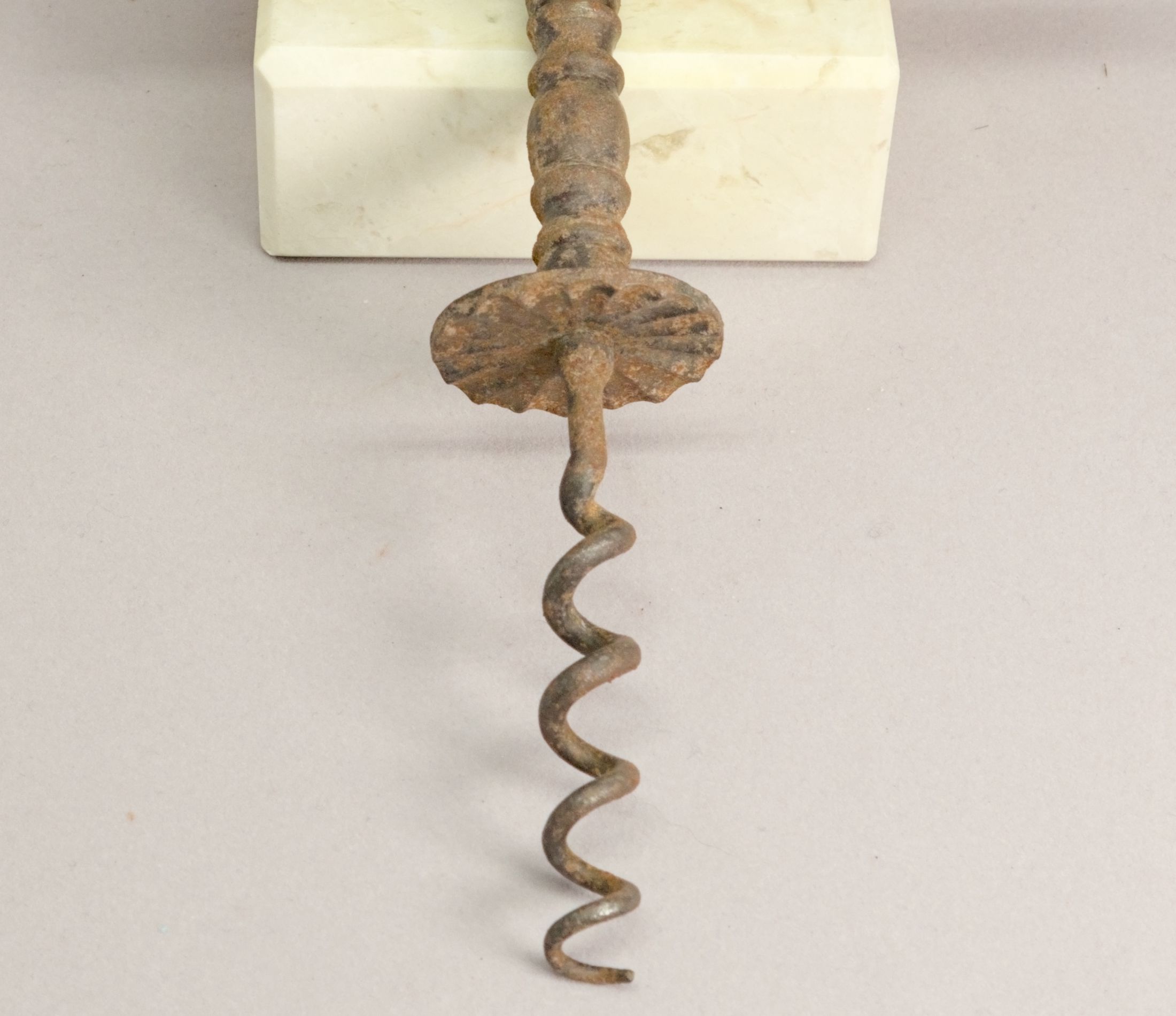
Samuel Henshall gave a familiar corkscrew one extra task before the upward pull. Getting his idea made at Soho brought the clergyman into another difficulty: paying his share.
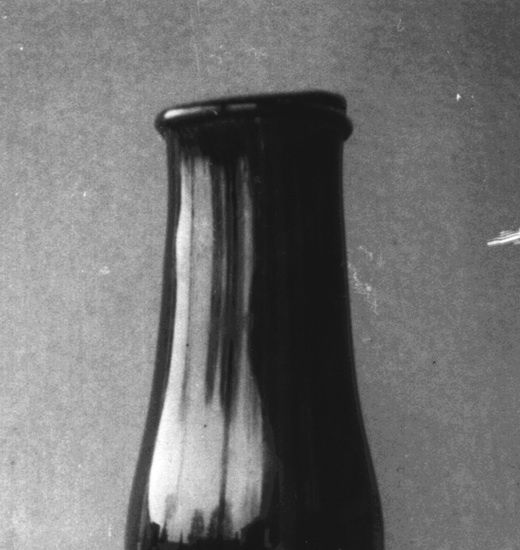
Nicolas Appert’s preserved peas could be mistaken for a fresh crop. Behind that result lay custom bottles, expensive corks and a long campaign to win other people’s trust.
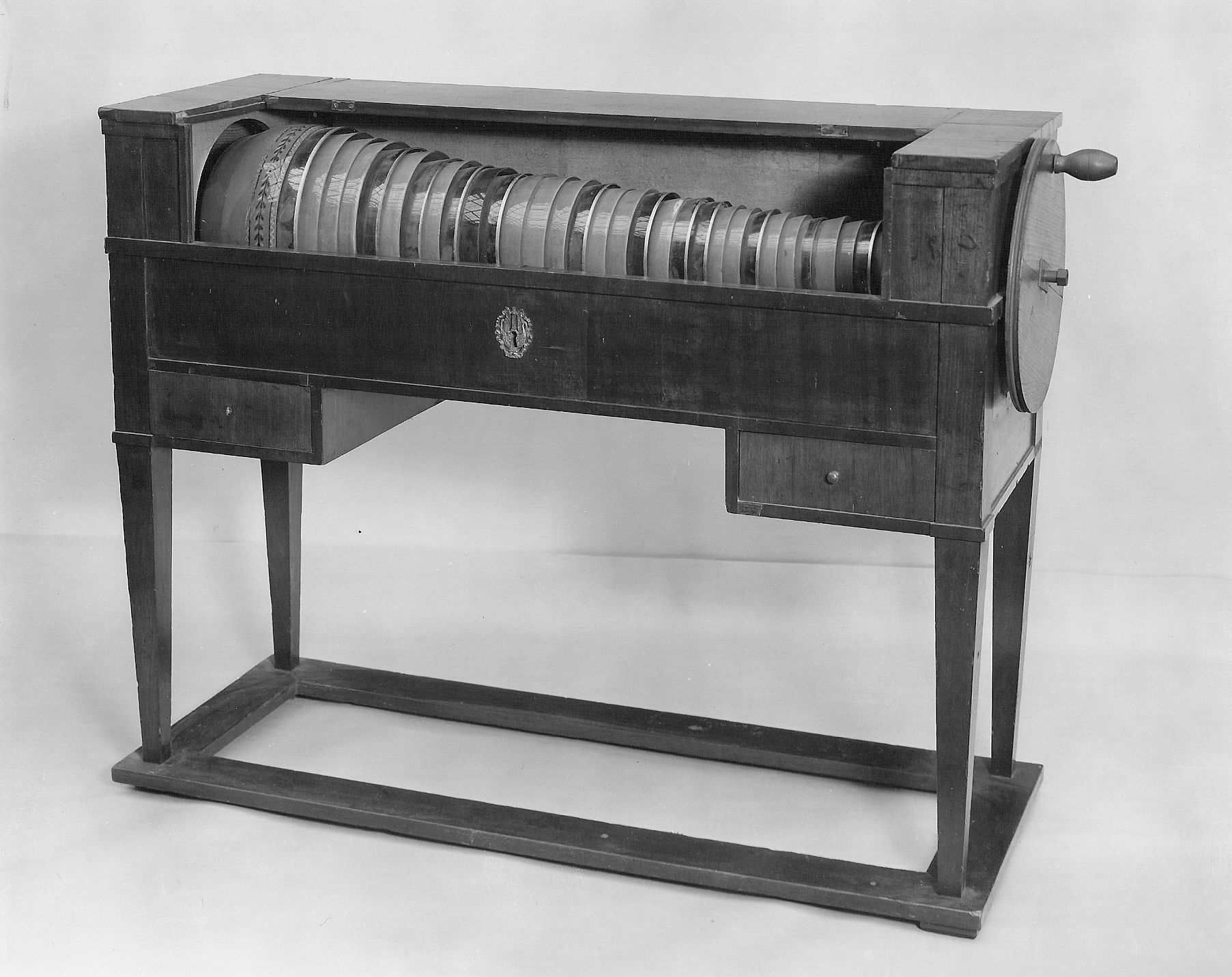
Benjamin Franklin brought spinning glass bowls within reach of two hands. Marianna Kirchgässner turned that possibility into a career, with music by Mozart and a new instrument made for her in London.
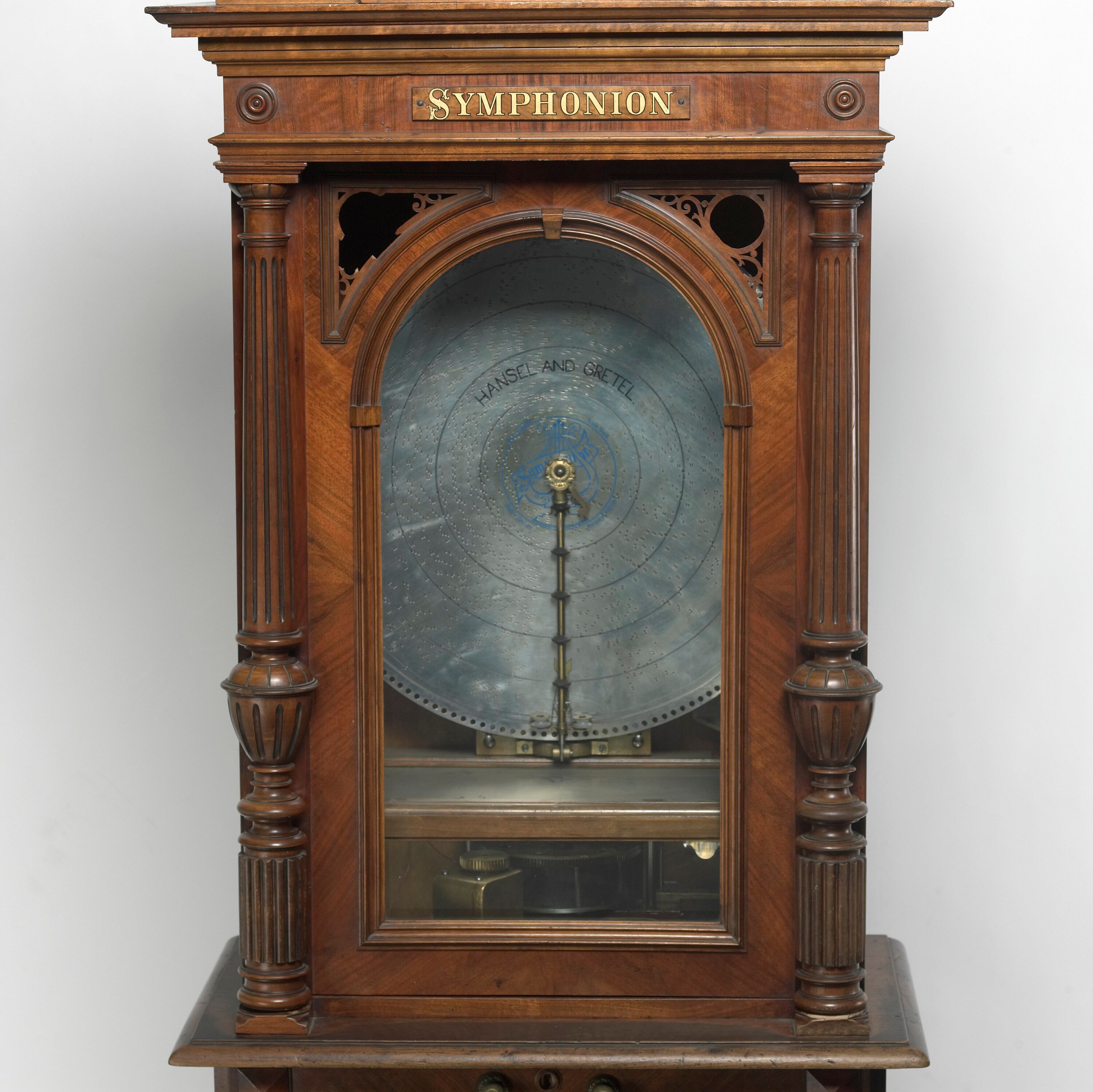
Around 1889, a Melbourne bookseller's music department ordered a German Symphonion. Customers paid a penny to set it playing; changing the tune meant opening the cabinet and lifting out a large steel disc.
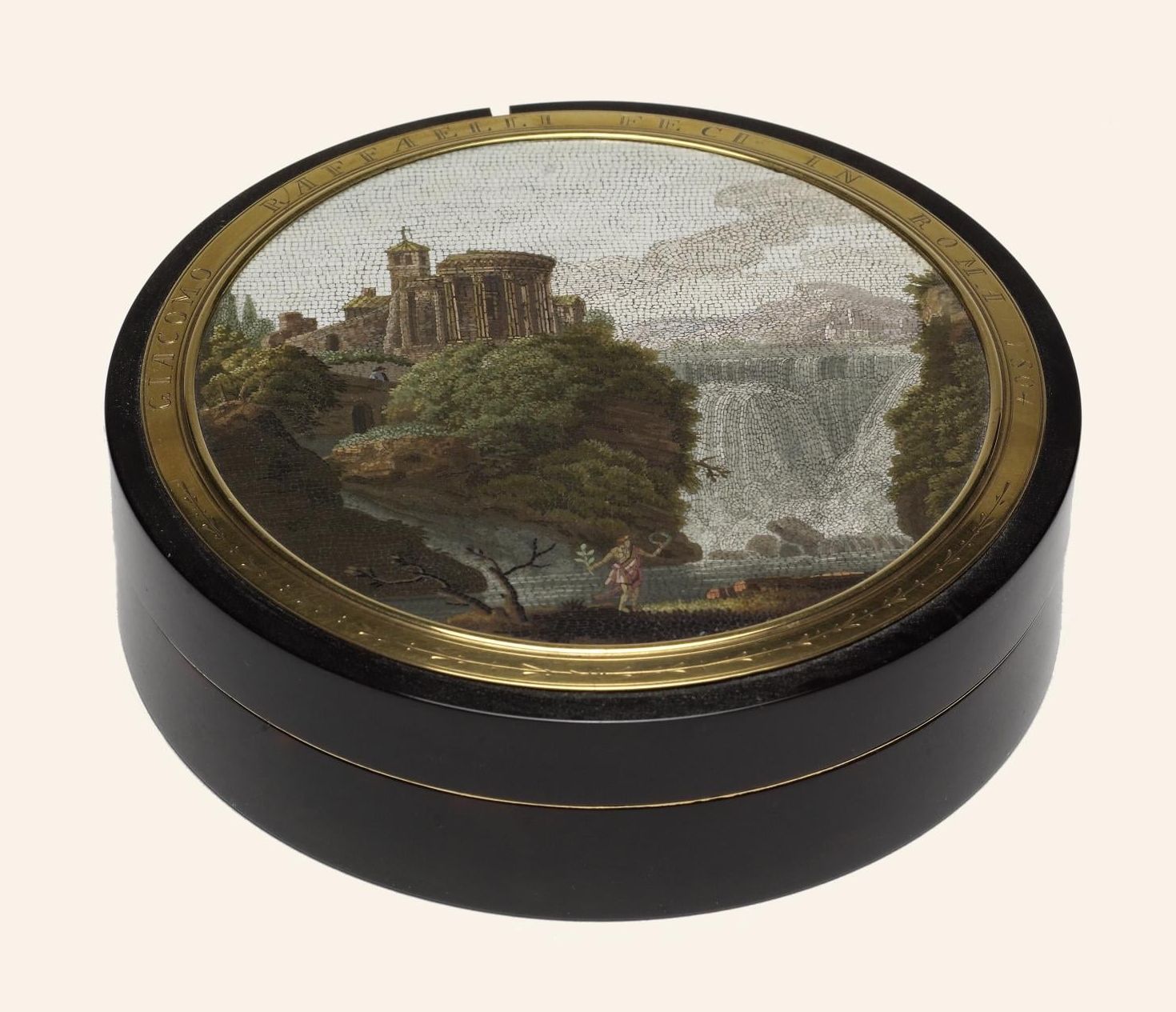
Giacomo Raffaelli rebuilt an ancient Roman favourite in a circle of glass just twelve centimetres wide. His doves belonged to a trade that let travellers take the city's monuments home, one tiny piece at a time.
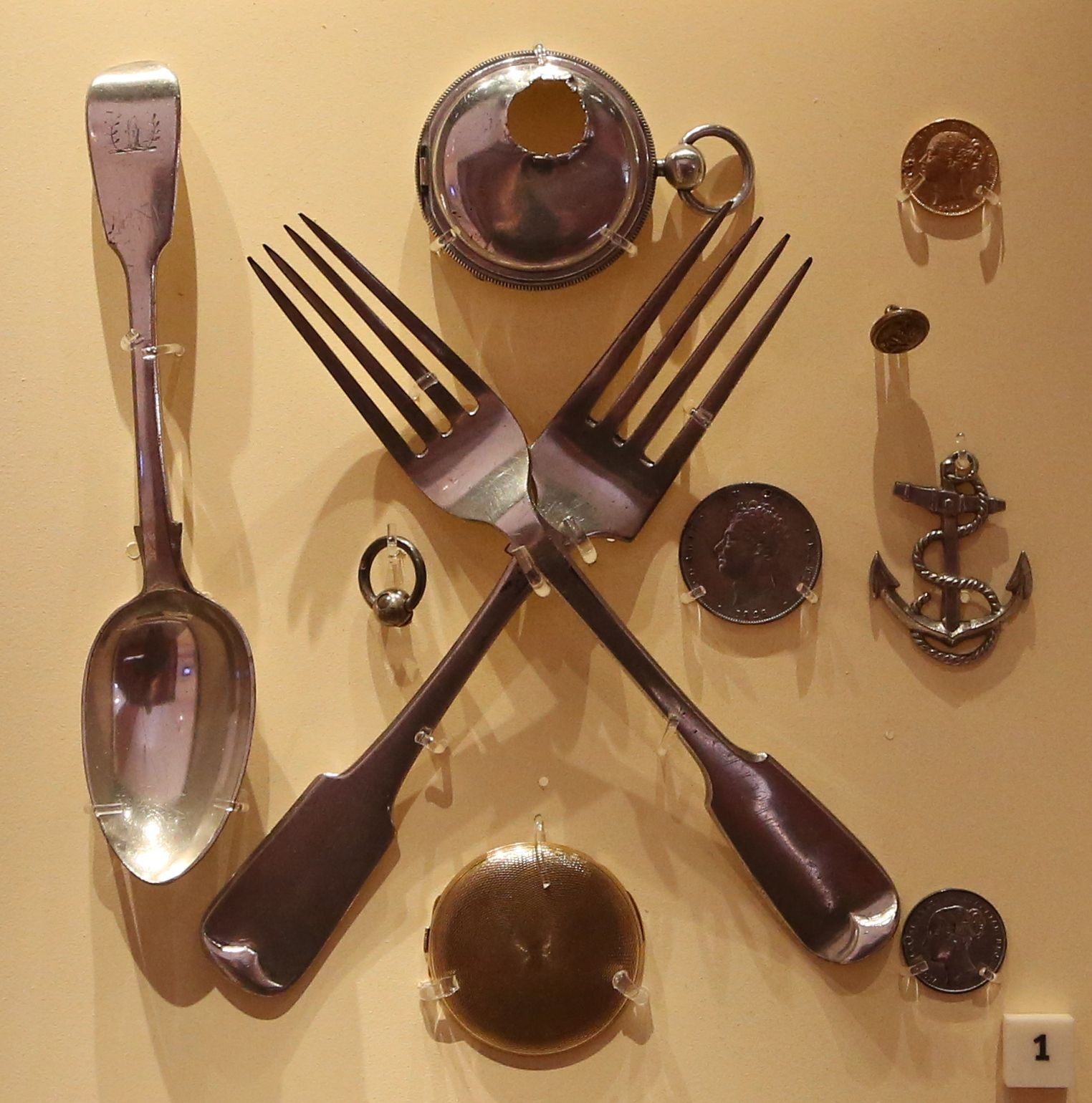
Silverware helped John Rae connect Inuit reports to Franklin's missing expedition. In Britain, a critic thought the same forks and spoons made the story harder to believe.
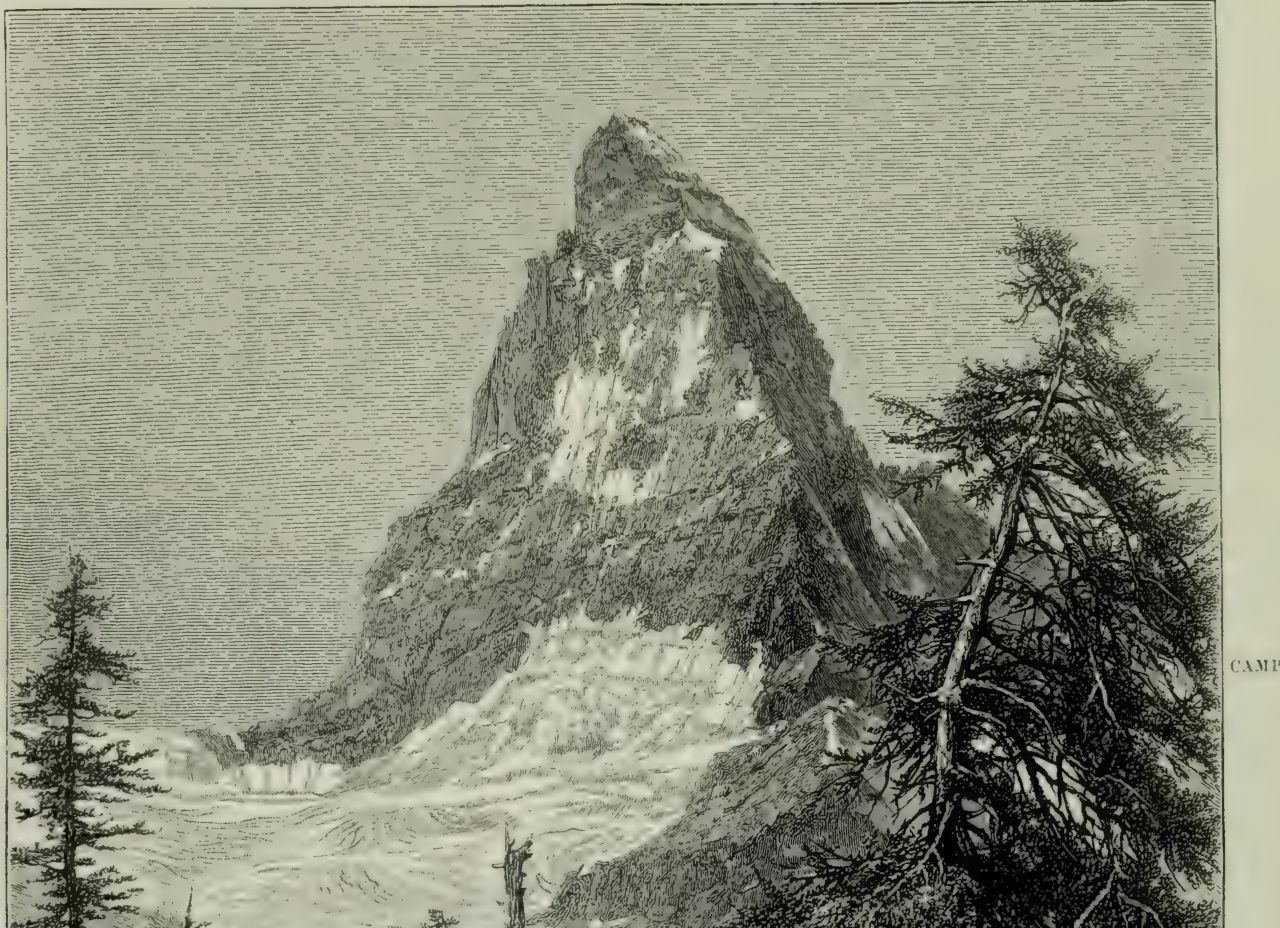
Edward Whymper's drawings helped him question the Matterhorn's apparent steepness. Reaching its summit in 1865 required guides to test the mountain at close quarters; explaining the descent would prove harder.
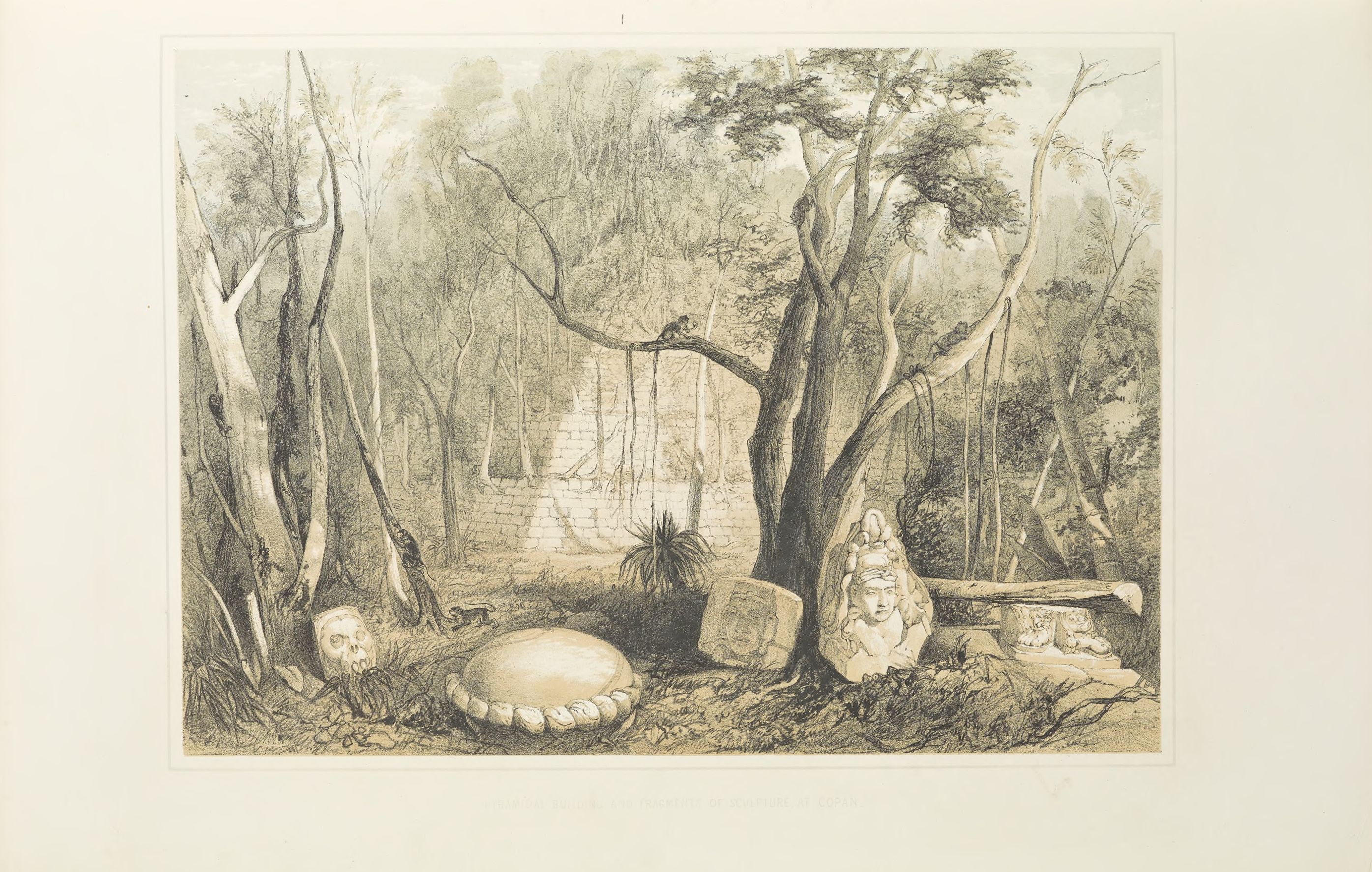
Frederick Catherwood's Copán prints began with cut vegetation, difficult light and the work of Bruno, Francisco and their neighbours. Getting the carvings onto paper was only the first stage in making the ruins into a picture.
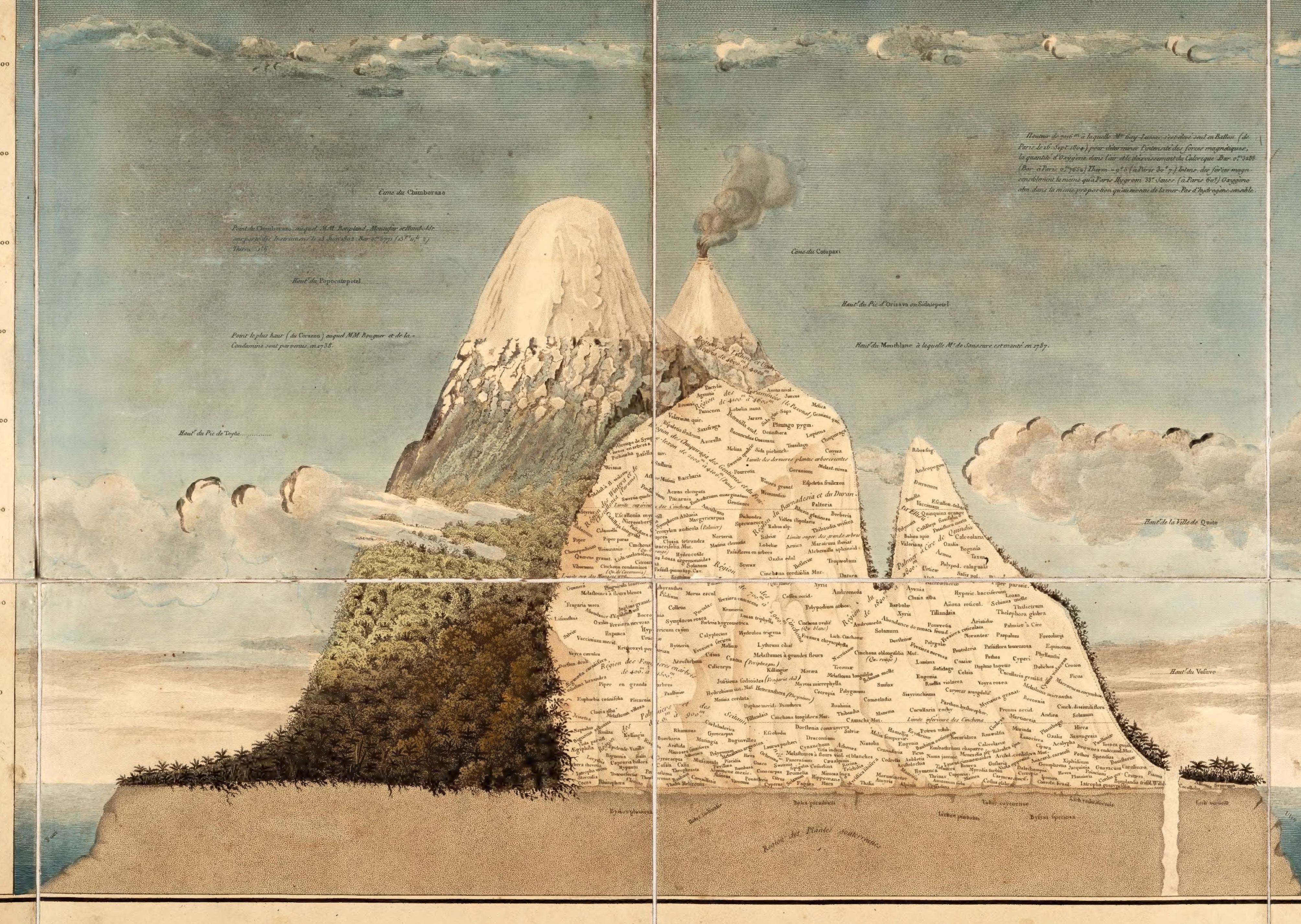
Humboldt and Bonpland's famous plant-geography plate gathers the equatorial Andes into a single mountain view. Making it meant moving a volcano, calculating heights and fitting a journey's unfinished knowledge onto one sheet.
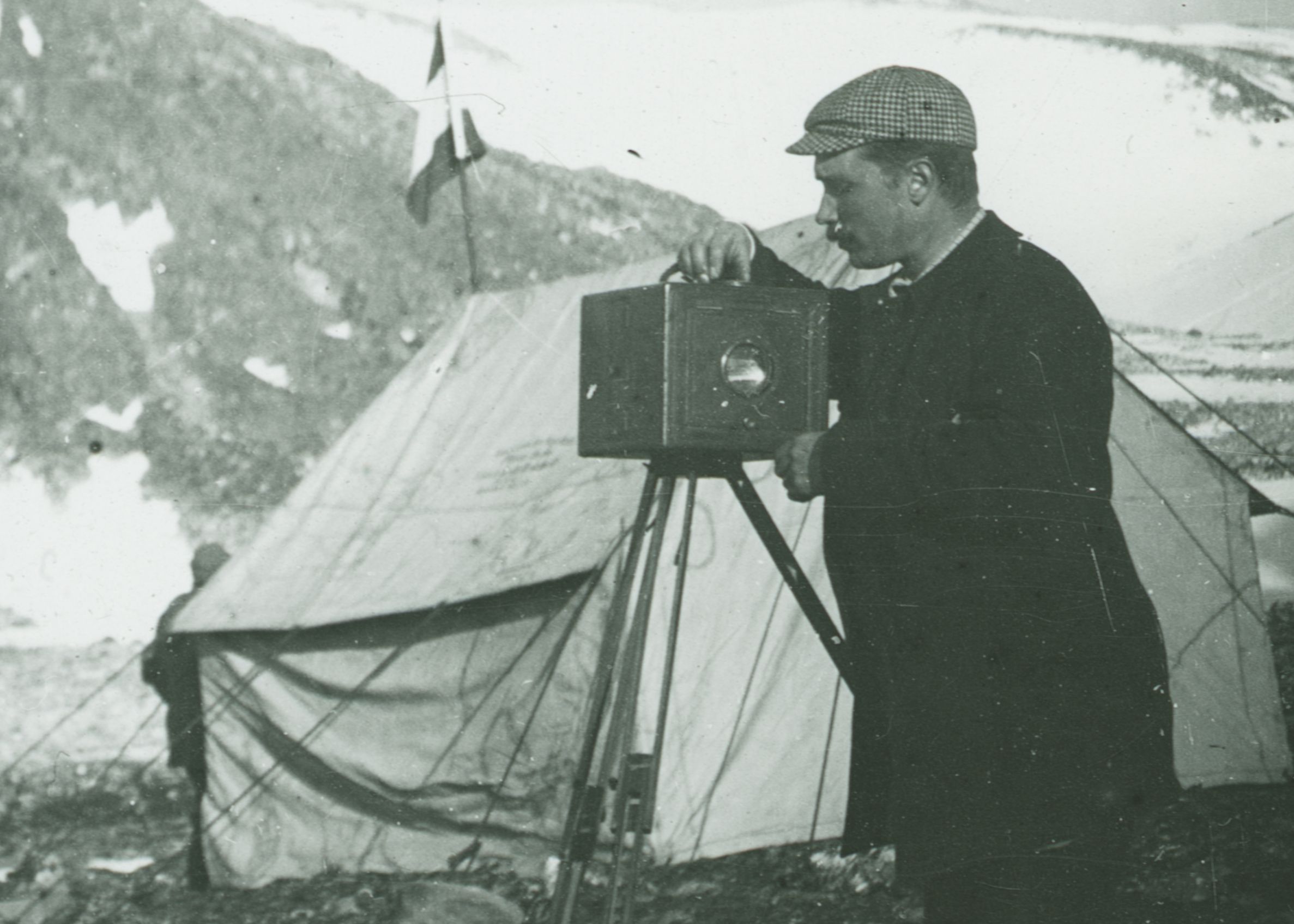
Nils Strindberg took his camera onto the Arctic pack ice in 1897. No one from the expedition returned to develop the film. Thirty-three years later, John Hertzberg had to find a way to turn the damaged rolls into pictures.
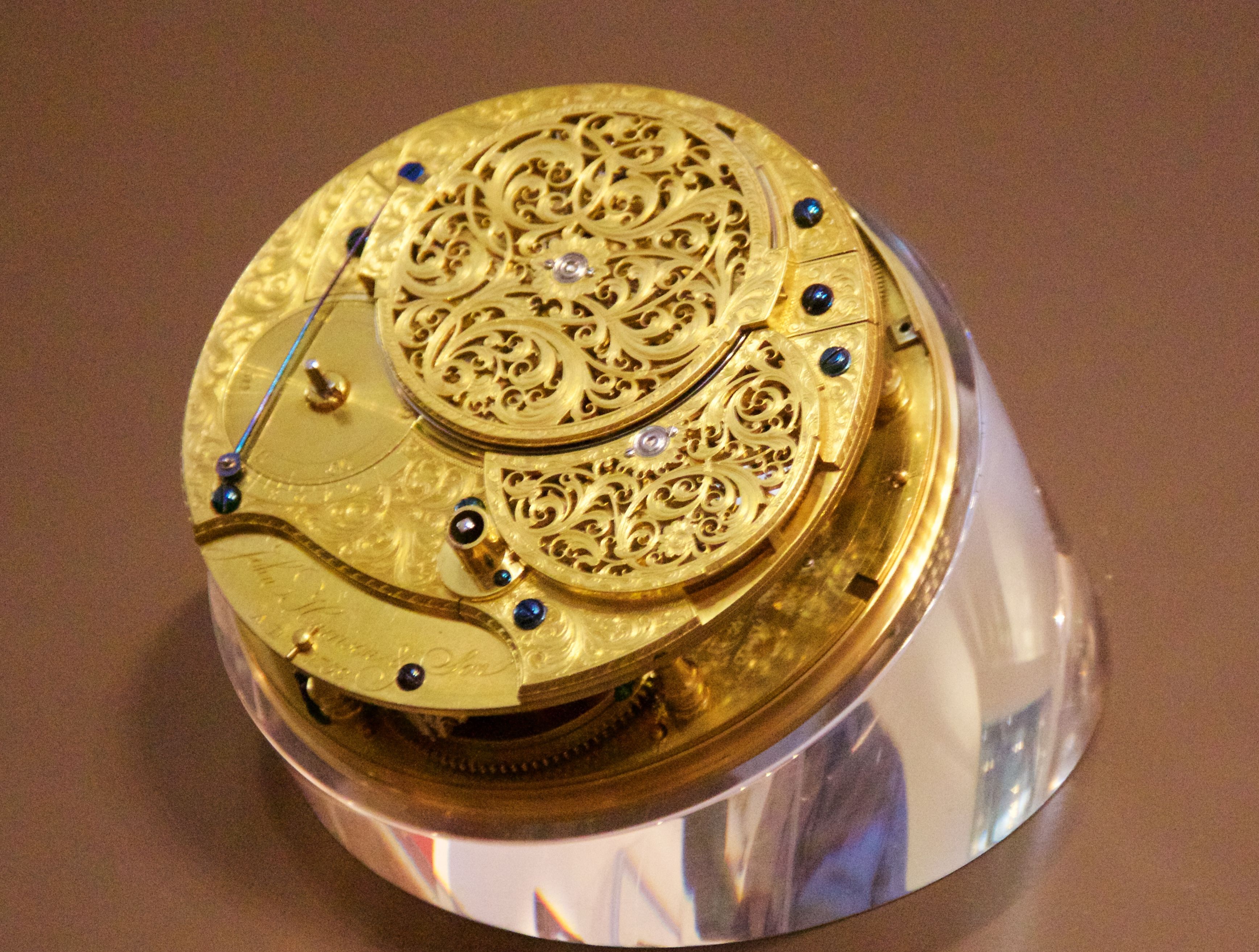
John Harrison spent years making large clocks for the sea. A watch made by John Jefferys helped him change direction. Inside H4, four springs and a fast-moving balance carried the experiment across the Atlantic; explaining it to other makers required another kind of work.
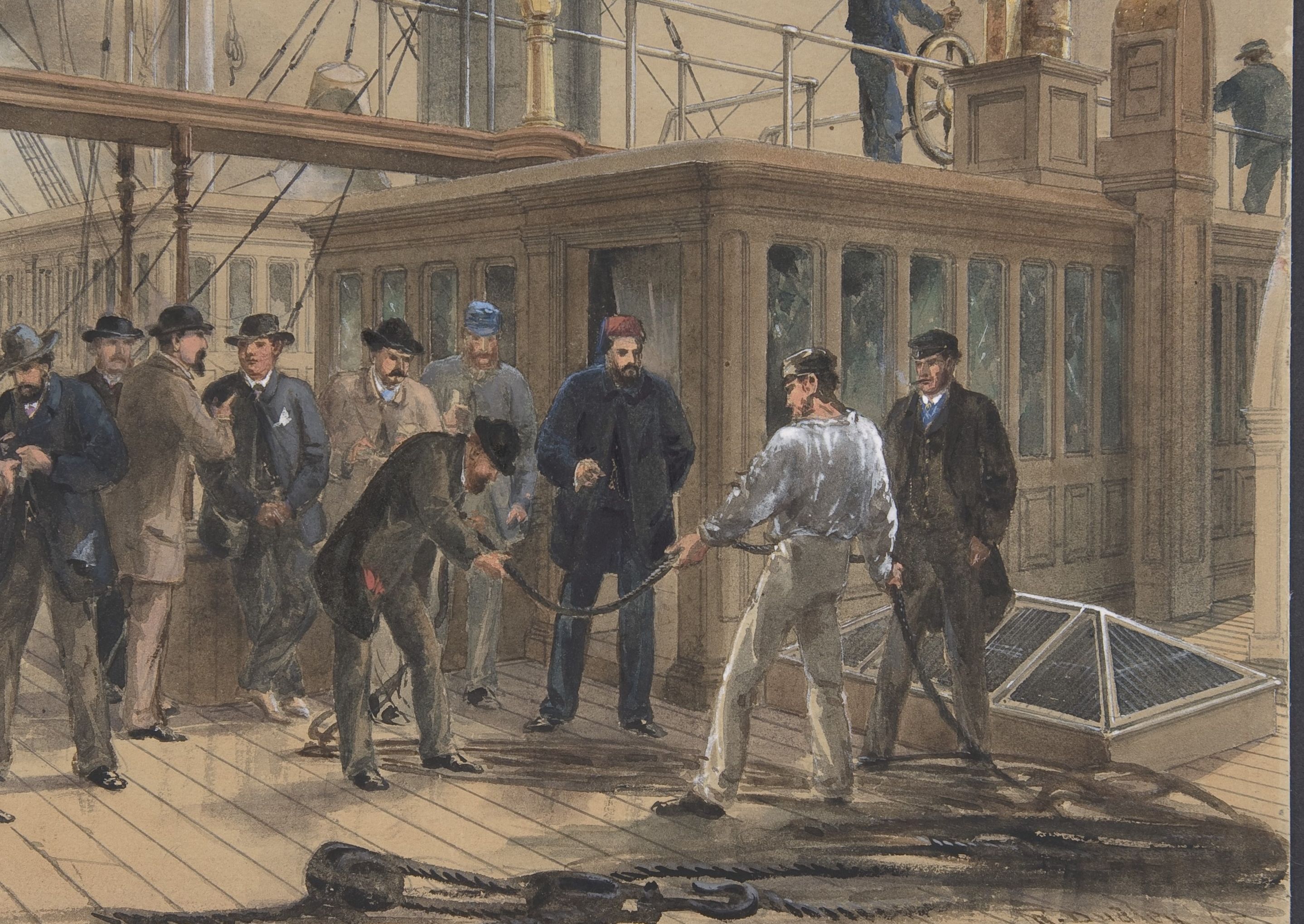
In 1865, a wire driven through an Atlantic telegraph cable put the men aboard Great Eastern under suspicion. The search for its cause led back through the cable's carefully assembled layers.
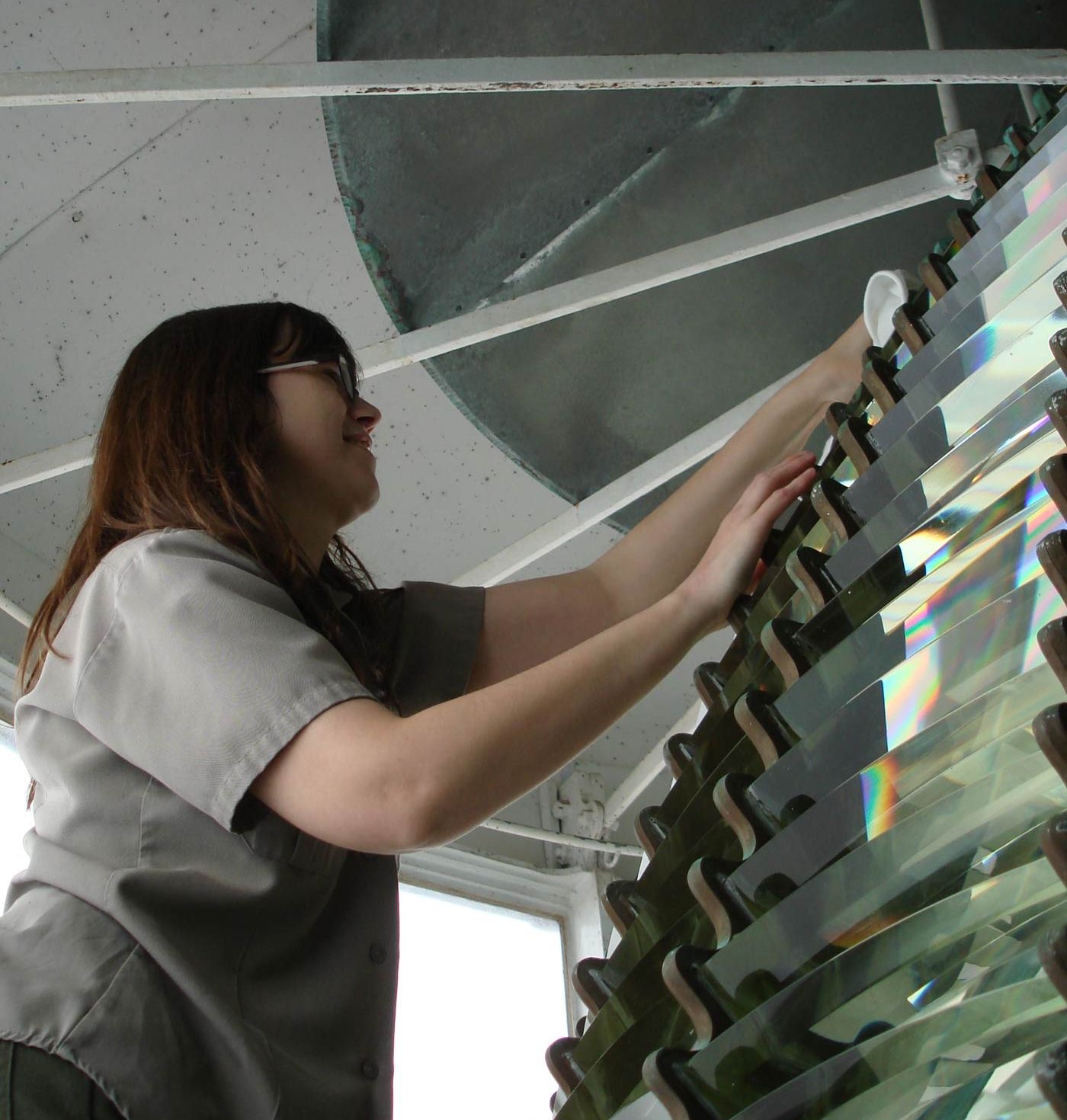
The Fresnel lens at Point Reyes sent a white flash across the Pacific every five seconds. Keeping that signal in order meant tending a lamp, winding a clock and repairing a station perched below a California headland.
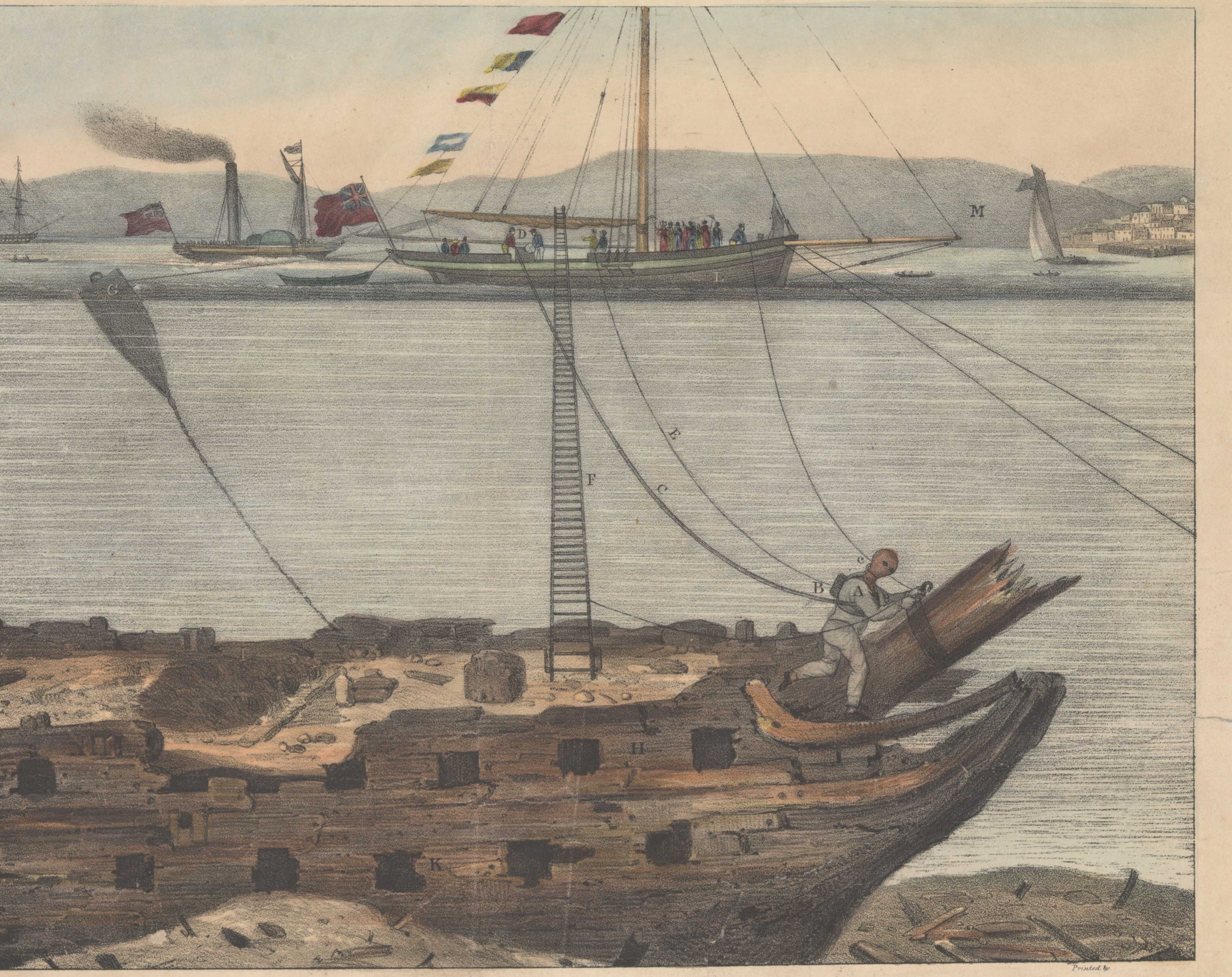
At the wreck of HMS Royal George, a diving helmet opened a new workplace. The men below earned their pay in the intervals between strong currents; the men above kept their air, signals and heavy loads moving.
In 1816, John Hodgson sent Humphry Davy news of the safety lamp underground. The miners had objections, the maker had alterations, and some of the lamps were already back for repair.
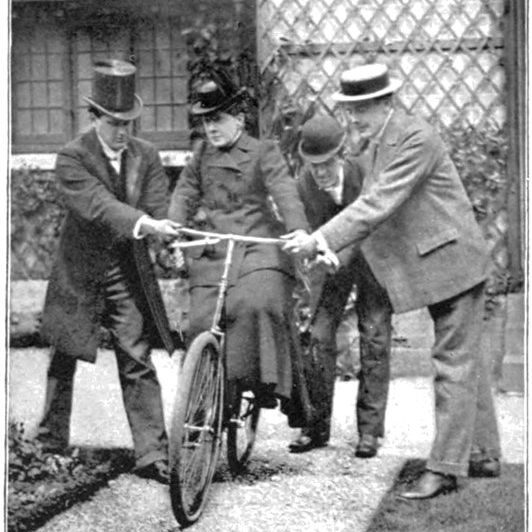
Chain gearing and pneumatic tyres had brought cycling within reach of new riders. Frances Willard, learning at fifty-three, found that a safety bicycle still left something to master.
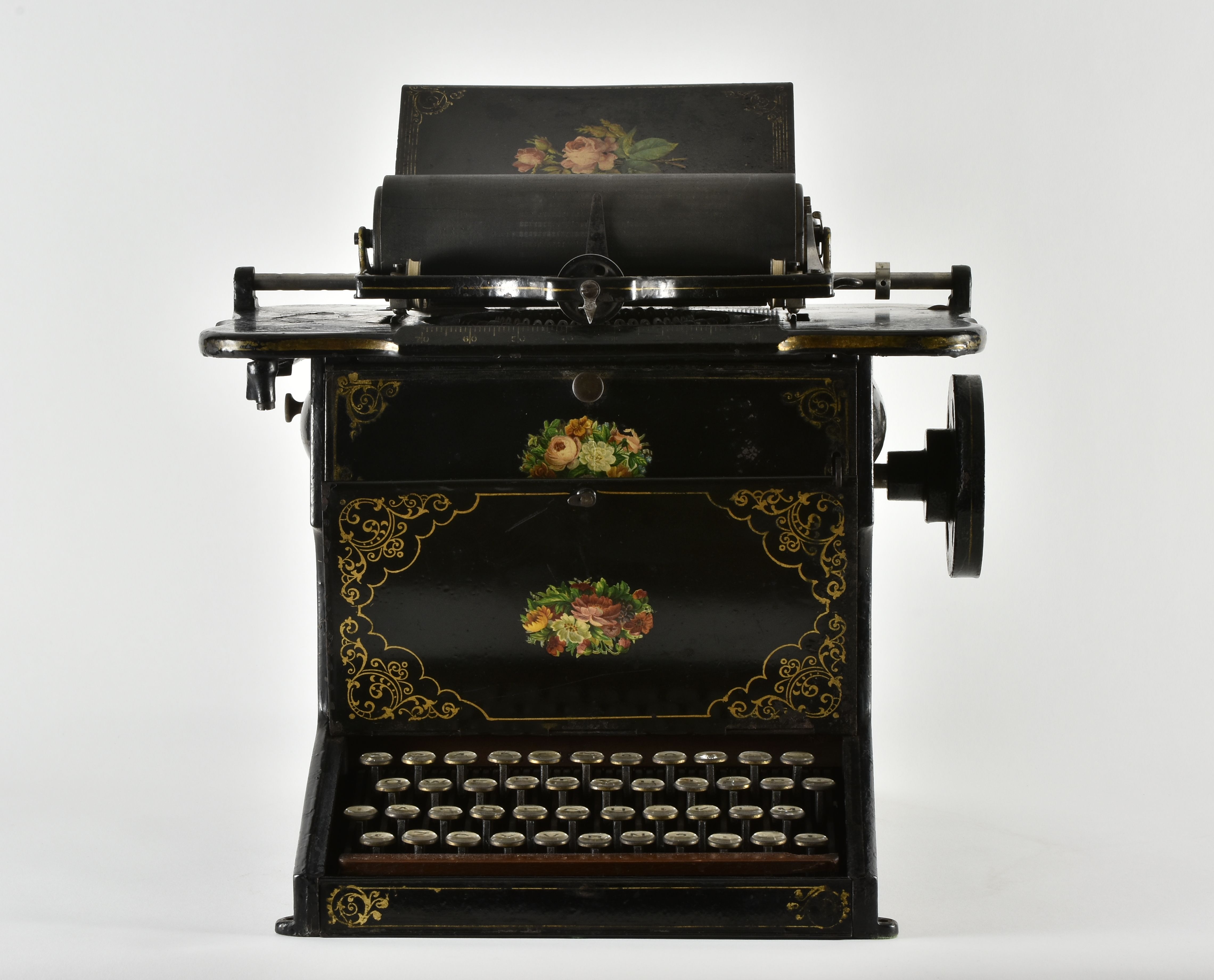
Charles Weller tried to use Sholes's experimental typewriter for paid work. Between jammed letters and handwritten transcripts came a succession of promises that the machine was finally ready.
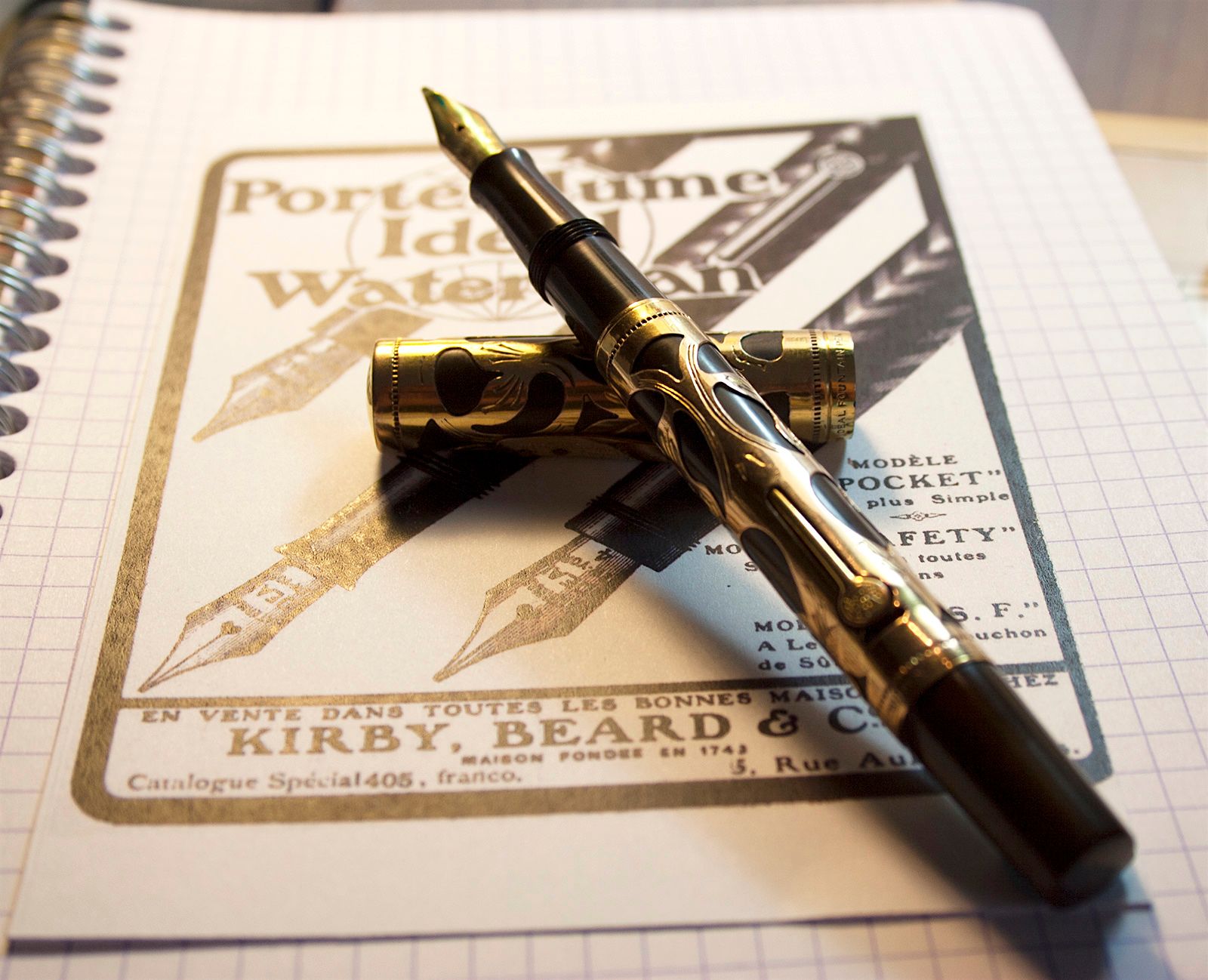
Waterman gave buyers thirty days to judge his fountain pen. His instructions explained how to carry the ink, keep it flowing and recognise when the pen needed another visit to the maker.
Breguet’s one-hand pocket watch simplified the machinery and changed how customers paid for it. A large dial, a repairable movement and a quarter of the price in advance formed the bargain.
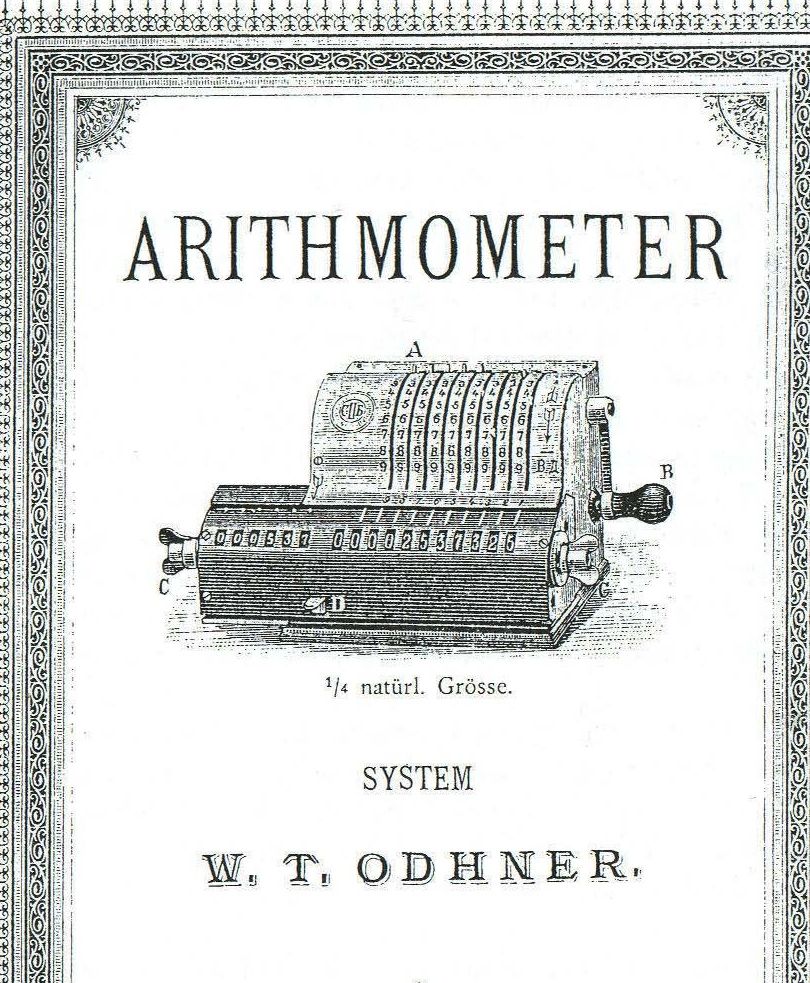
Willgodt Odhner promised reliable arithmetic in a small machine. His instructions reveal the turns, shifts and corrections that still belonged to the person holding the crank.
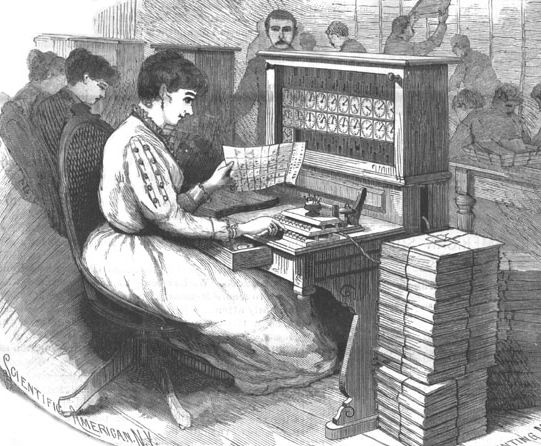
Herman Hollerith’s electrical machines helped process the 1890 United States census. At every press, a clerk still had to turn a punched card into a number—and decide what to do when the bell stayed silent.
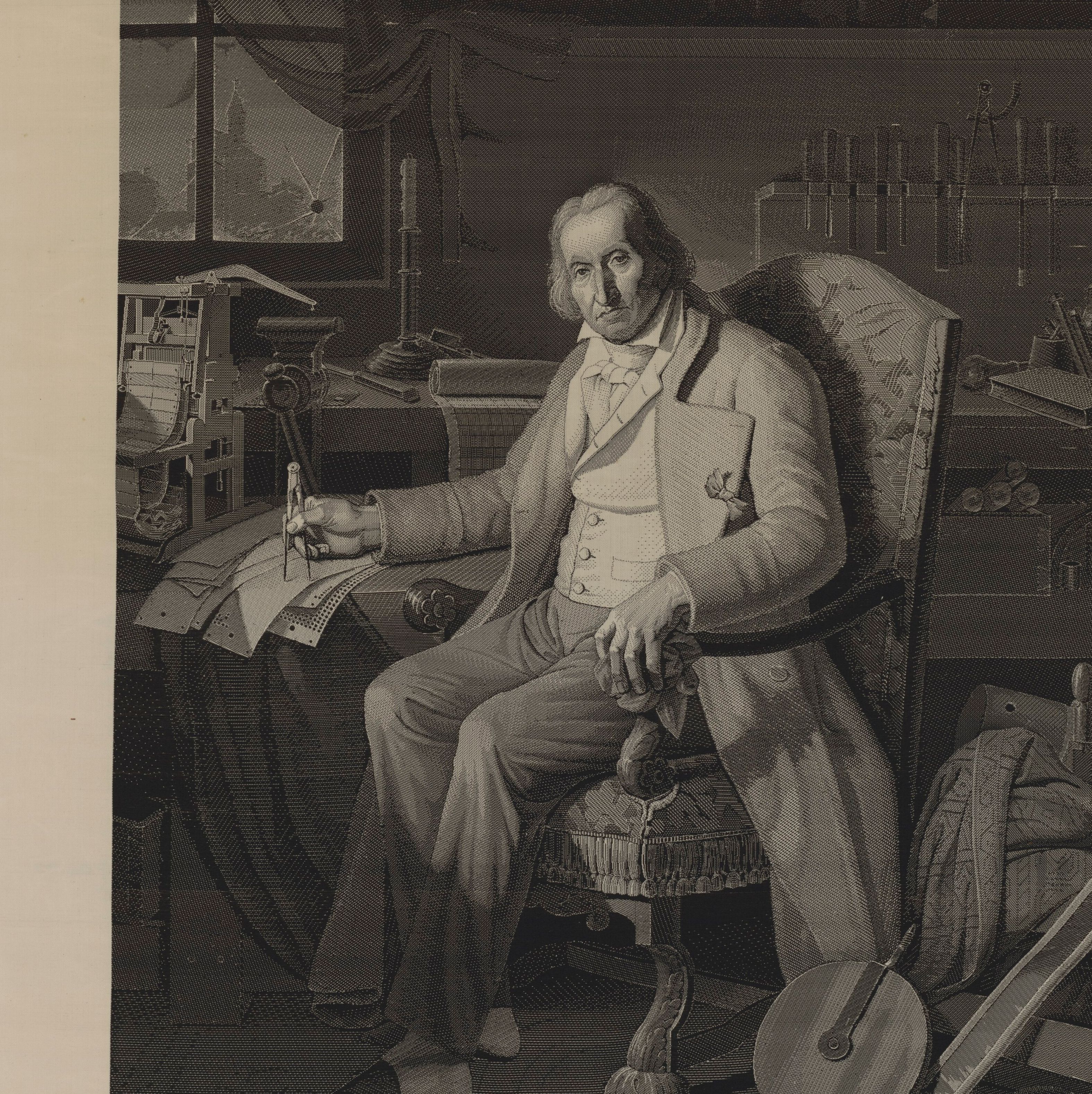
A silk portrait of Joseph-Marie Jacquard was made to impress Paris. The work passed from painter to technical designer to weaver, but the names beneath the image did not tell the whole story.
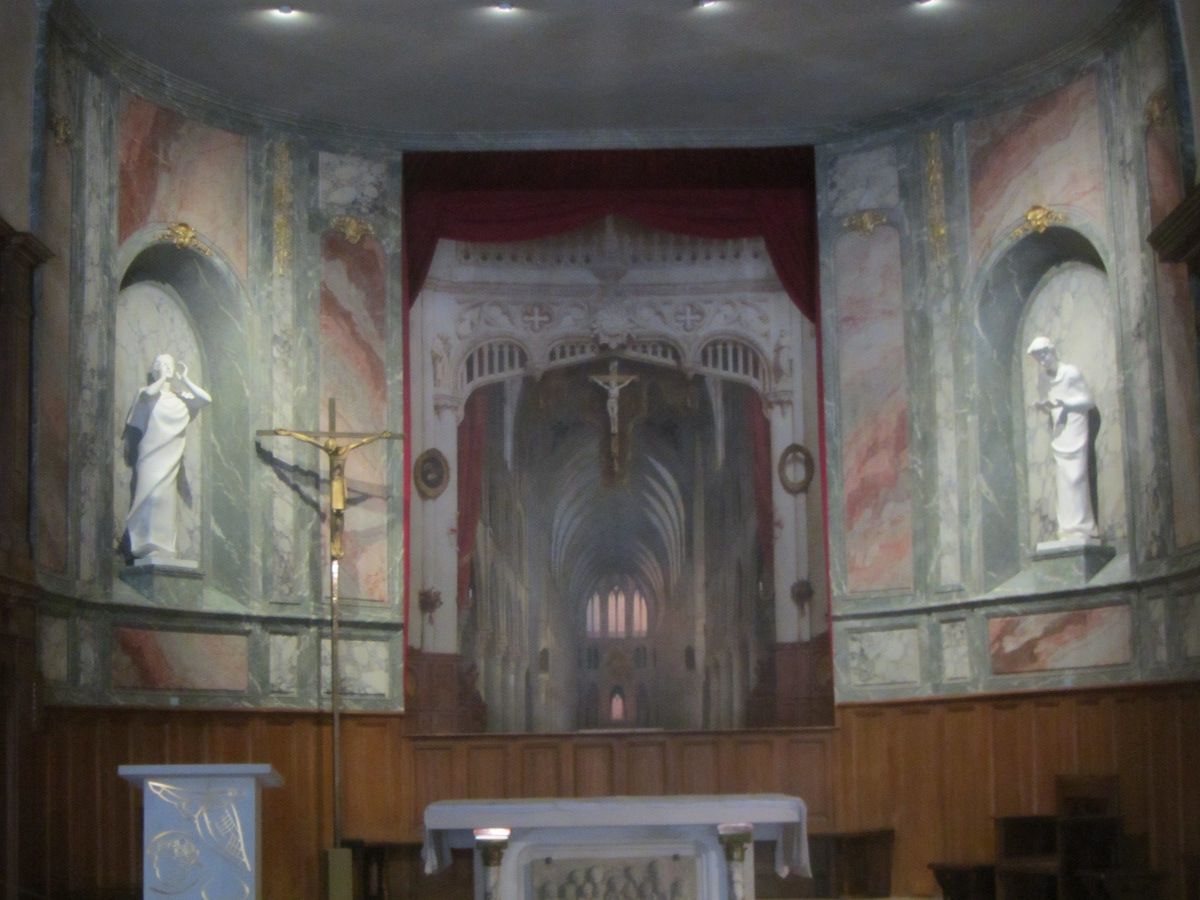
Louis Daguerre's diorama brought theatrical illusion into a village church in 1842. A priest objected to the gathering spectators and the gloom. Later restorers faced a different problem: repairing the canvas without blocking the light.
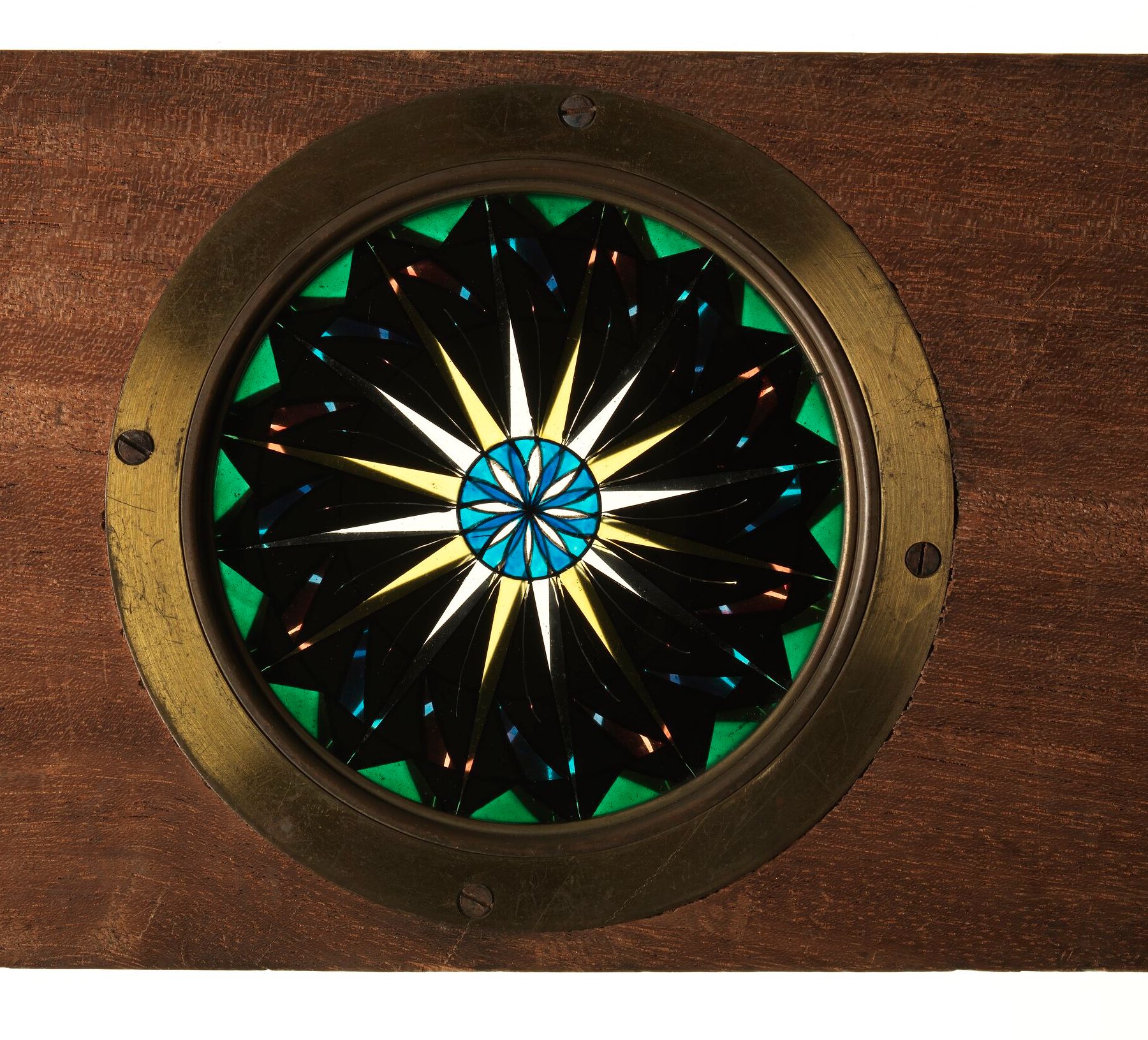
Mechanical magic-lantern slides made painted figures move and coloured patterns revolve. In Adelaide in 1848, Henry Kesterton's ambitious show depended on a lecturer, a limited supply of gas and an agreement that the two men remembered differently.
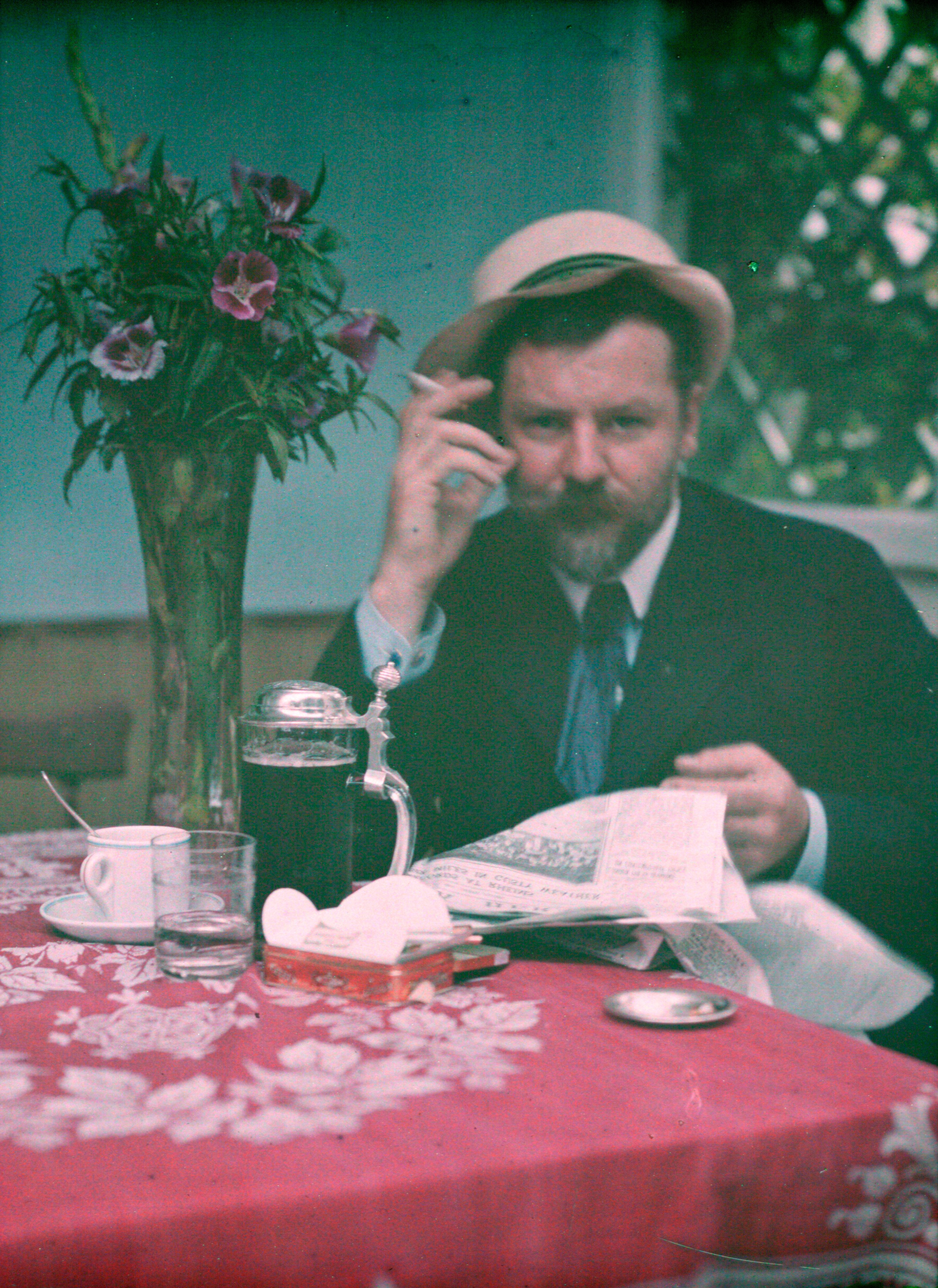
The Lumière Autochrome put colour photography inside a factory-made glass plate. Alfred Stieglitz's early experiments show how much still depended on the photographer, and on the temperature of the developing baths.
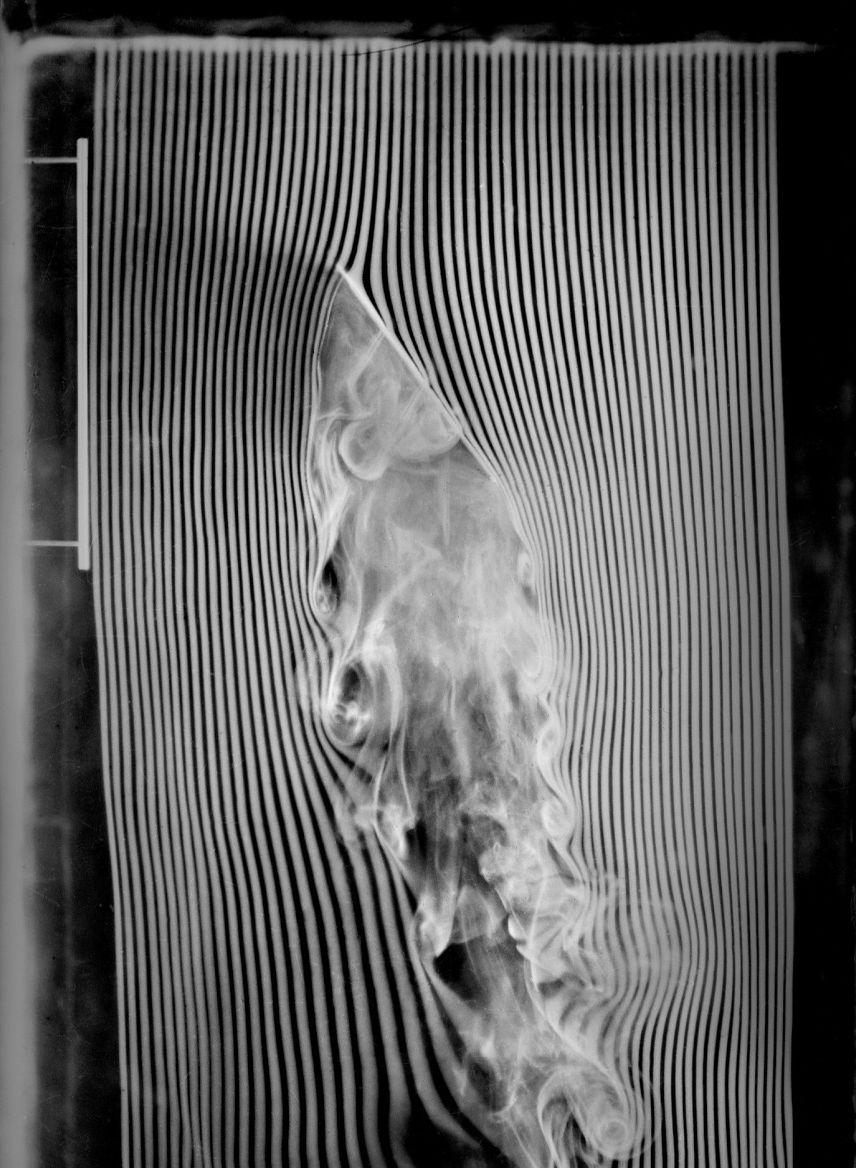
Étienne-Jules Marey filled a glass-fronted box with threads of smoke to study the air around a wing. Making the threads straight was difficult enough. To measure their speed, he had to give the photograph a clock.
John James Audubon sent his great white heron to London with instructions about everything from the sky to the scales on its feet. Robert Havell had to turn the drawing into a copper plate—and then into hundreds of pictures coloured by hand.
Wilson Bentley photographed snow crystals on his Vermont farm, keeping his room cold and his breath away from the slide. Making the familiar white crystal against black could take longer still: it required a second negative, a microscope and a very sharp blade.
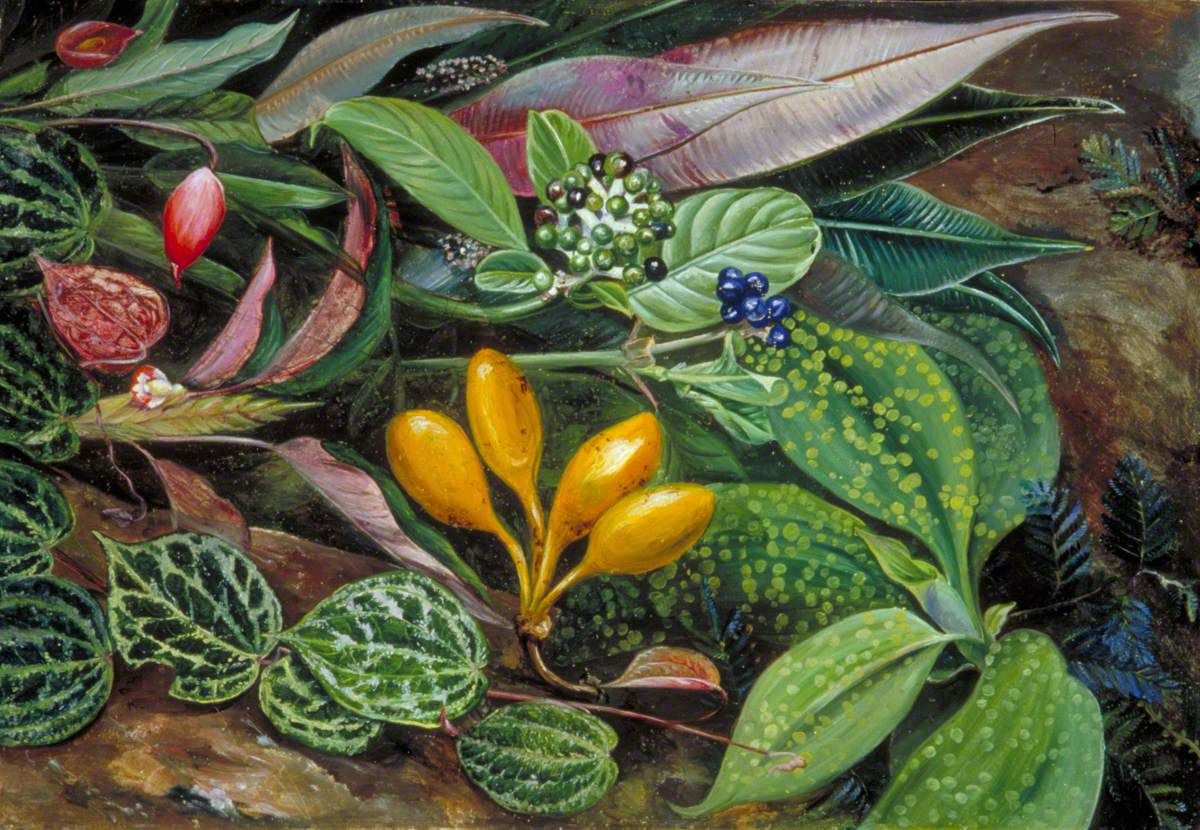
Marianne North went to Sarawak to paint tropical plants in their surroundings. Some she found in the forest; others arrived at her verandah. Behind the pictures were boatmen, hosts, collectors and a remarkable amount of carrying.
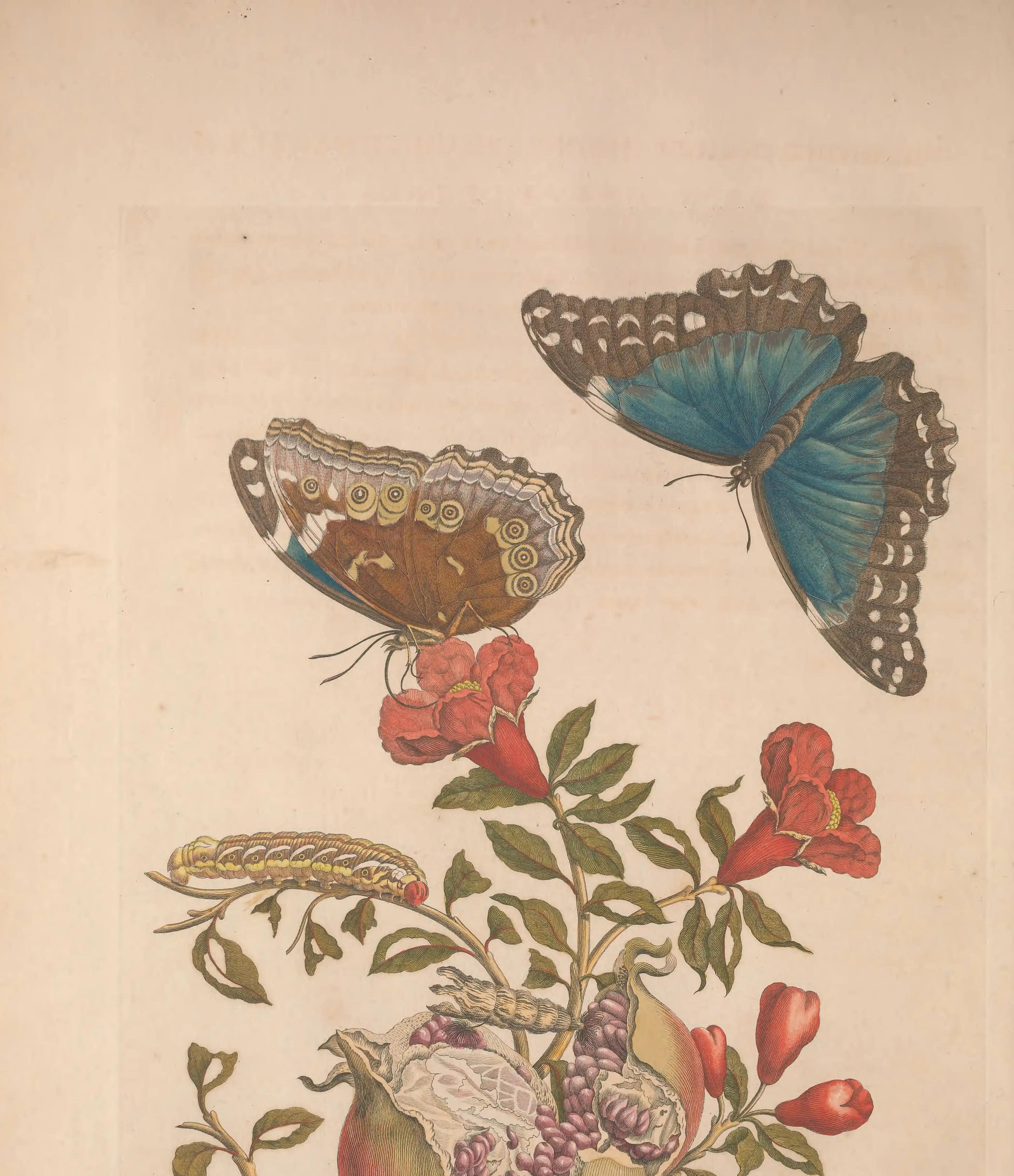
Maria Sibylla Merian’s pictures of Suriname began with the difficult business of keeping small animals alive. The leaves could fail, the wrong creature could emerge, and a beautiful plate could conceal a broken connection.
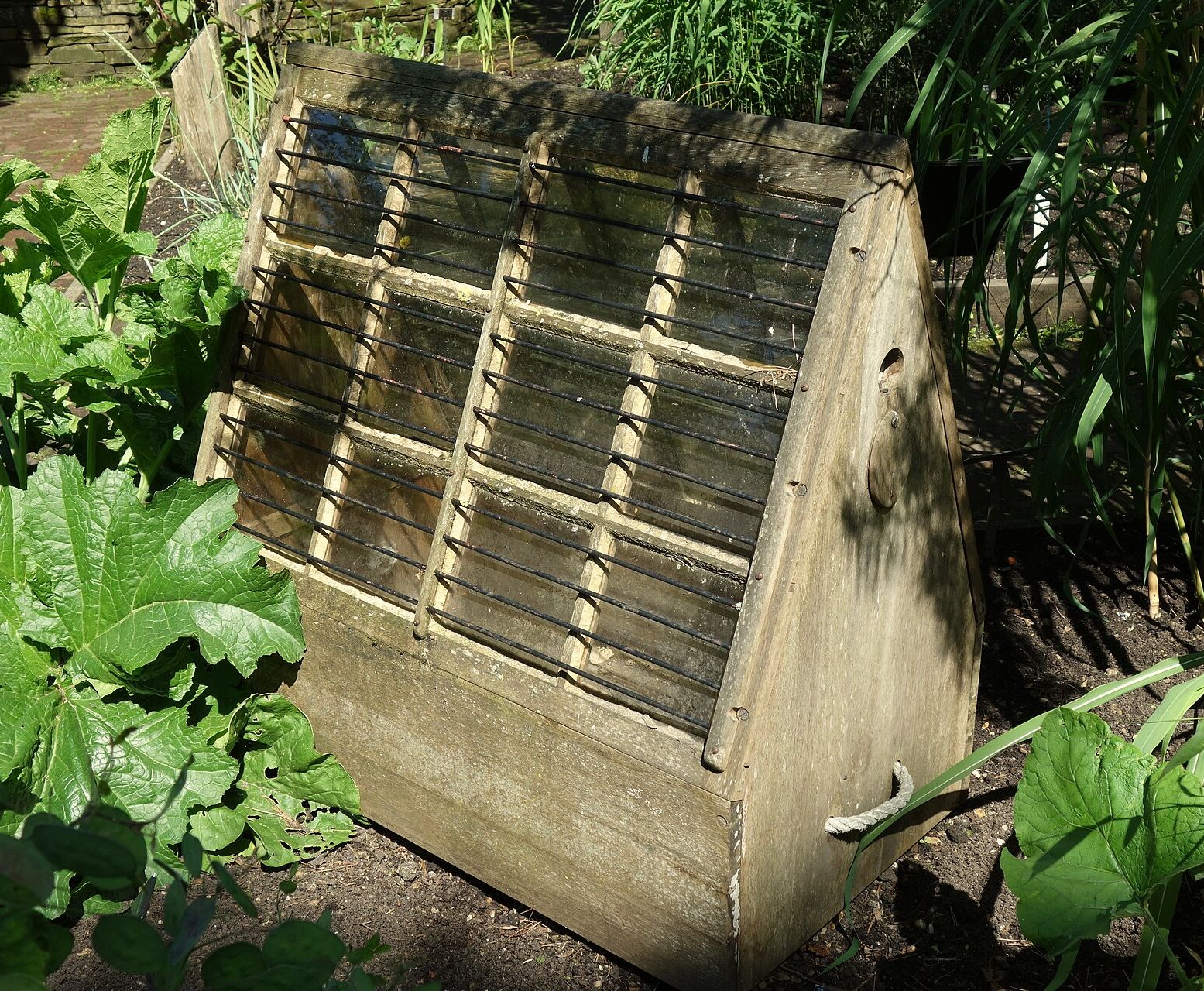
In 1833, two glass cases of plants set out for Australia. Their success depended on a good captain, careful packing and surprisingly little water. The Wardian case would carry valuable crops around the world, along with passengers nobody had ordered.
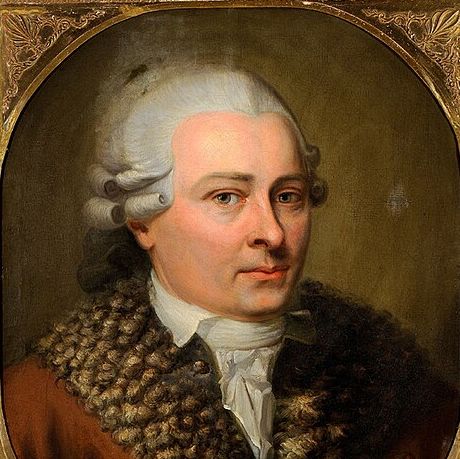
David Roentgen’s cabinets could command a room with springs, music and disappearing compartments. Winning an audience with Europe’s rulers required another set of mechanisms: introductions, travelling showpieces and carefully judged flattery.
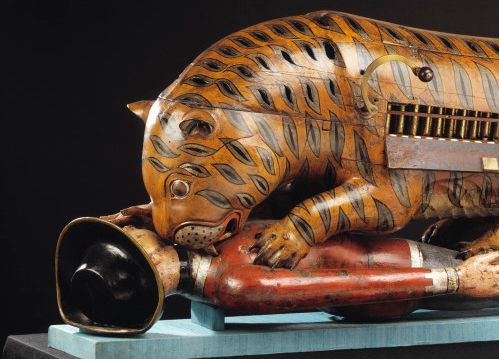
A wooden tiger could growl, make its victim cry and play music. Taken from Tipu Sultan’s palace in 1799, it became one of London’s most popular museum exhibits, and a nuisance to readers in the next room.
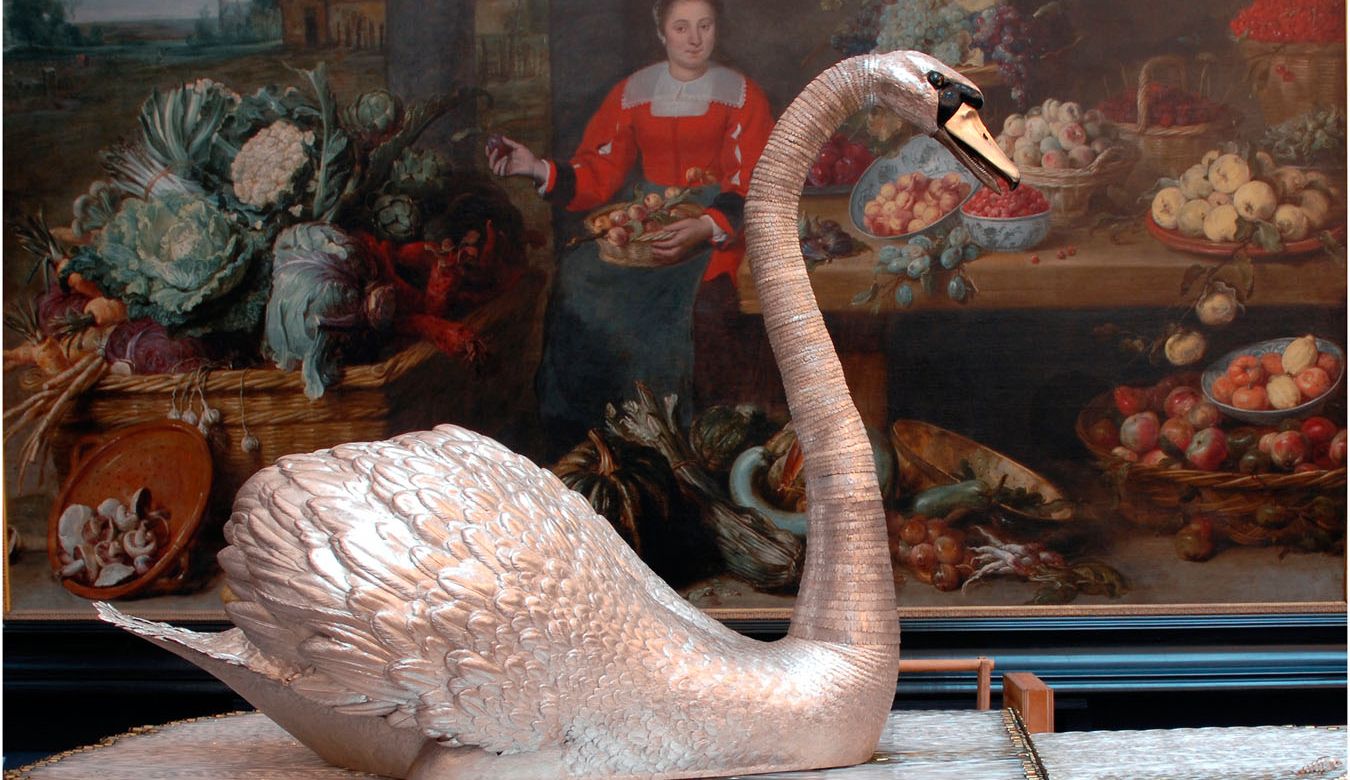
All seven fish remain after the Silver Swan has apparently swallowed one. The Bowes Museum’s bird has a concealed catch, an altered movement and a wooden understudy built to test how a silver neck should turn.
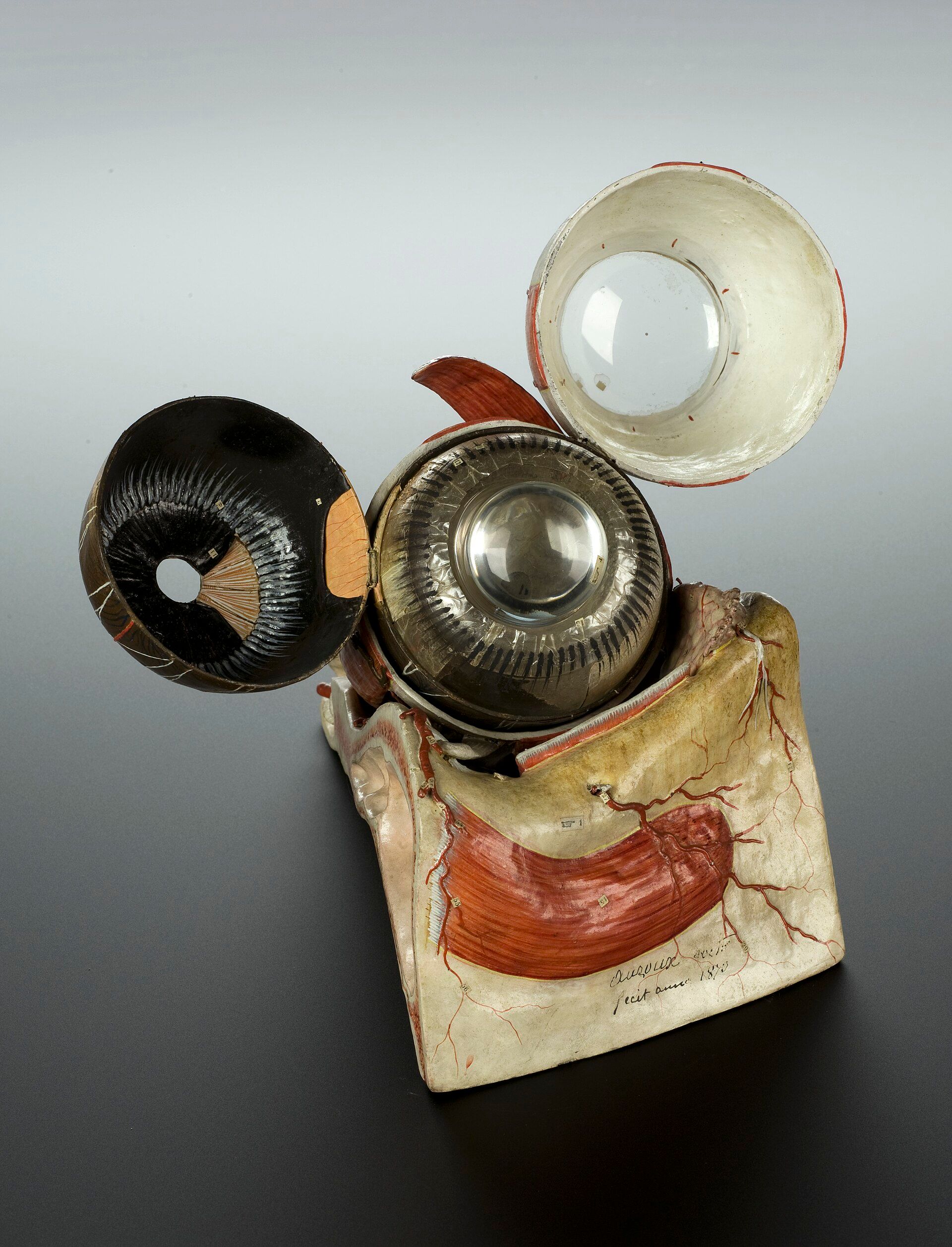
An 1841 catalogue promised a human figure in 129 removable pieces, with reassembly in less than ten minutes. Louis Auzoux’s paper anatomy came with numbered parts, pointing hands and a Normandy workforce trained to know what it was making.
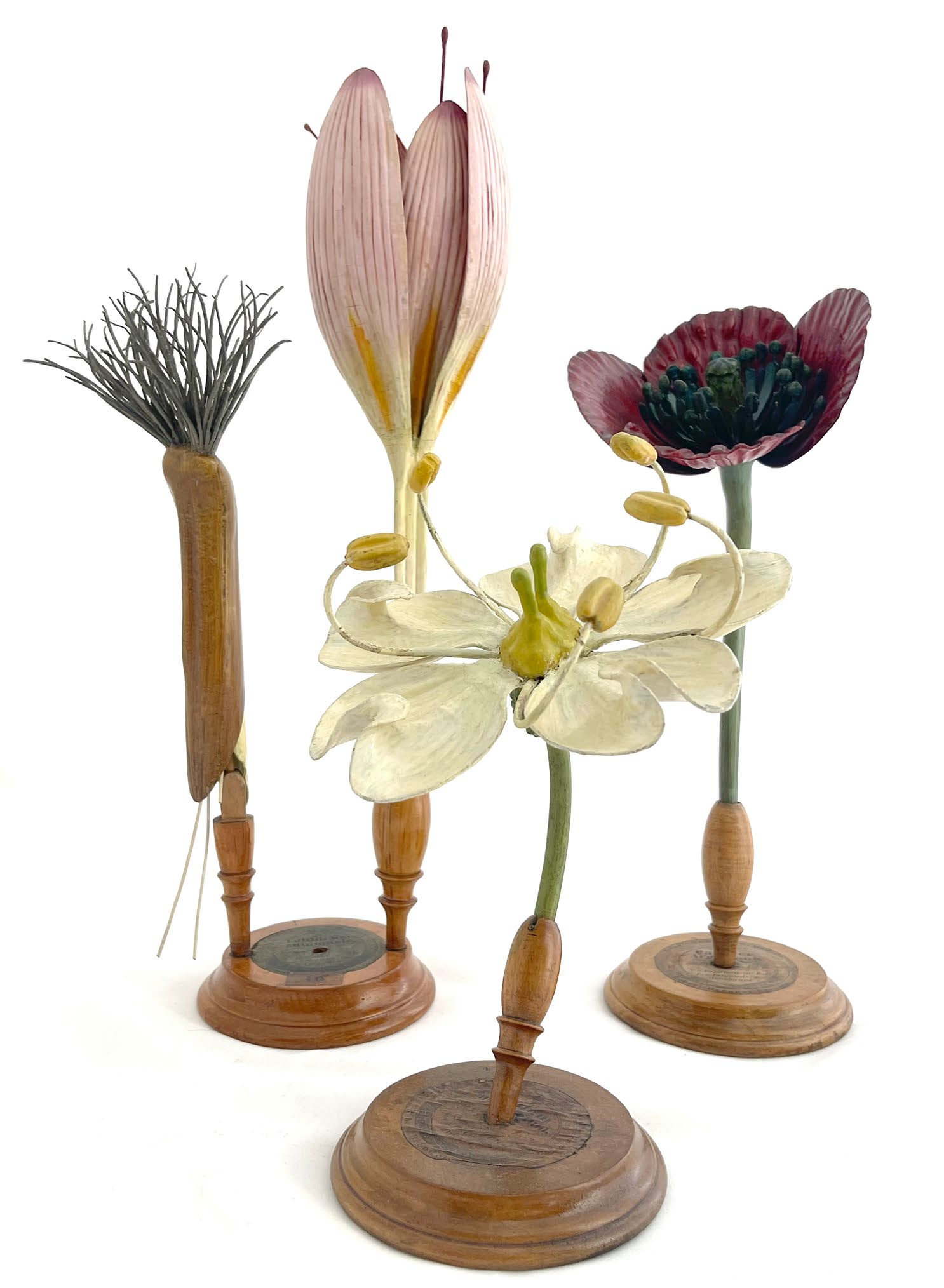
Botany lectures needed flowers in an order the seasons would not supply. From two overcrowded cupboards in Breslau grew the Brendel trade in enlarged teaching plants, including a meadow saffron whose roots needed correcting.
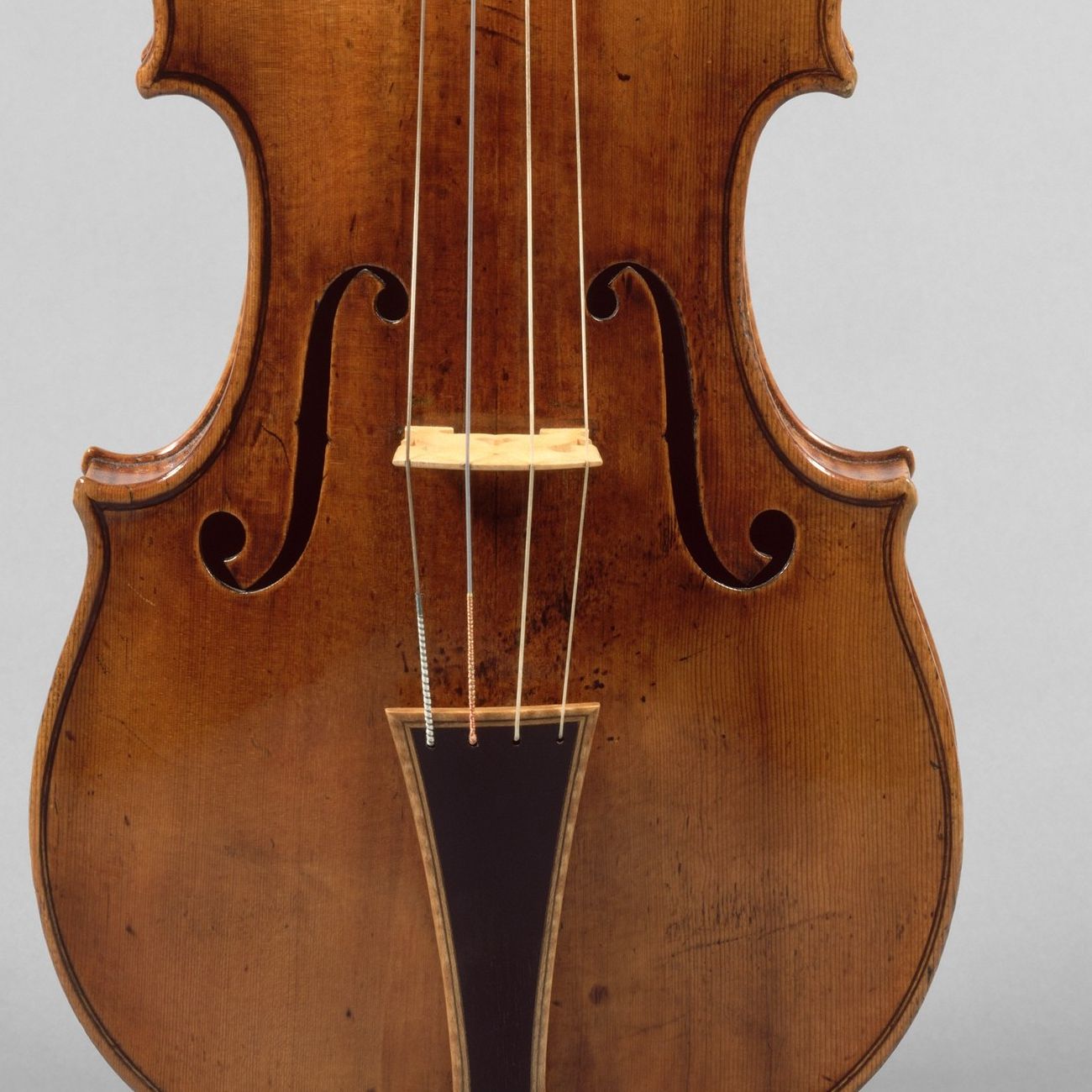
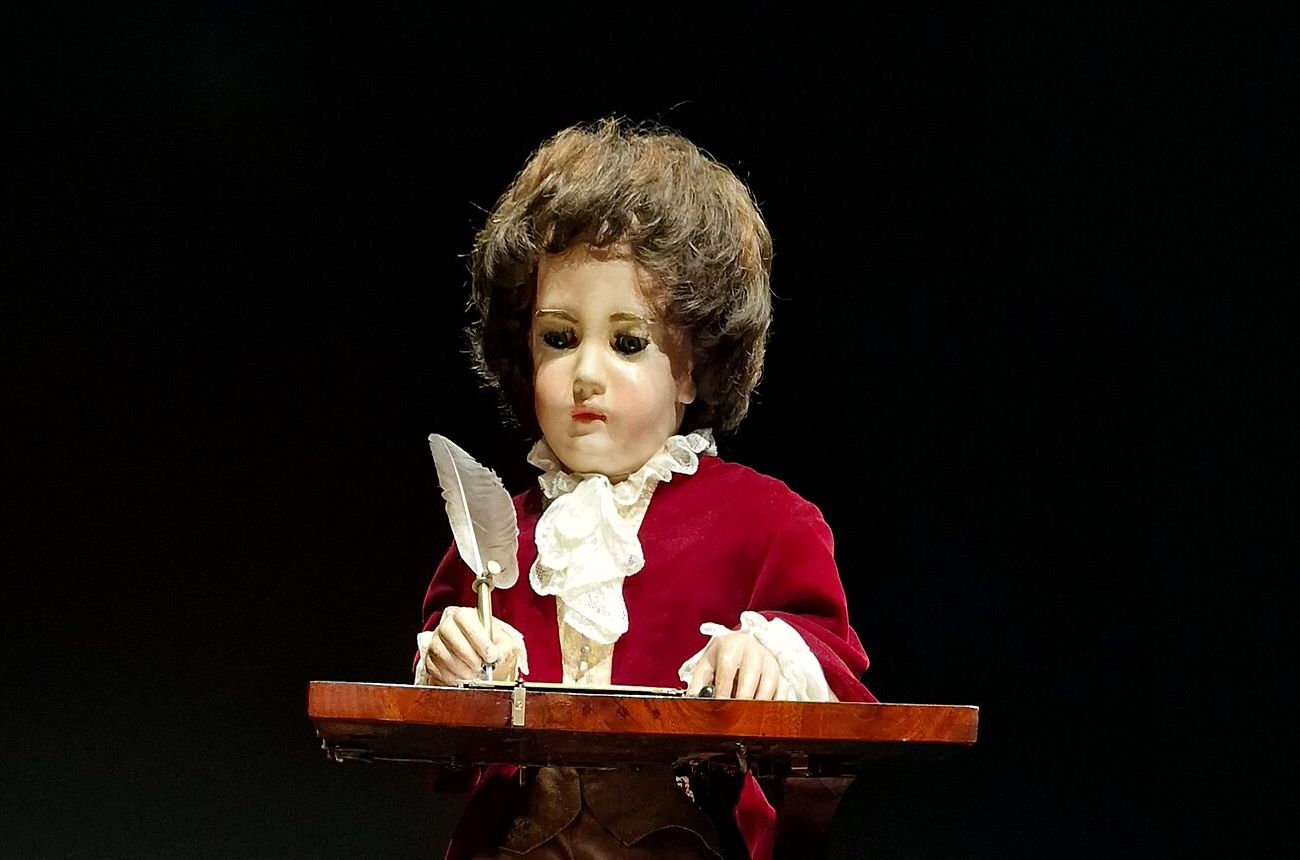
In the 1770s, Jaquet-Droz’s mechanical boy could write a newly chosen message of up to forty characters. His makers were selling Swiss watchmaking, while giving a remarkably familiar vision of a writing assistant its human form.
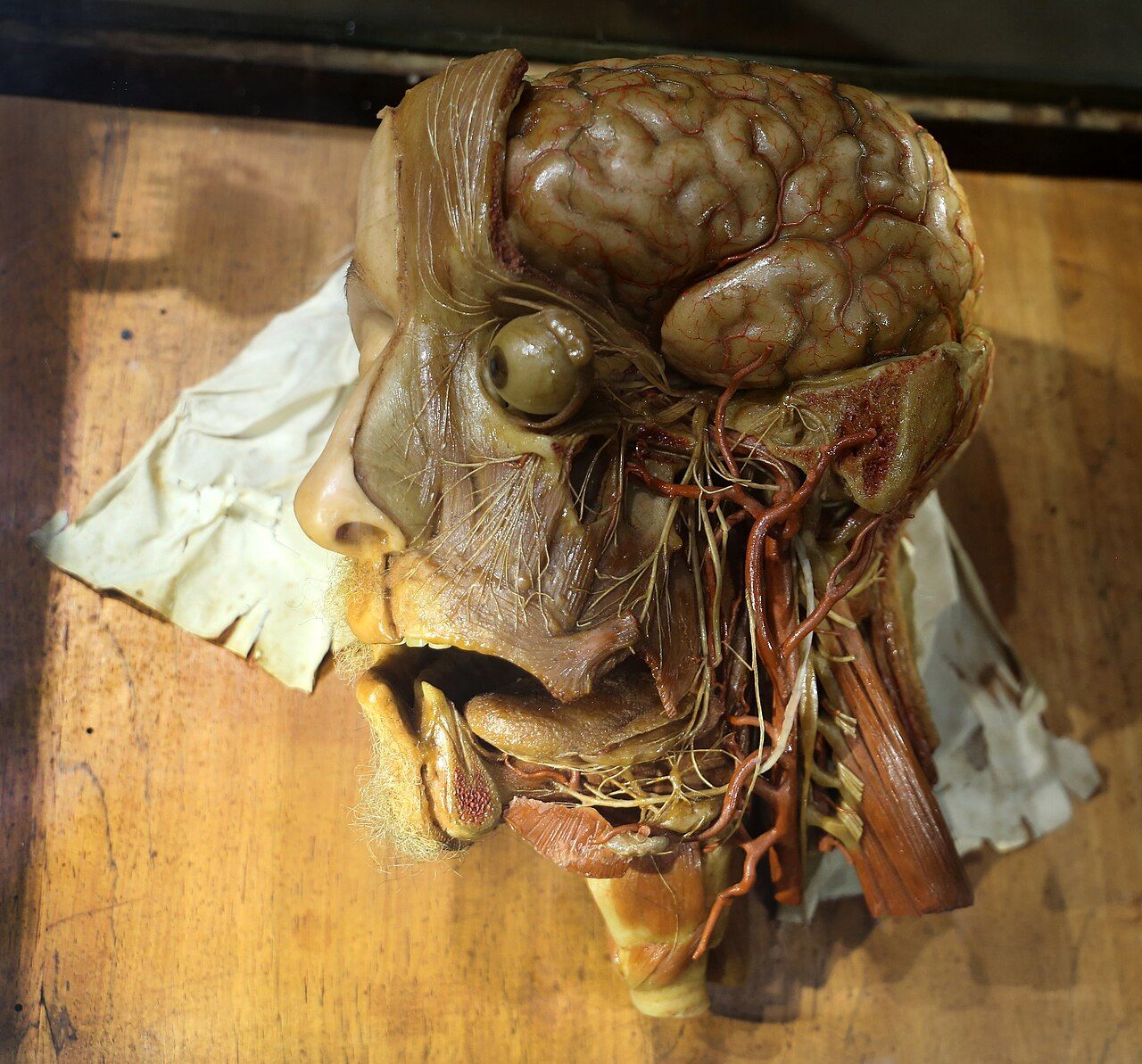
A porter carrying cadavers through Florence could find nowhere to stop with his basket. His deliveries supplied the workshop where Clemente Susini and his collaborators turned short-lived dissections into wax anatomy for students, emperors and museums.
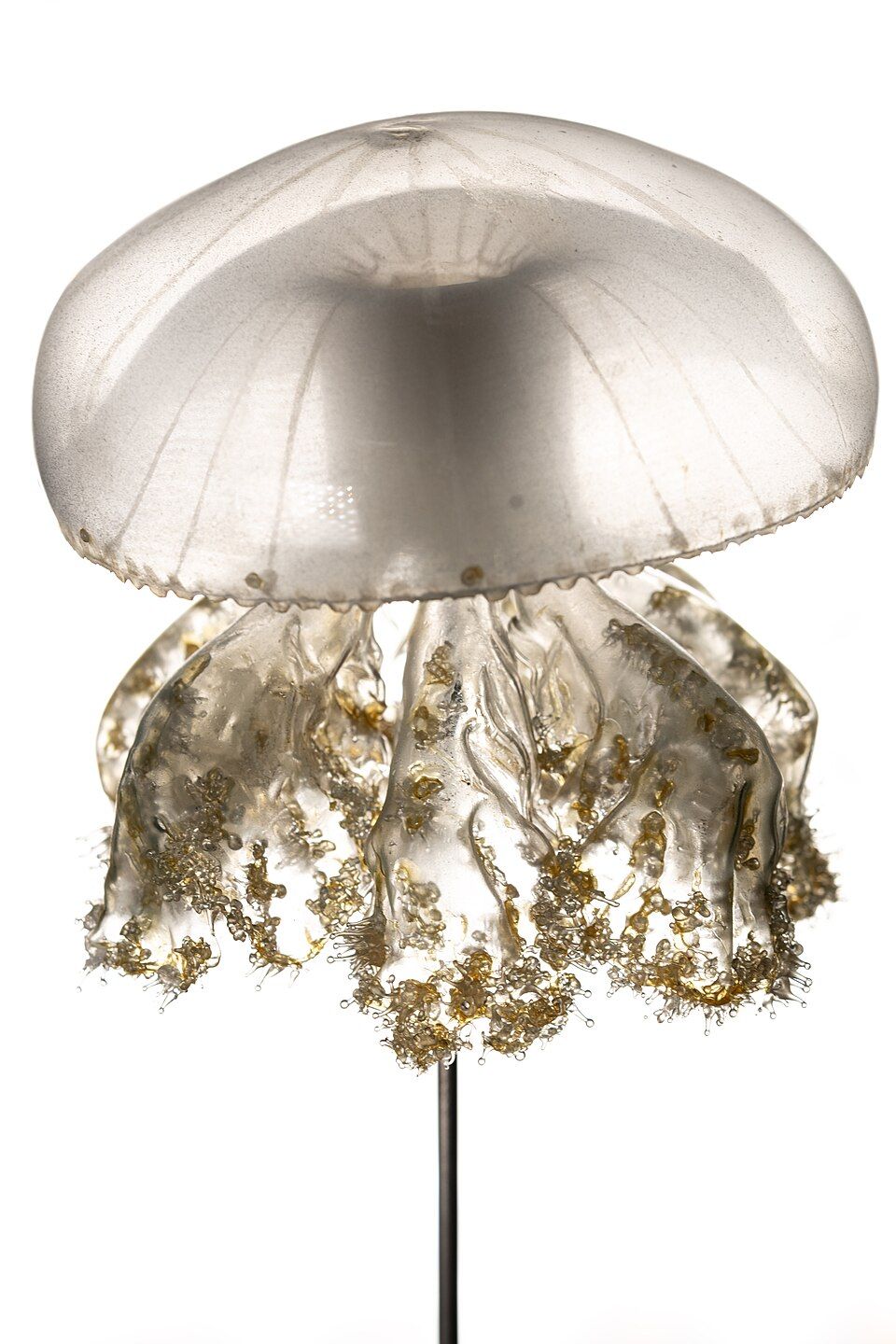
In 1883, the British Museum complained about six damaged glass animals. Leopold Blaschka blamed the unpacking. His Dresden workshop had made marine life legible for a classroom; getting it there intact was another matter.
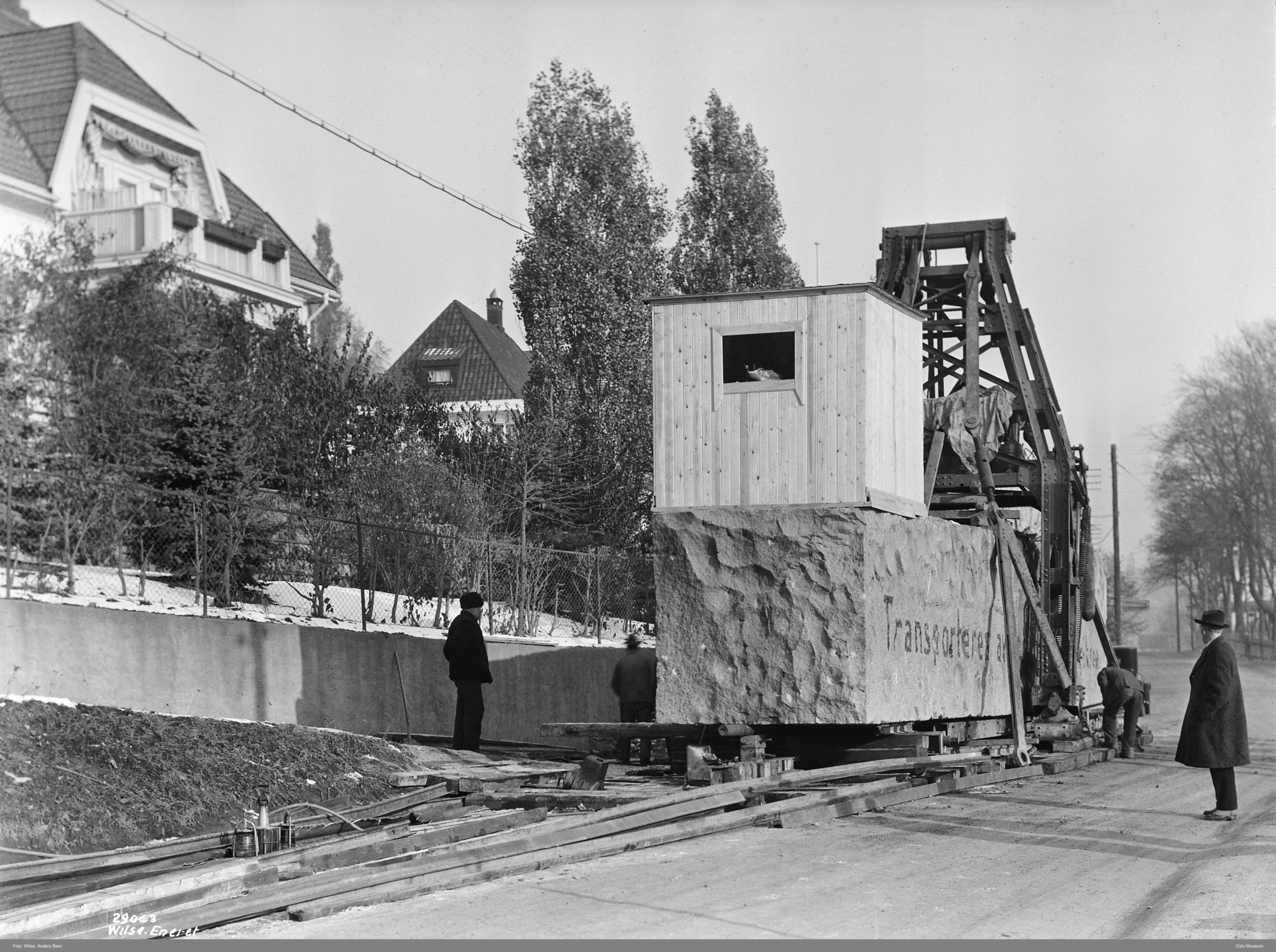
A walking transport frame, a bargain with the city and thirteen years of carving: how Gustav Vigeland’s Monolith reached the centre of an extraordinary park.