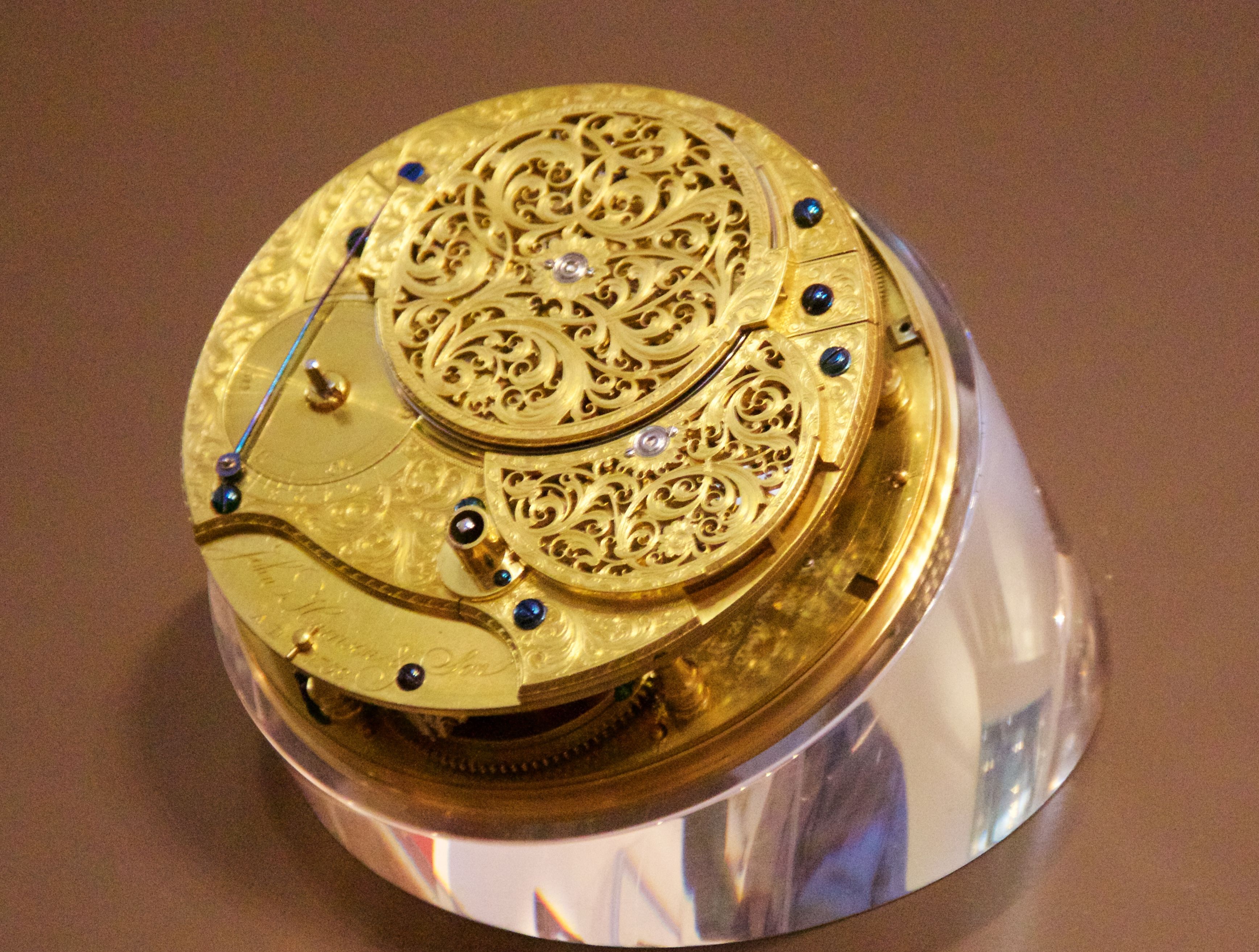
John Harrison spent years making large clocks for the sea. A watch made by John Jefferys helped him change direction. Inside H4, four springs and a fast-moving balance carried the experiment across the Atlantic; explaining it to other makers required another kind of work.
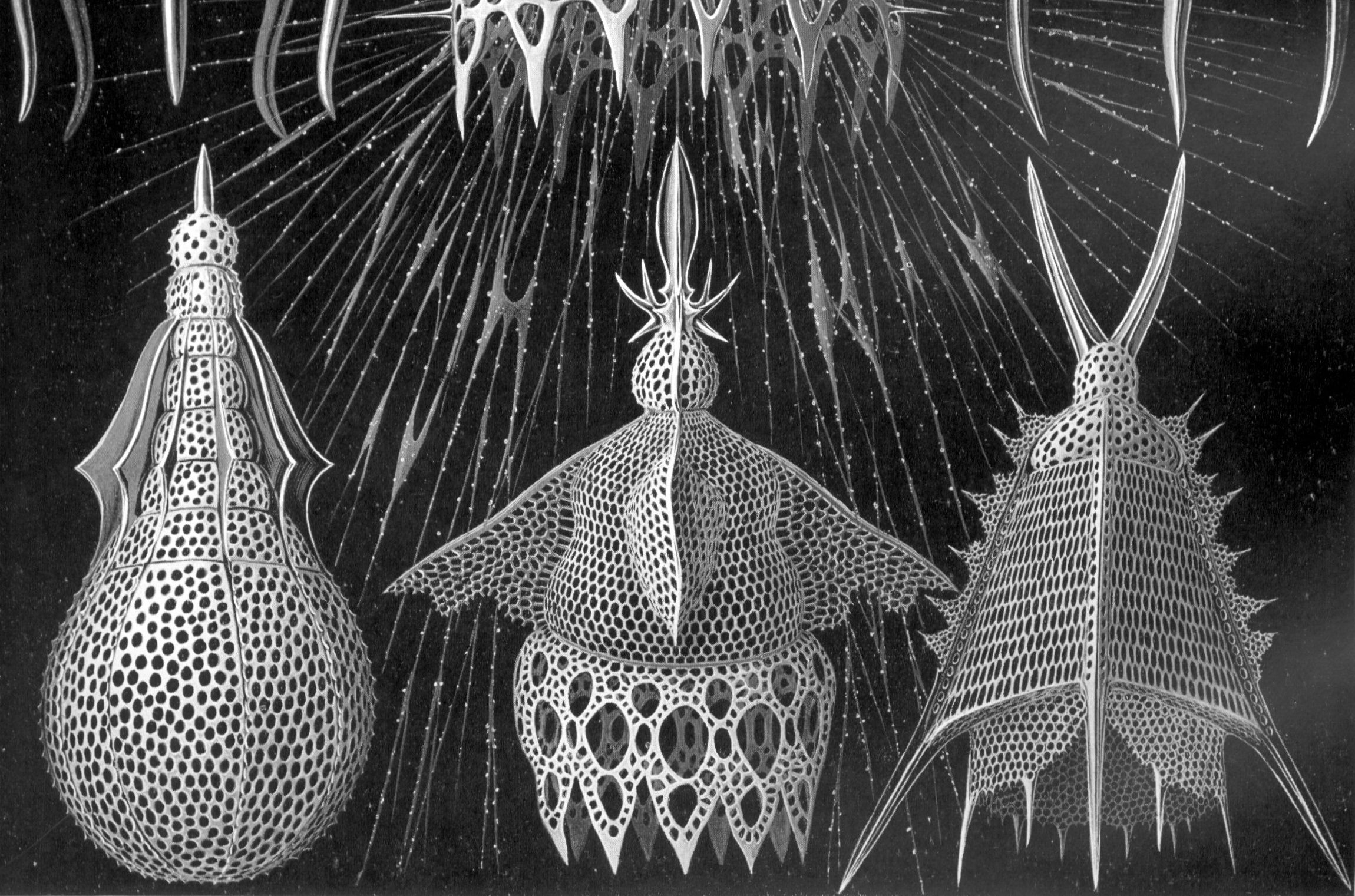
Adolf Giltsch corrected the drawings, taught the students and put Haeckel’s organisms on lithographic stone. One tiny shell, named for a dead wife, shows how much could change on its way to a popular book.
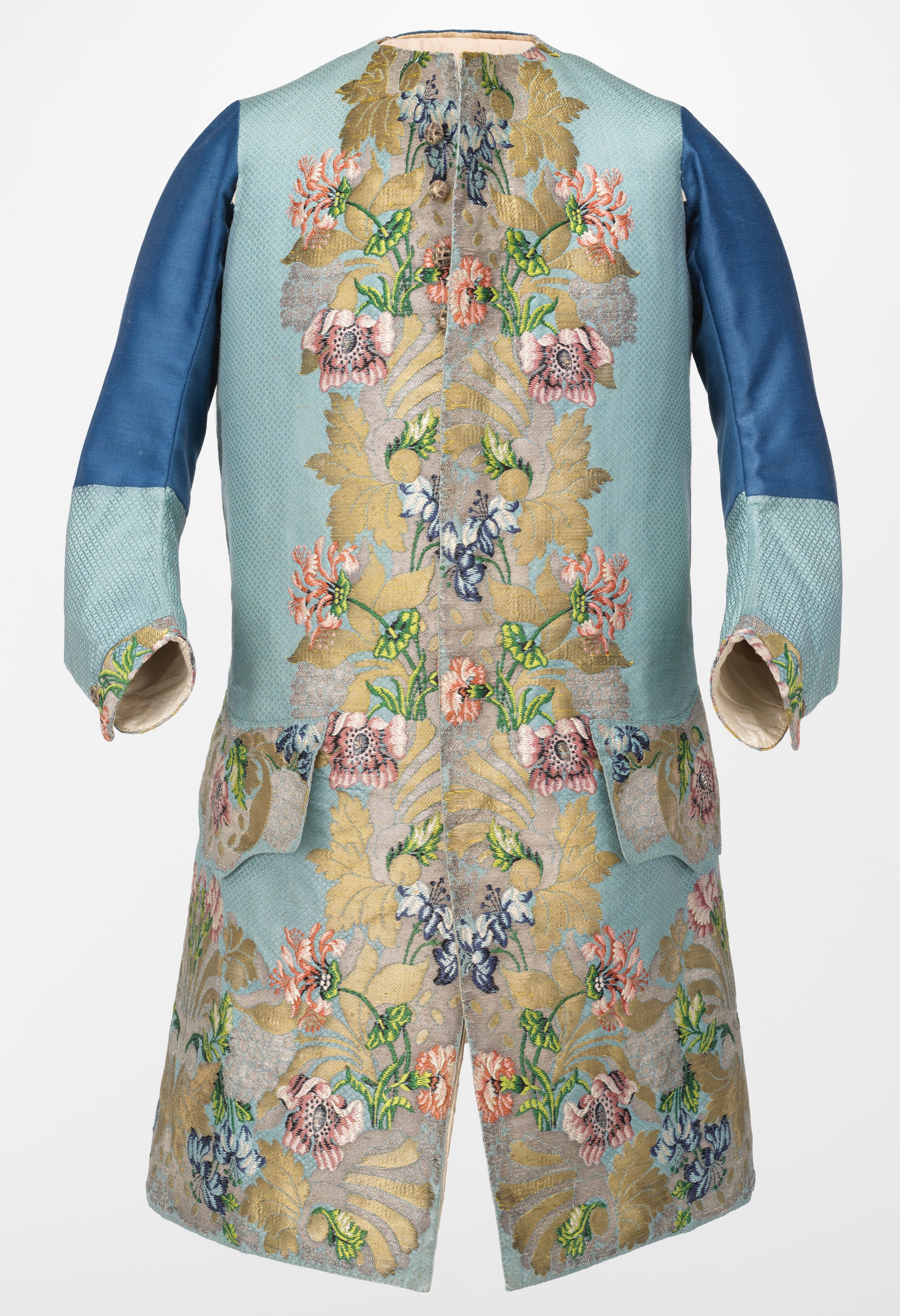
Anna Maria Garthwaite’s 1747 waistcoat design told a Spitalfields weaver where to put flowers—and which metal threads to use. The surviving garment, her working books and a dress painted in Philadelphia reveal how much happened between watercolour and cloth.
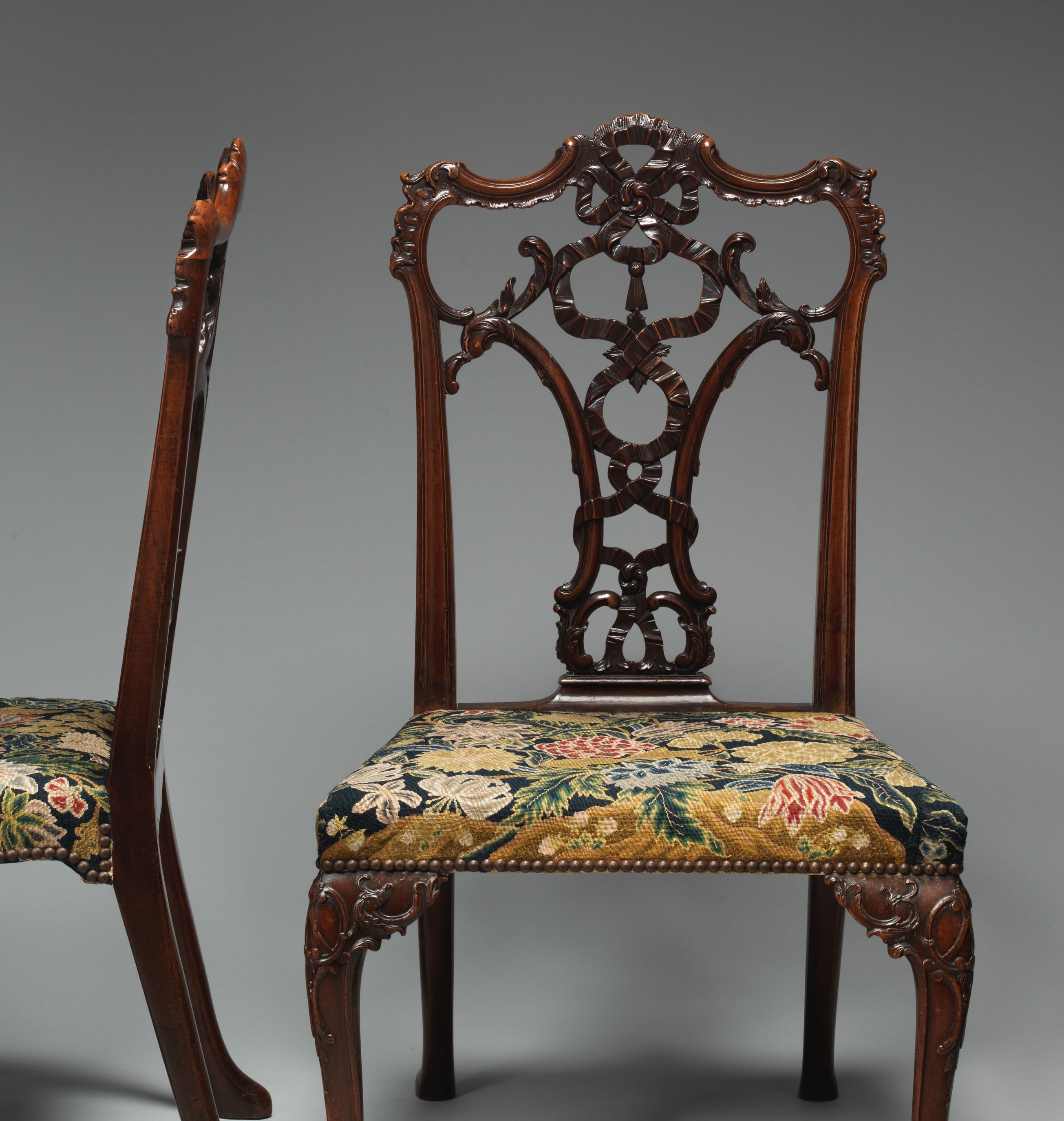
Thomas Chippendale’s Director offered furniture makers a stock of designs they could alter. A pair of ribbon-back chairs, an Edinburgh maker’s bill and a dissatisfied customer show what happened between the printed page and the finished room.
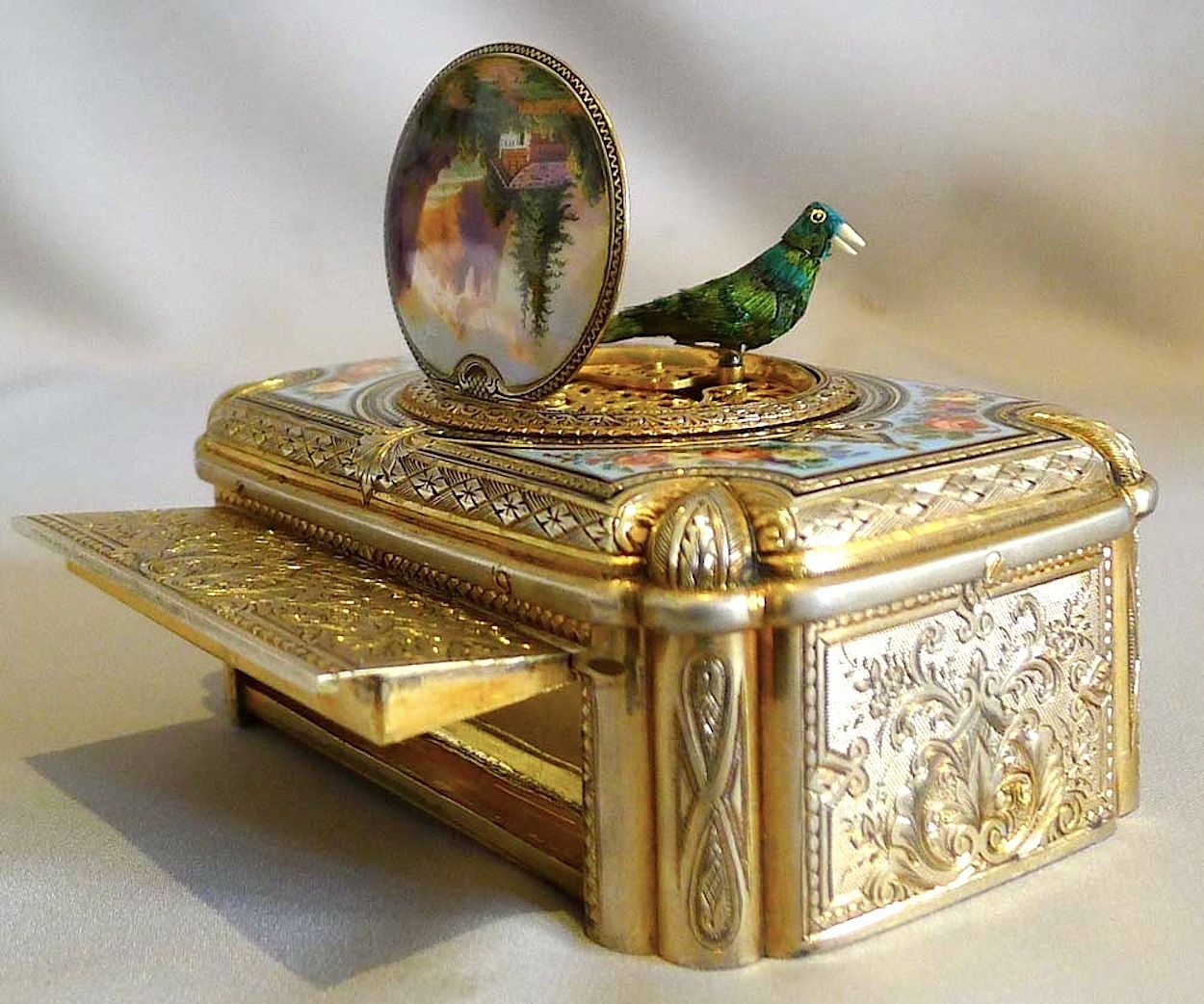
The Bruguier family’s Swiss singing-bird boxes concealed a performance beneath a painted landscape. Bellows supplied the voice and shaped metal controlled the movements; behind the familiar maker’s name were two Charleses, a son-in-law and a woman who pinned musical cylinders.
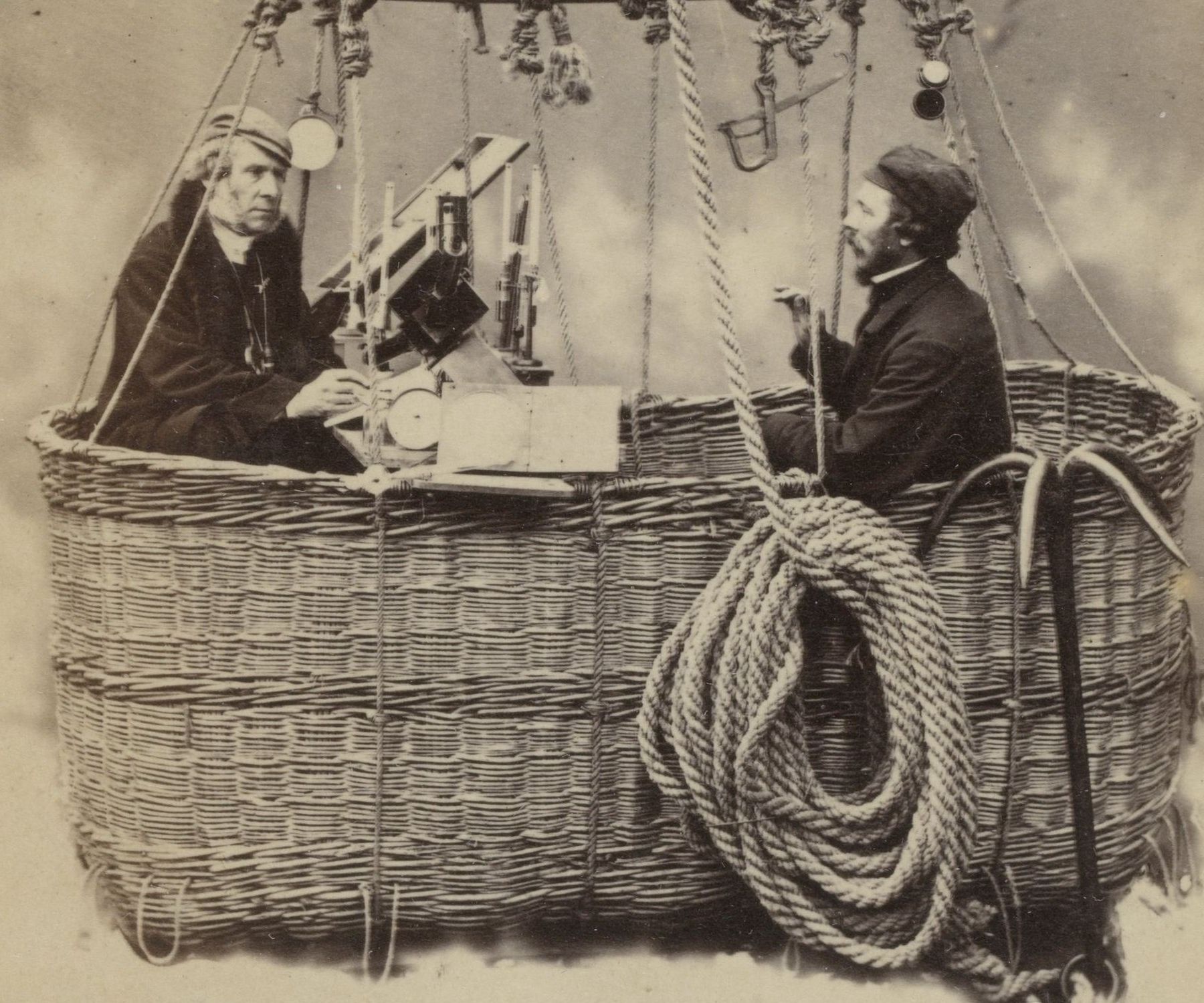
James Glaisher arranged a laboratory across a balloon basket. On 5 September 1862, his instruments and his body began to fail at different speeds. Henry Coxwell had to bring them down—and the famous seven-mile height had to be worked out afterwards.
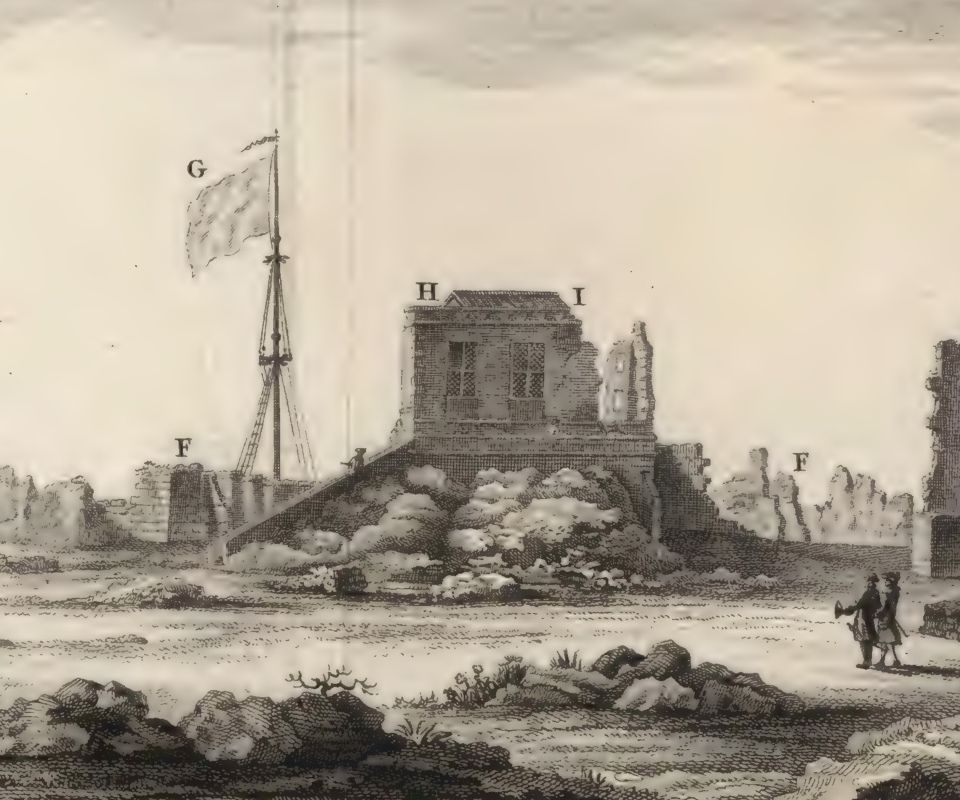
Guillaume Le Gentil knew Manila had good observing weather. He left anyway. His voyage account explains the choice that took him to a ruined palace in Pondicherry for the transit of Venus—and records the observation made by the friend he left behind.