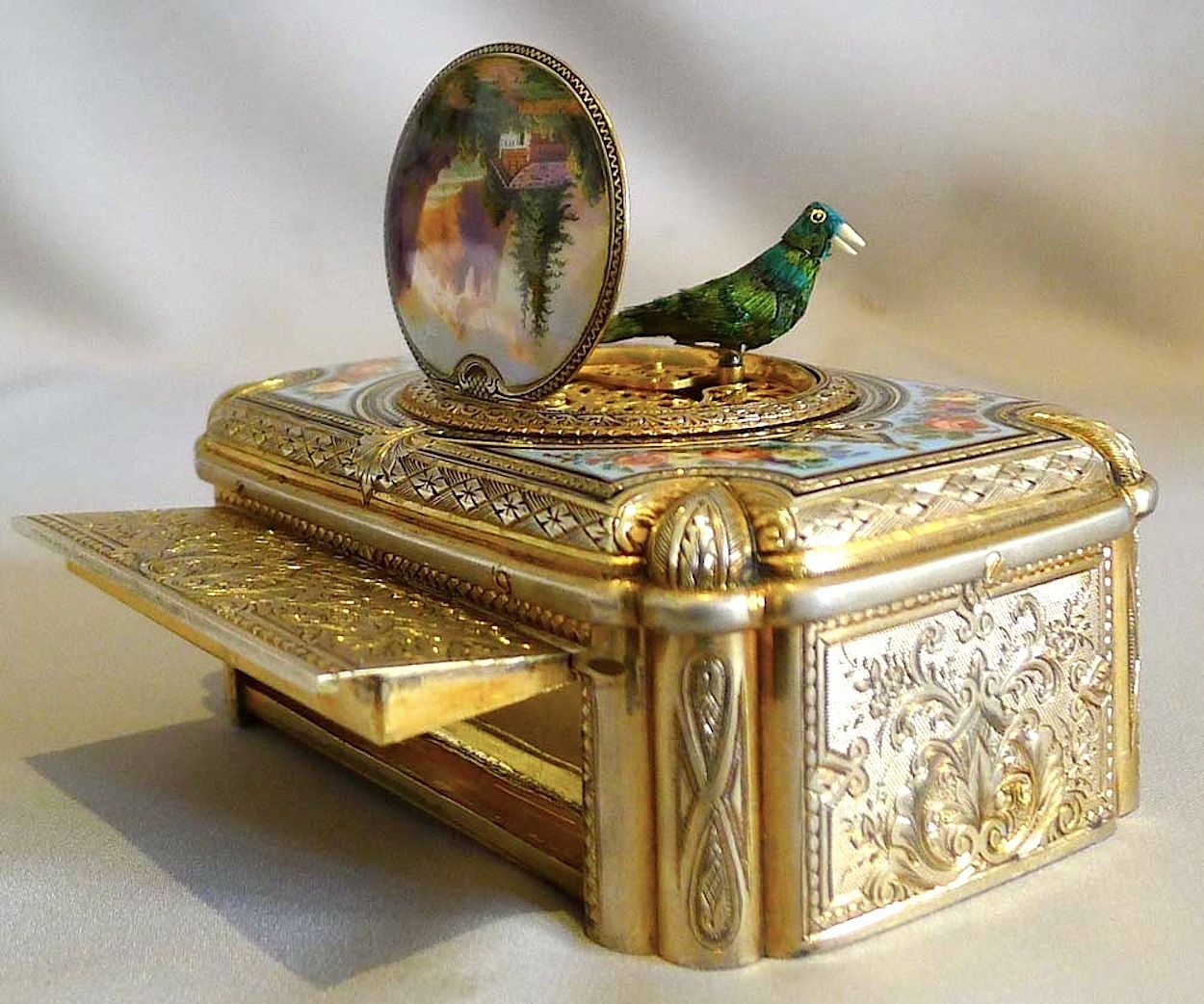
The Bruguier family’s Swiss singing-bird boxes concealed a performance beneath a painted landscape. Bellows supplied the voice and shaped metal controlled the movements; behind the familiar maker’s name were two Charleses, a son-in-law and a woman who pinned musical cylinders.
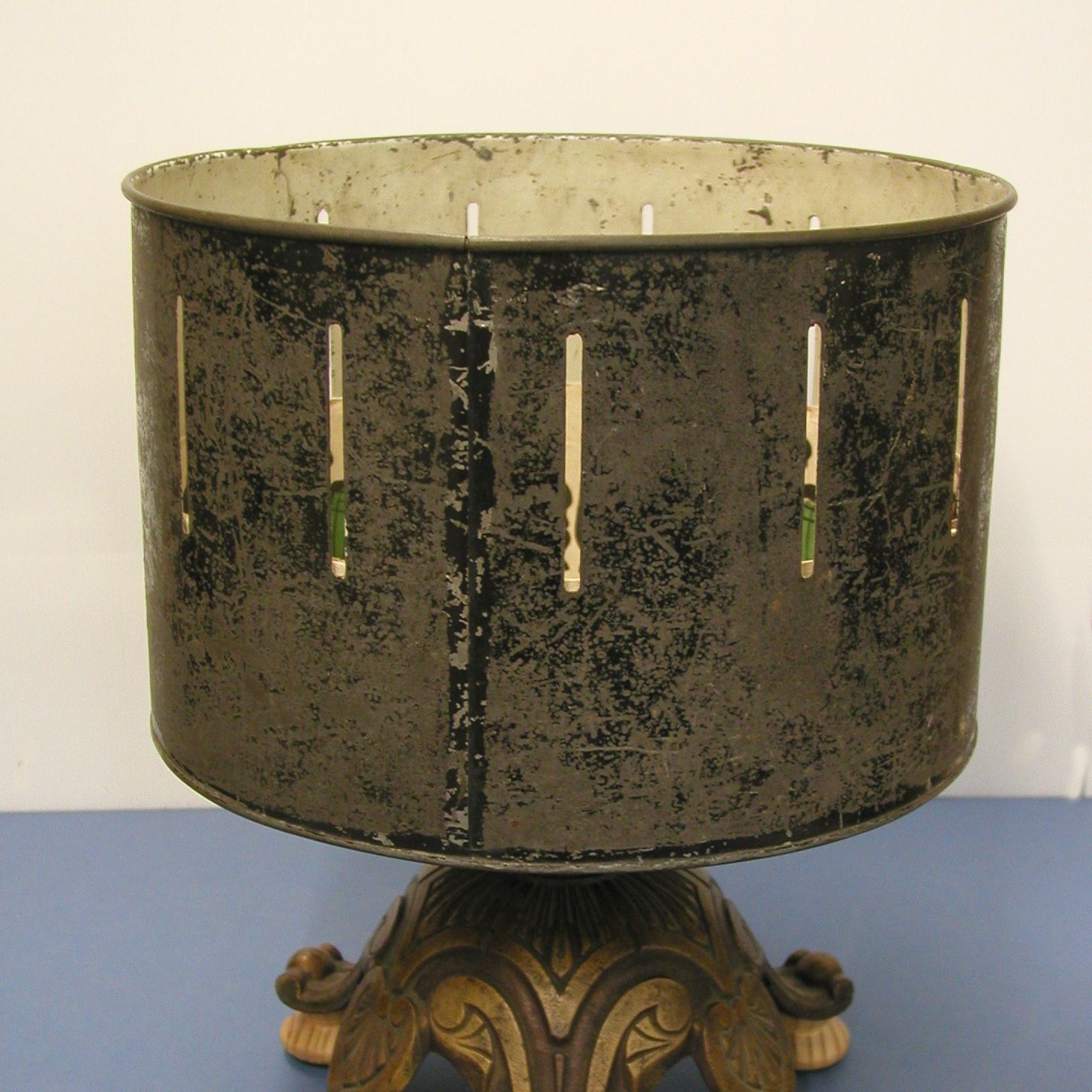
A wheel turns and a pair of shears opens and closes, although the machine is printed on paper. A surviving Victorian zoetrope and its picture strips reveal how much of the action had to be settled before anyone spun the drum.
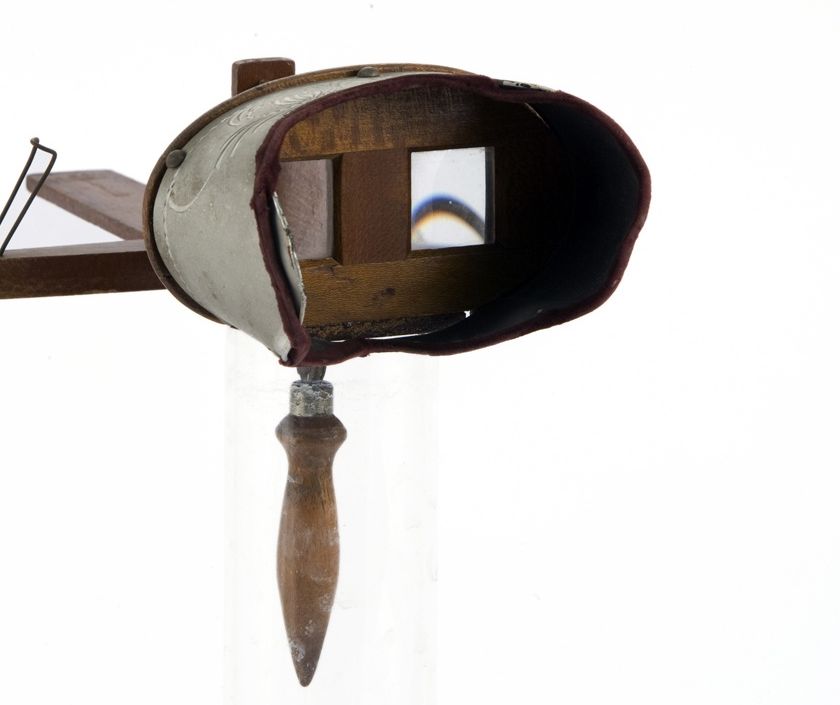
Around 1900, Underwood & Underwood offered a hundred stops through Ottoman Palestine without an ocean crossing. The stereoscope supplied depth; Jesse Lyman Hurlbut’s guide told the traveller where to stand, how to look and which past to imagine.
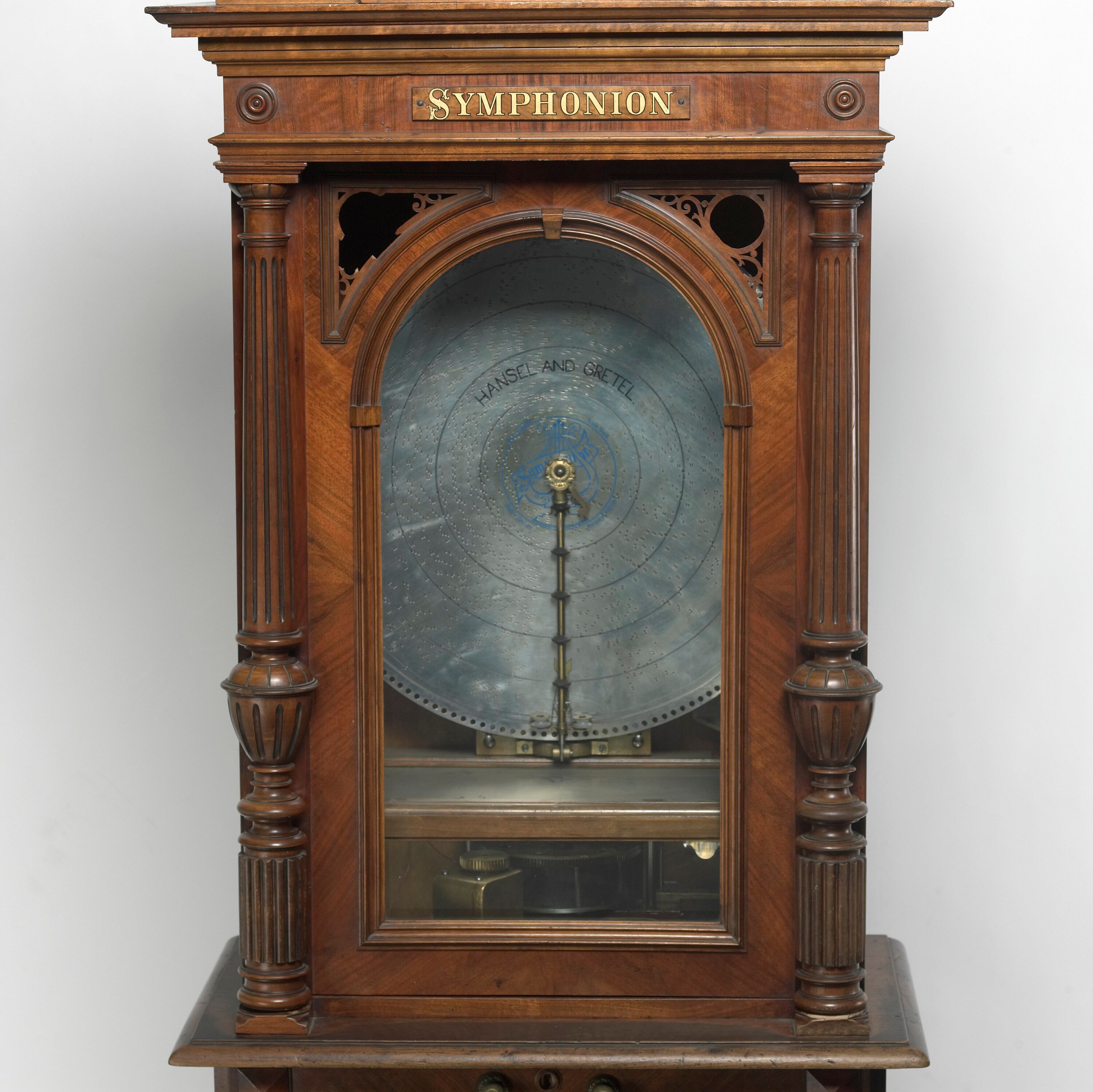
Around 1889, a Melbourne bookseller's music department ordered a German Symphonion. Customers paid a penny to set it playing; changing the tune meant opening the cabinet and lifting out a large steel disc.
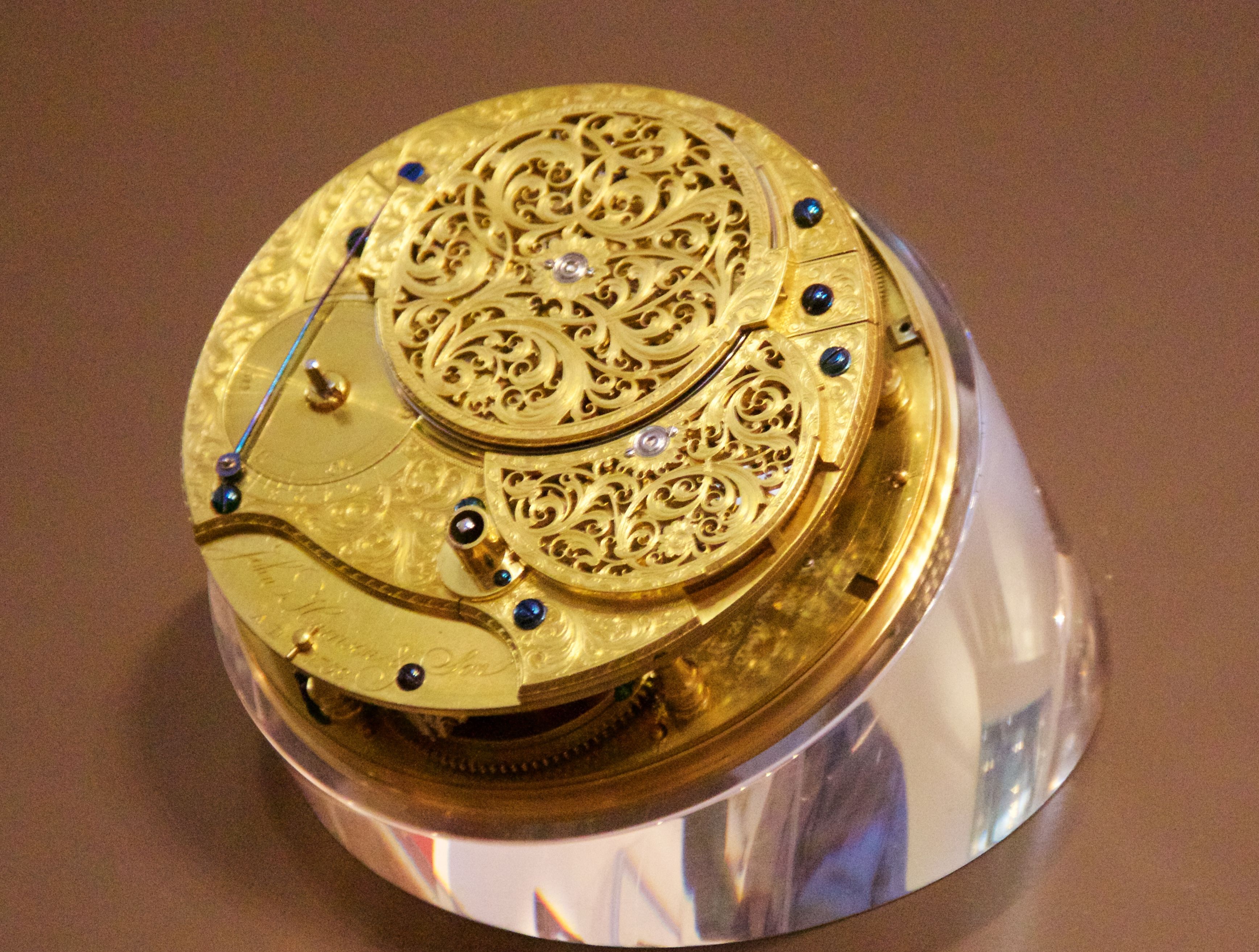
John Harrison spent years making large clocks for the sea. A watch made by John Jefferys helped him change direction. Inside H4, four springs and a fast-moving balance carried the experiment across the Atlantic; explaining it to other makers required another kind of work.
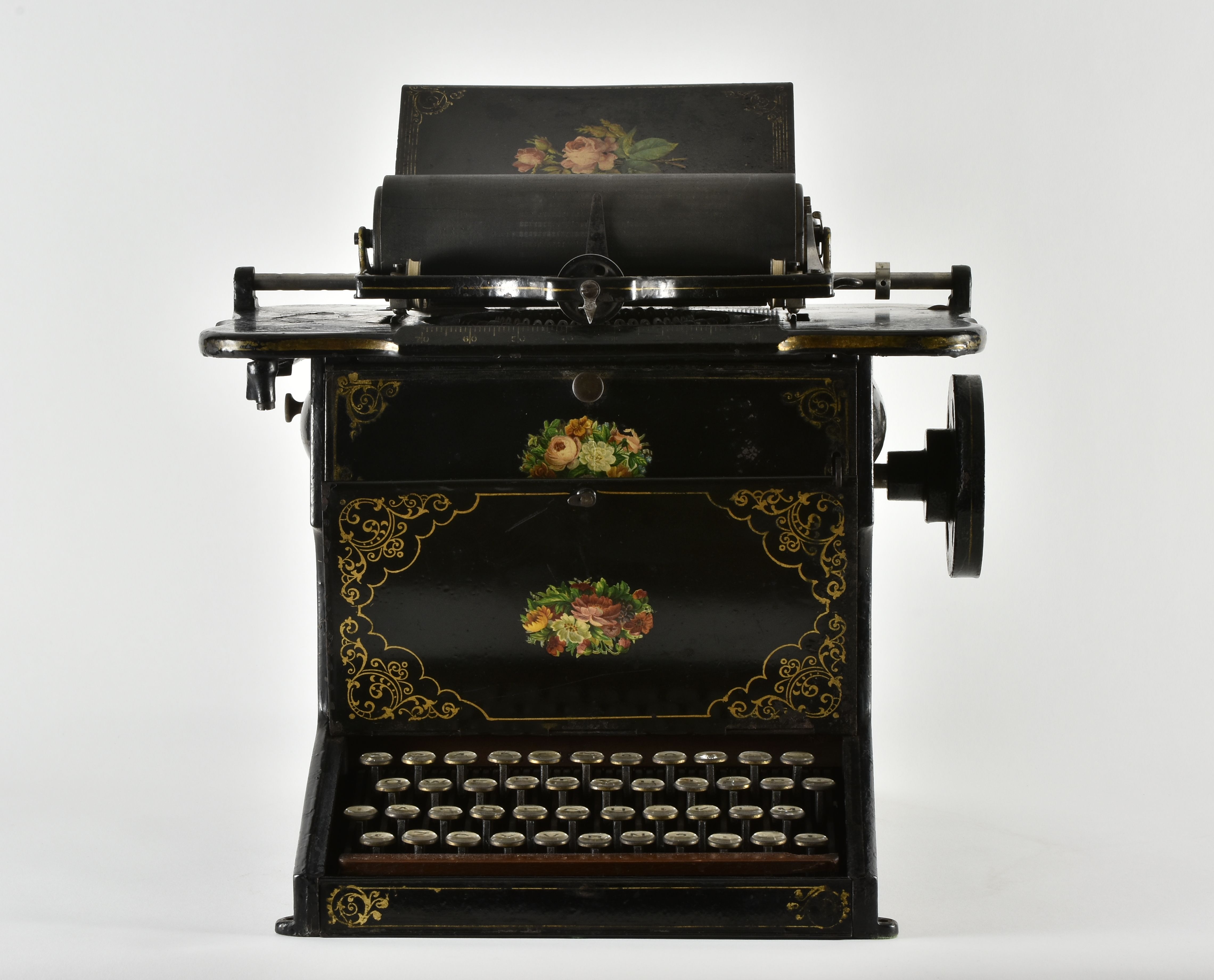
Charles Weller tried to use Sholes's experimental typewriter for paid work. Between jammed letters and handwritten transcripts came a succession of promises that the machine was finally ready.
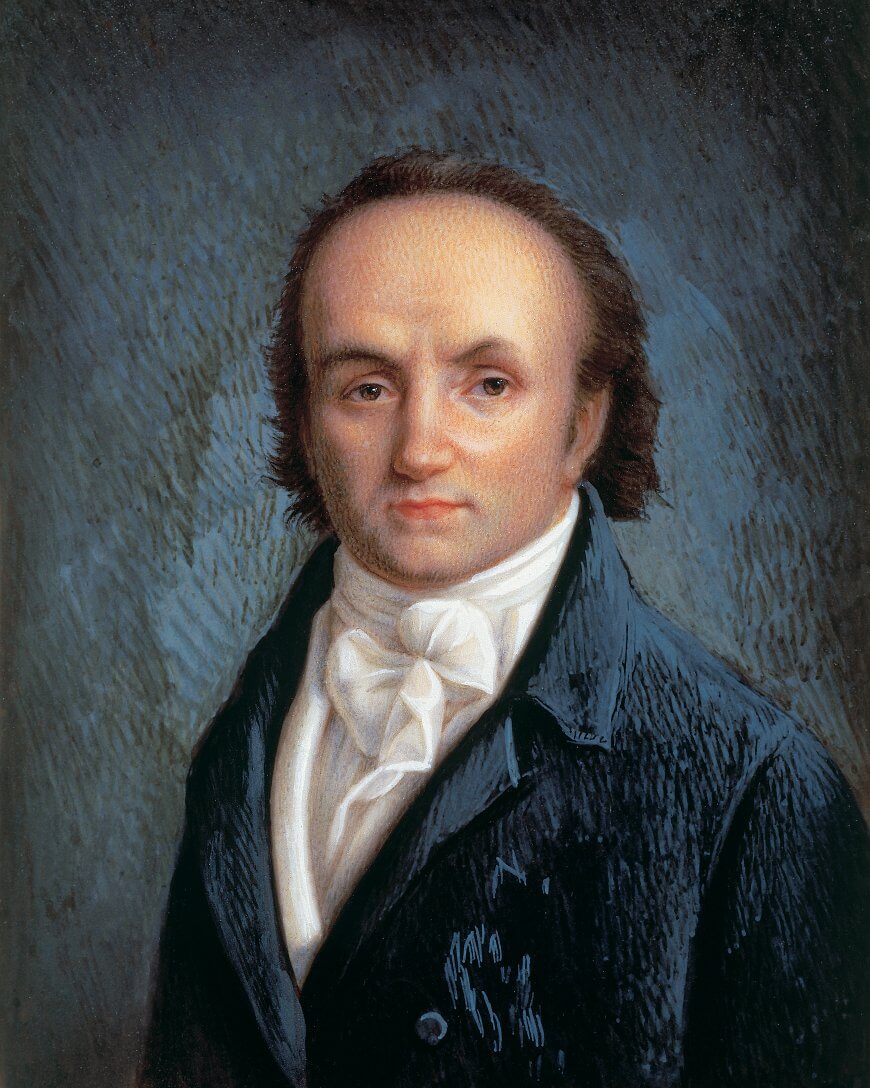
Breguet’s one-hand pocket watch simplified the machinery and changed how customers paid for it. A large dial, a repairable movement and a quarter of the price in advance formed the bargain.
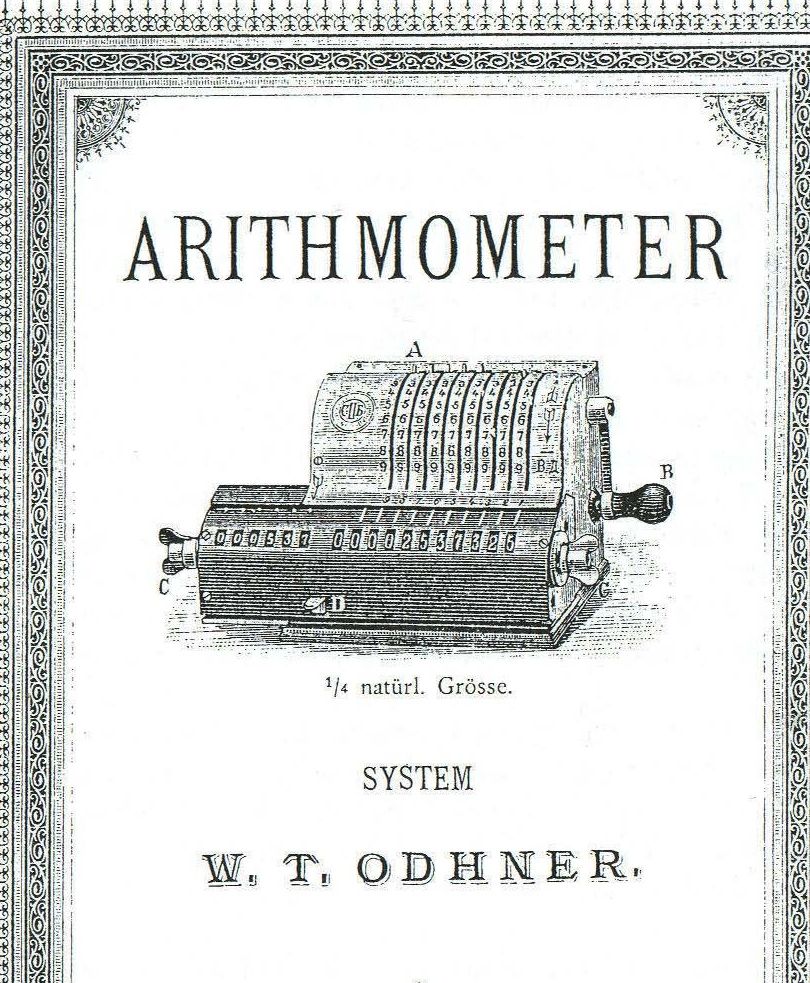
Willgodt Odhner promised reliable arithmetic in a small machine. His instructions reveal the turns, shifts and corrections that still belonged to the person holding the crank.
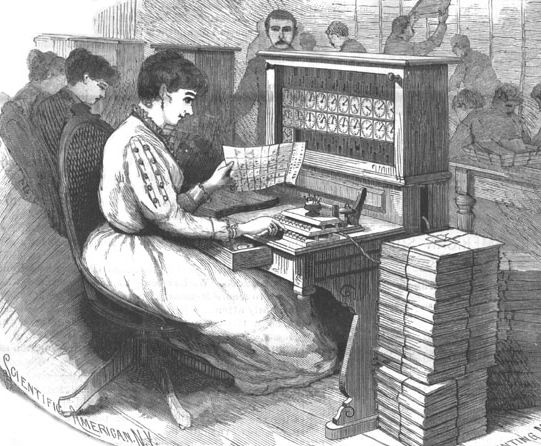
Herman Hollerith’s electrical machines helped process the 1890 United States census. At every press, a clerk still had to turn a punched card into a number—and decide what to do when the bell stayed silent.
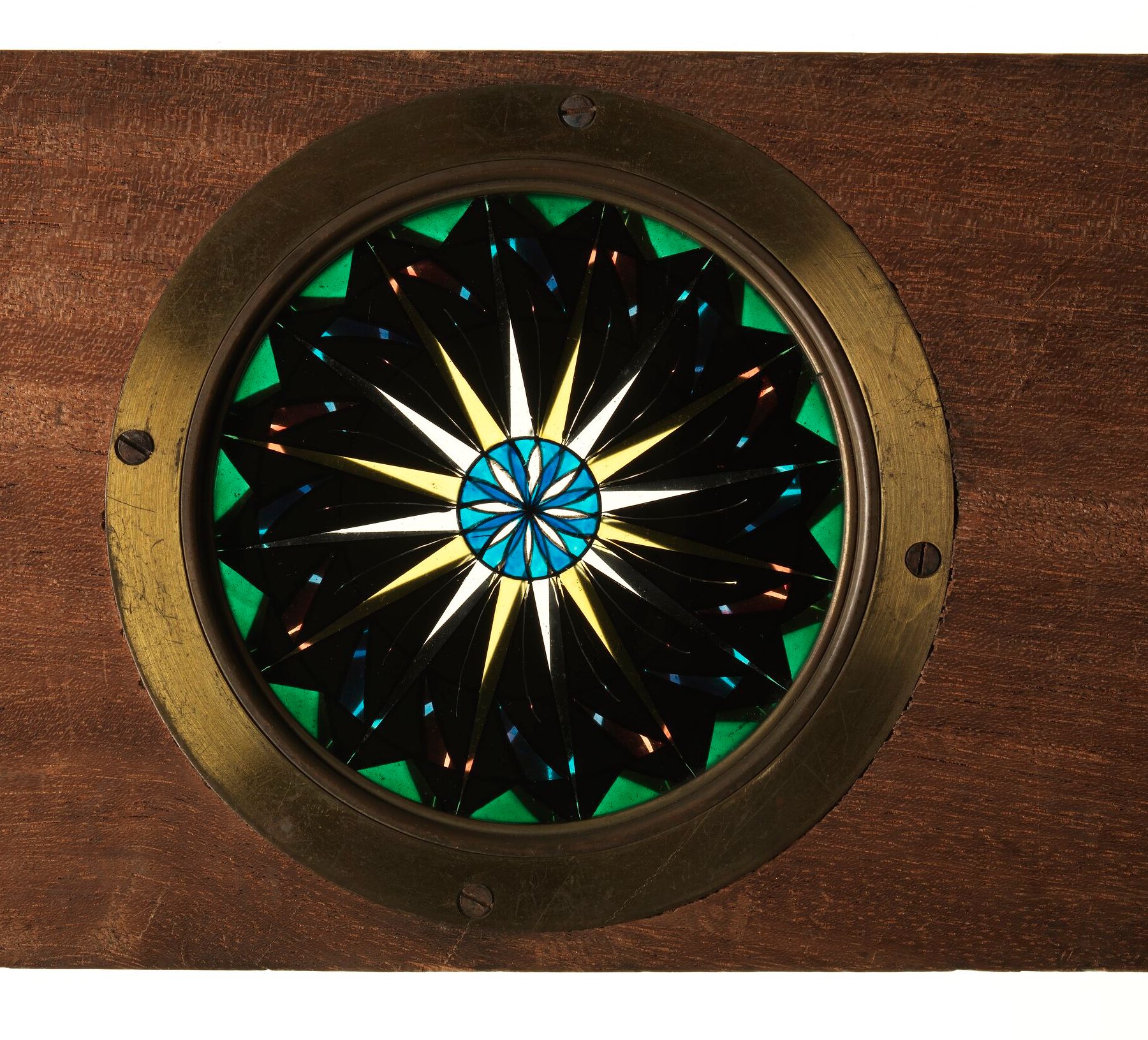
Mechanical magic-lantern slides made painted figures move and coloured patterns revolve. In Adelaide in 1848, Henry Kesterton's ambitious show depended on a lecturer, a limited supply of gas and an agreement that the two men remembered differently.
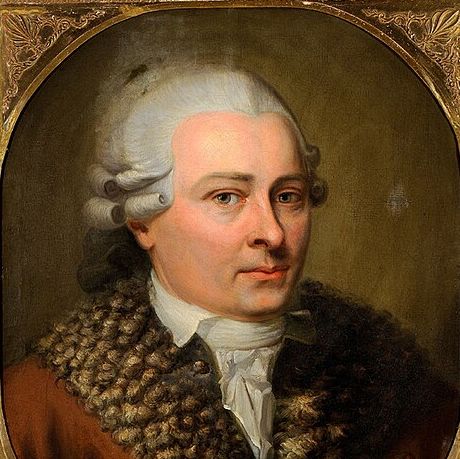
David Roentgen’s cabinets could command a room with springs, music and disappearing compartments. Winning an audience with Europe’s rulers required another set of mechanisms: introductions, travelling showpieces and carefully judged flattery.
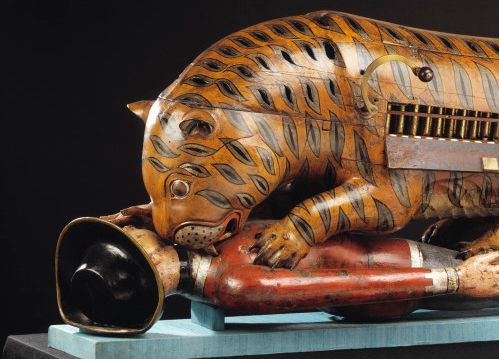
A wooden tiger could growl, make its victim cry and play music. Taken from Tipu Sultan’s palace in 1799, it became one of London’s most popular museum exhibits, and a nuisance to readers in the next room.
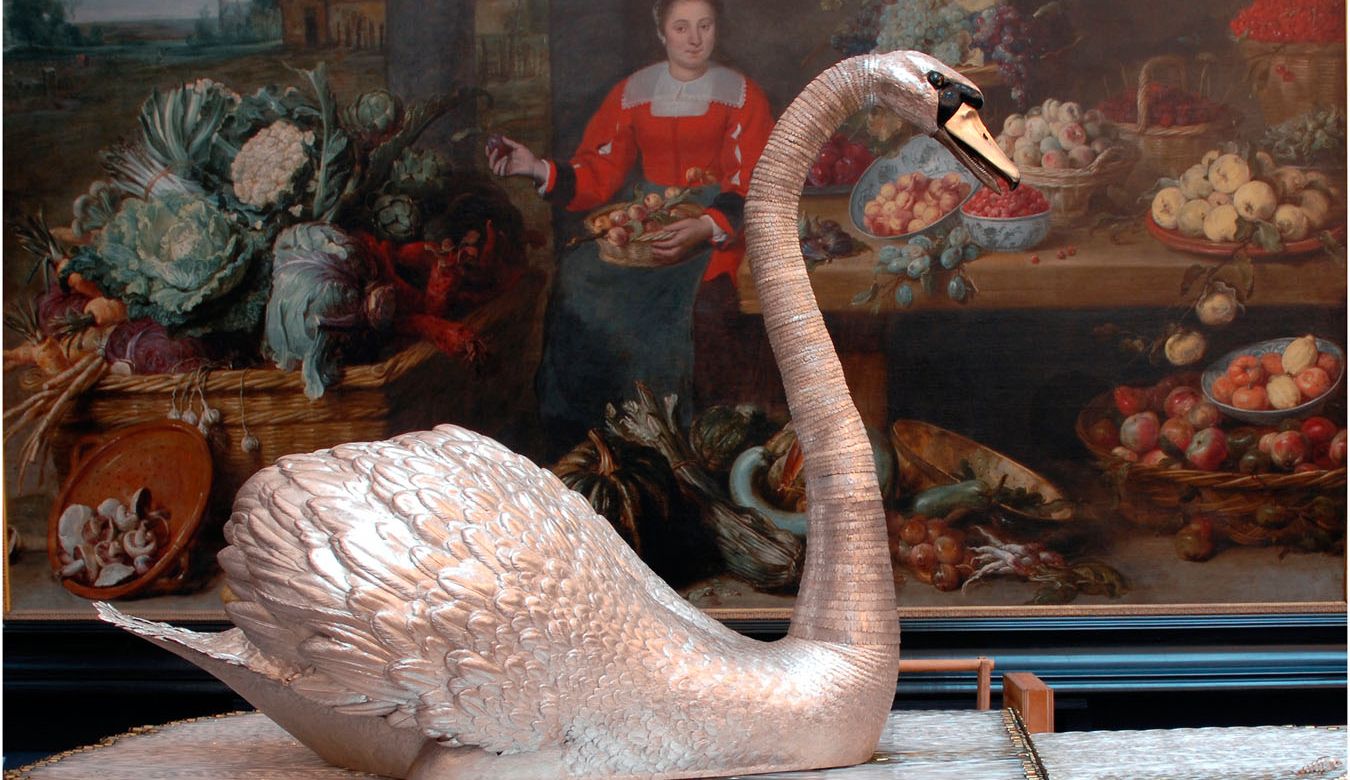
All seven fish remain after the Silver Swan has apparently swallowed one. The Bowes Museum’s bird has a concealed catch, an altered movement and a wooden understudy built to test how a silver neck should turn.
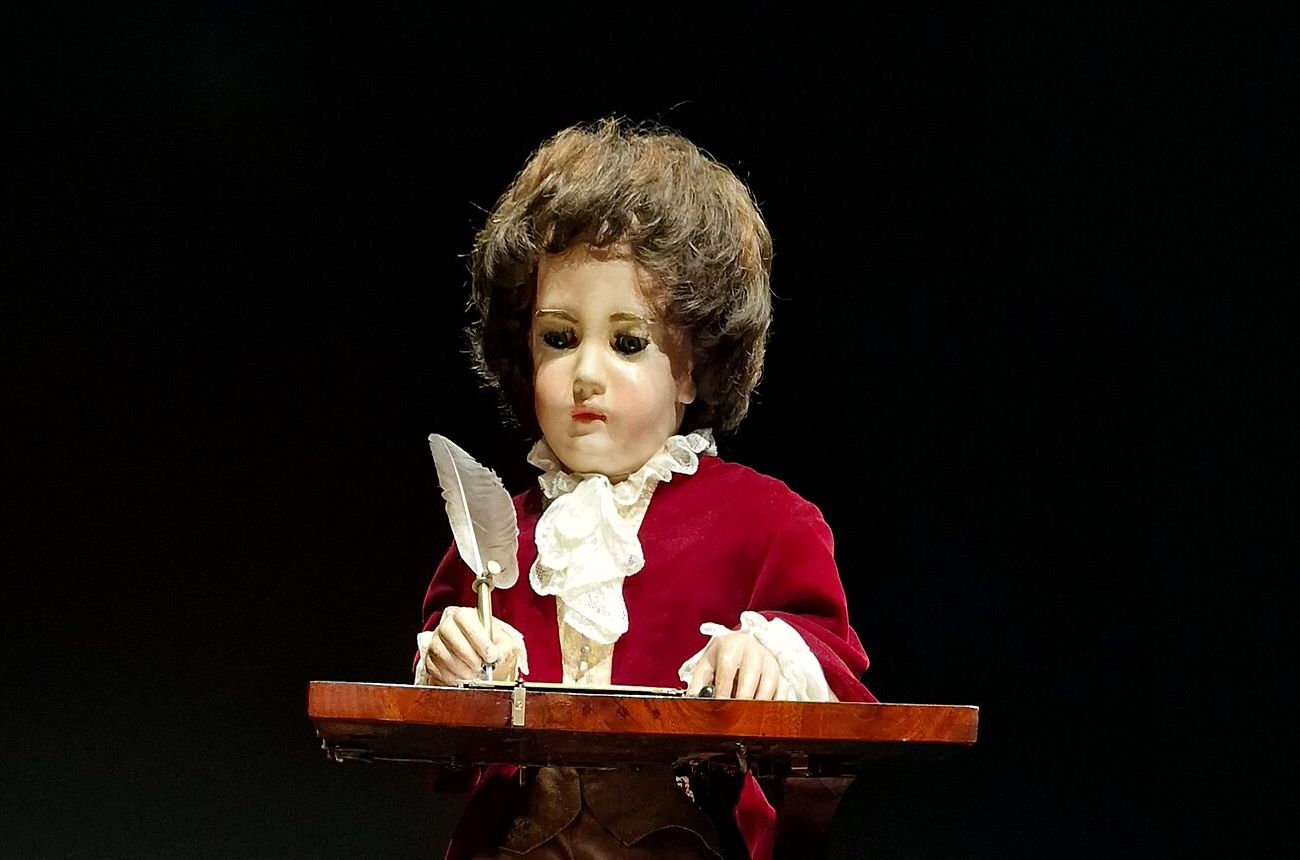
In the 1770s, Jaquet-Droz’s mechanical boy could write a newly chosen message of up to forty characters. His makers were selling Swiss watchmaking, while giving a remarkably familiar vision of a writing assistant its human form.