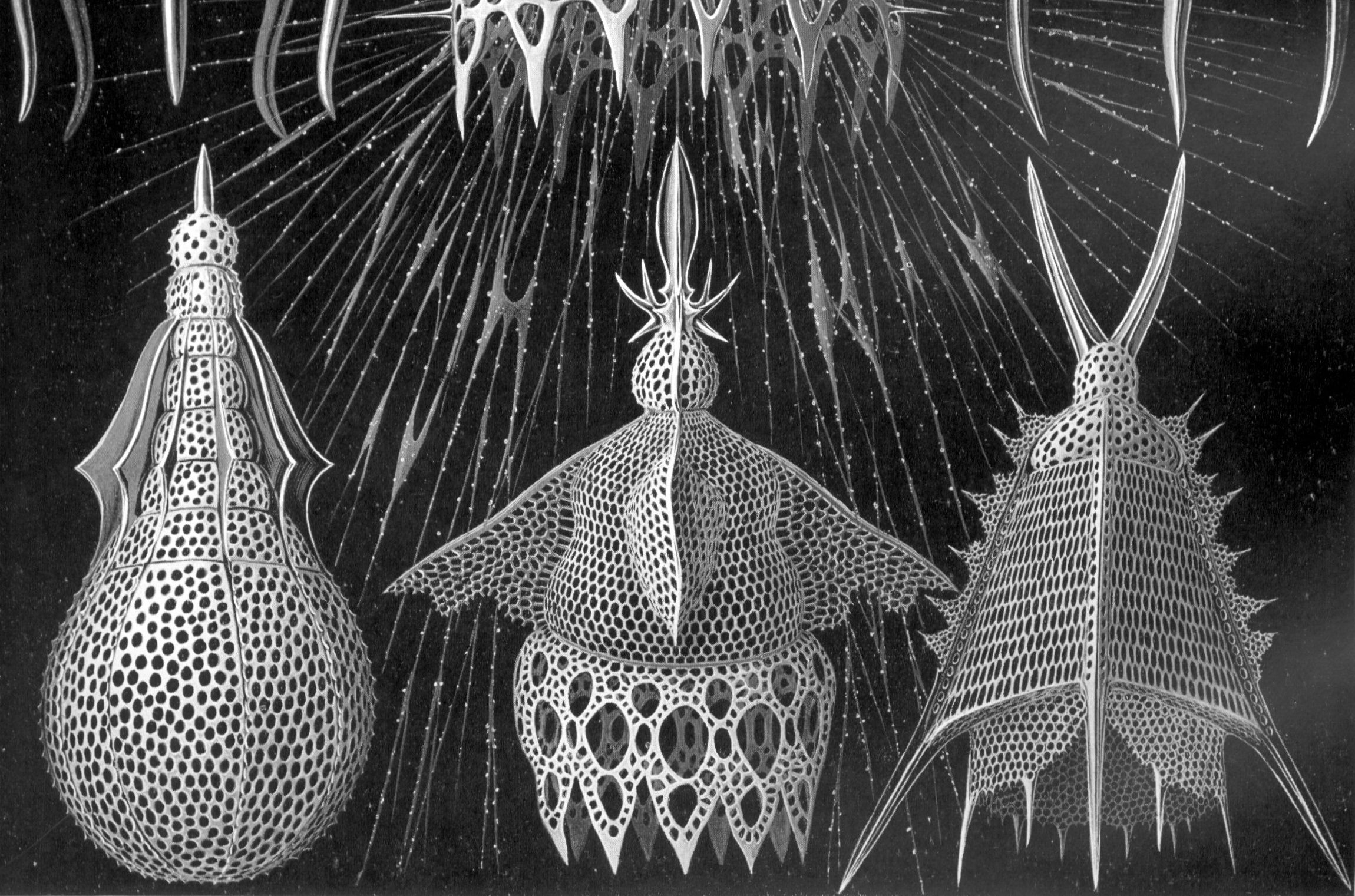
Adolf Giltsch corrected the drawings, taught the students and put Haeckel’s organisms on lithographic stone. One tiny shell, named for a dead wife, shows how much could change on its way to a popular book.
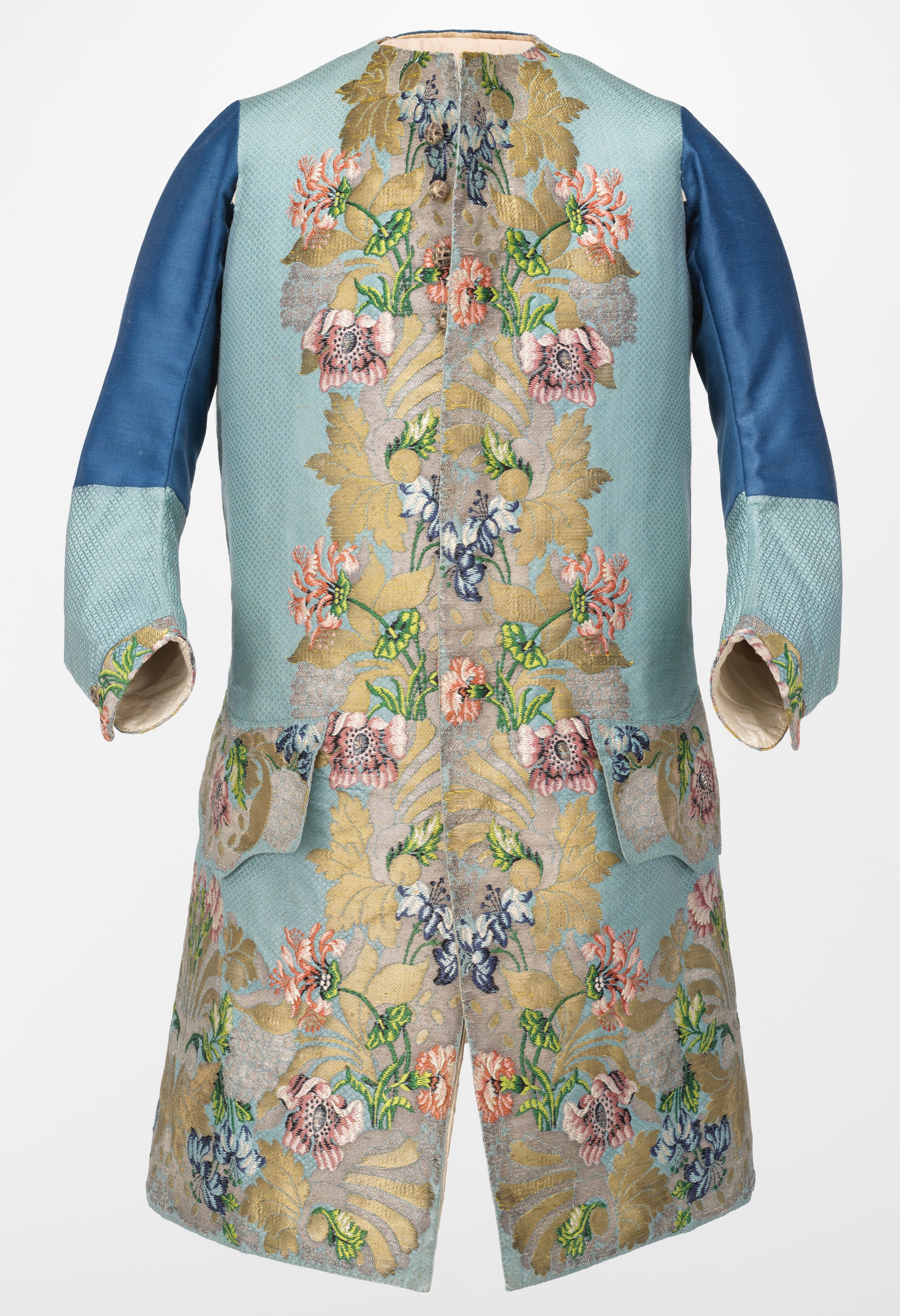
Anna Maria Garthwaite’s 1747 waistcoat design told a Spitalfields weaver where to put flowers—and which metal threads to use. The surviving garment, her working books and a dress painted in Philadelphia reveal how much happened between watercolour and cloth.
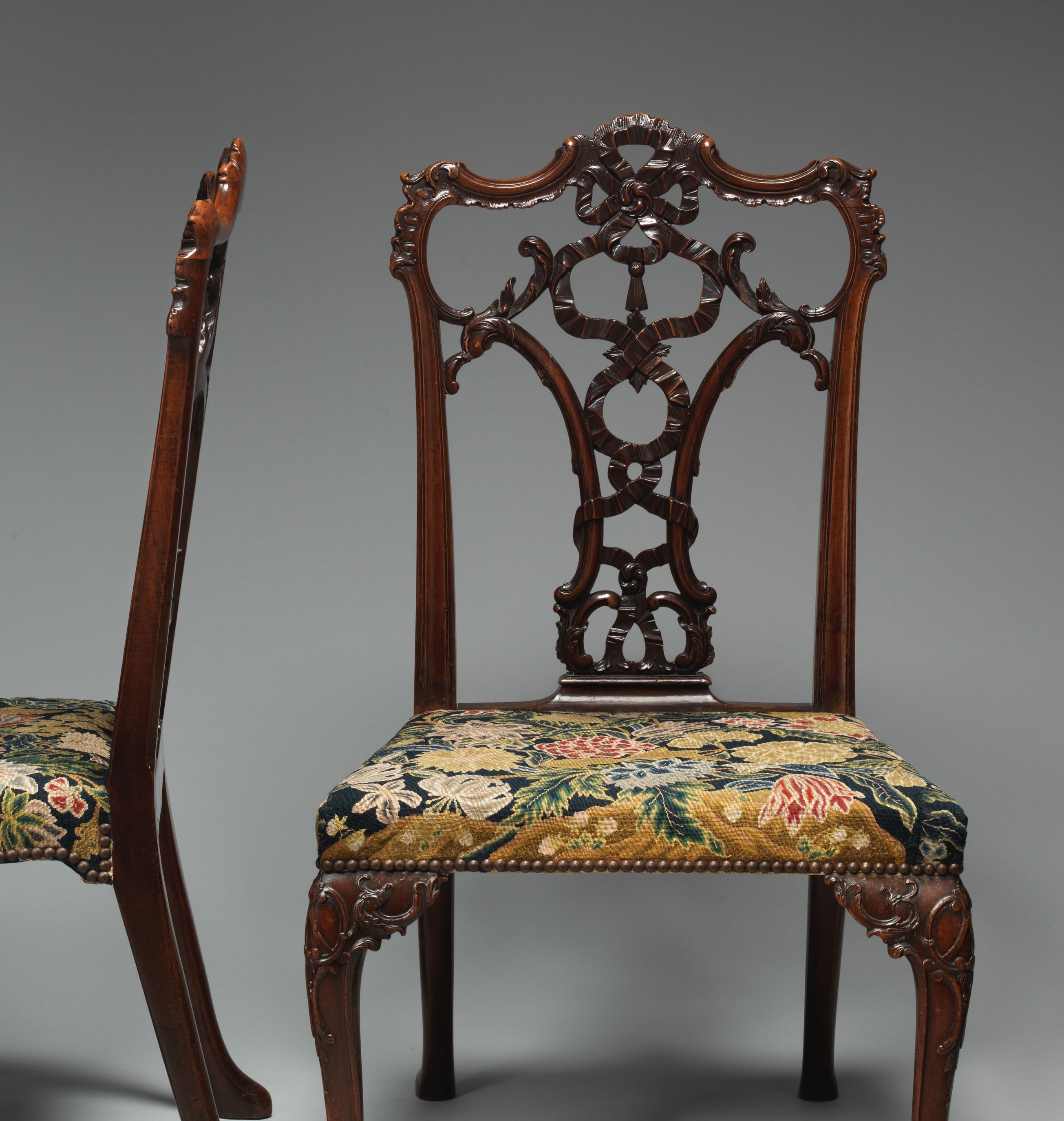
Thomas Chippendale’s Director offered furniture makers a stock of designs they could alter. A pair of ribbon-back chairs, an Edinburgh maker’s bill and a dissatisfied customer show what happened between the printed page and the finished room.
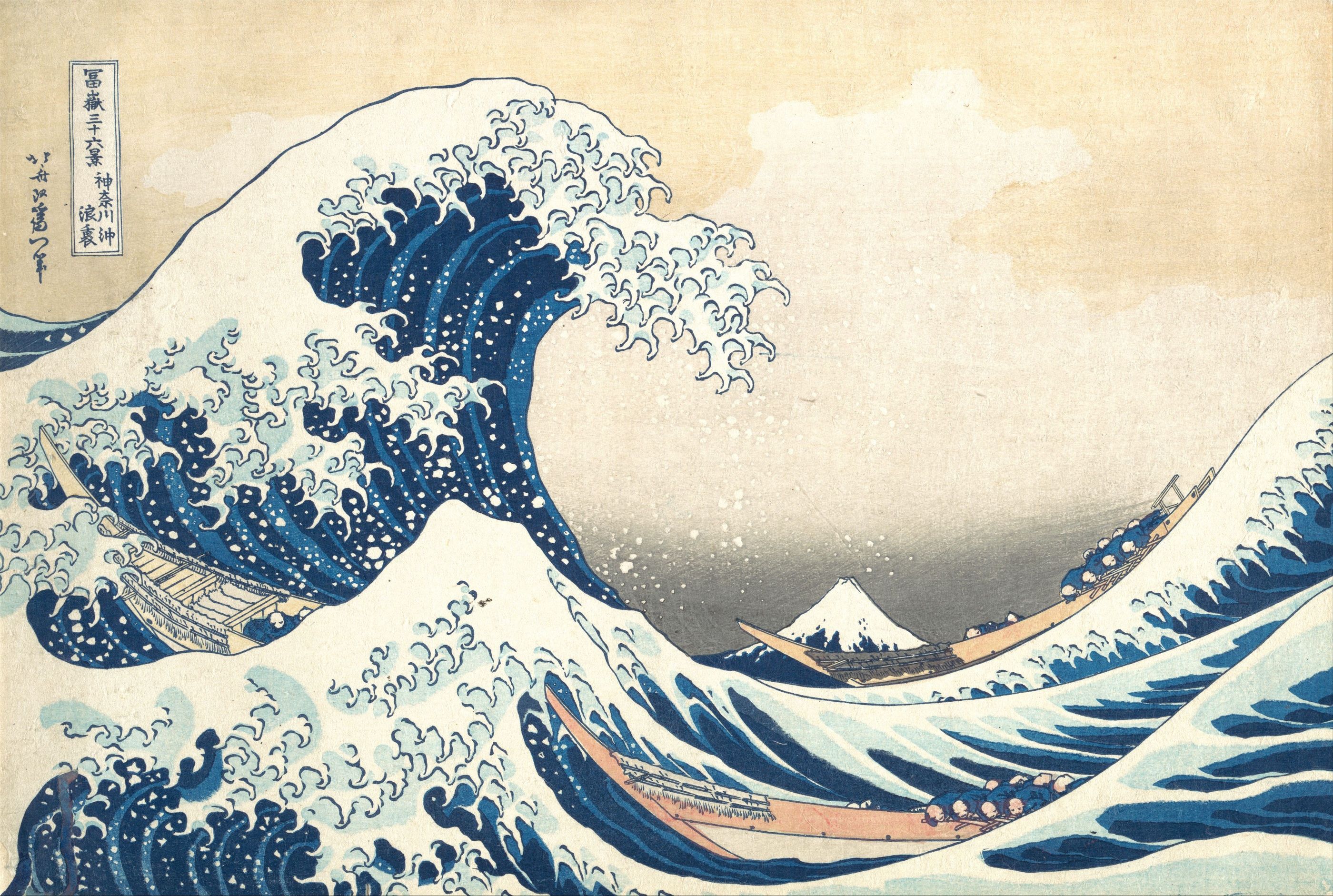
A few gaps in a blue border help order surviving impressions of Hokusai’s Great Wave. They open a history of carved wood, hand printing and colour that changed both in the workshop and afterwards.
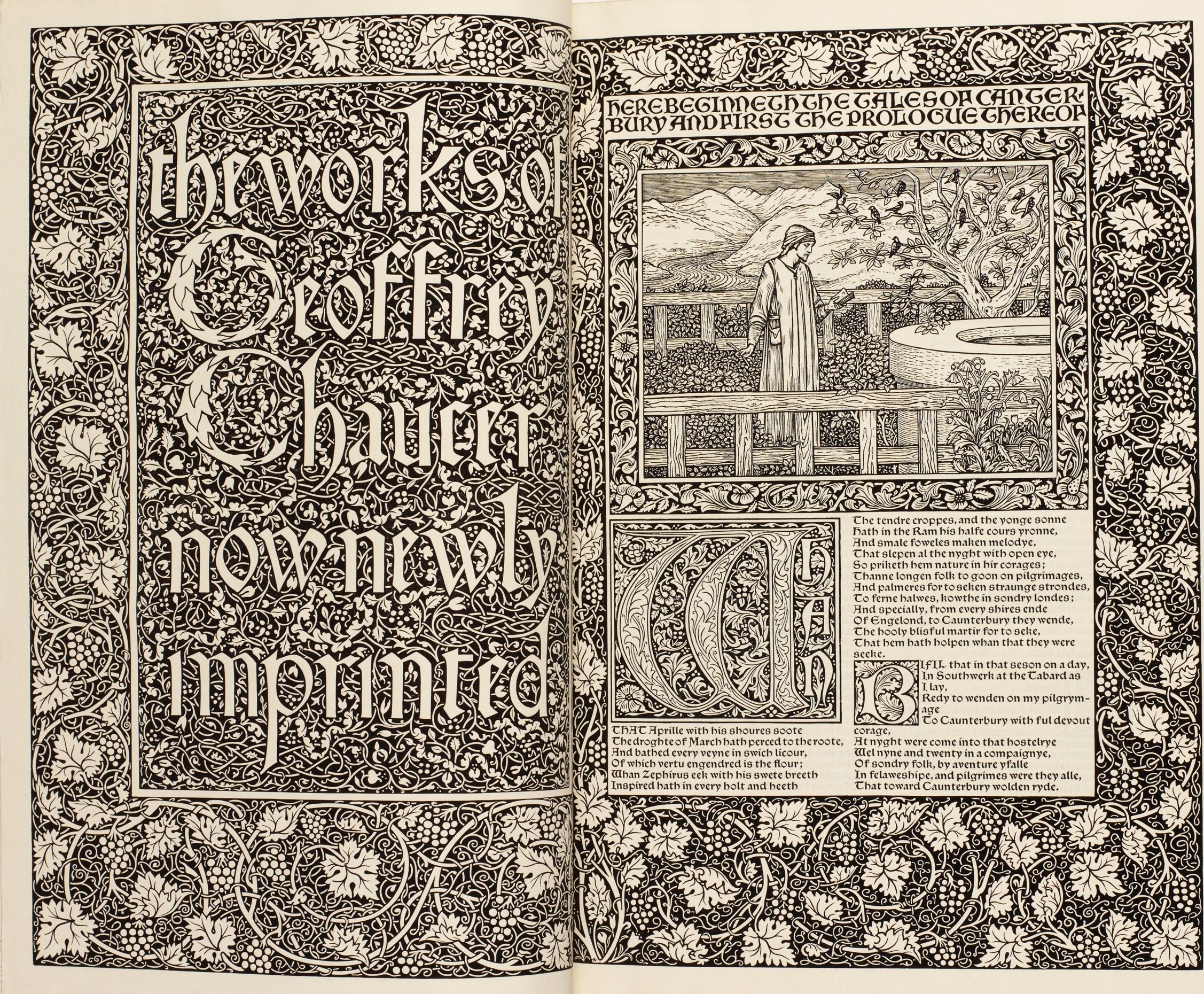
William Morris’s Chaucer began with type too large for its pages and grew to include 87 pictures by Edward Burne-Jones. Its subscribers kept their orders while a workshop brought the parts together.
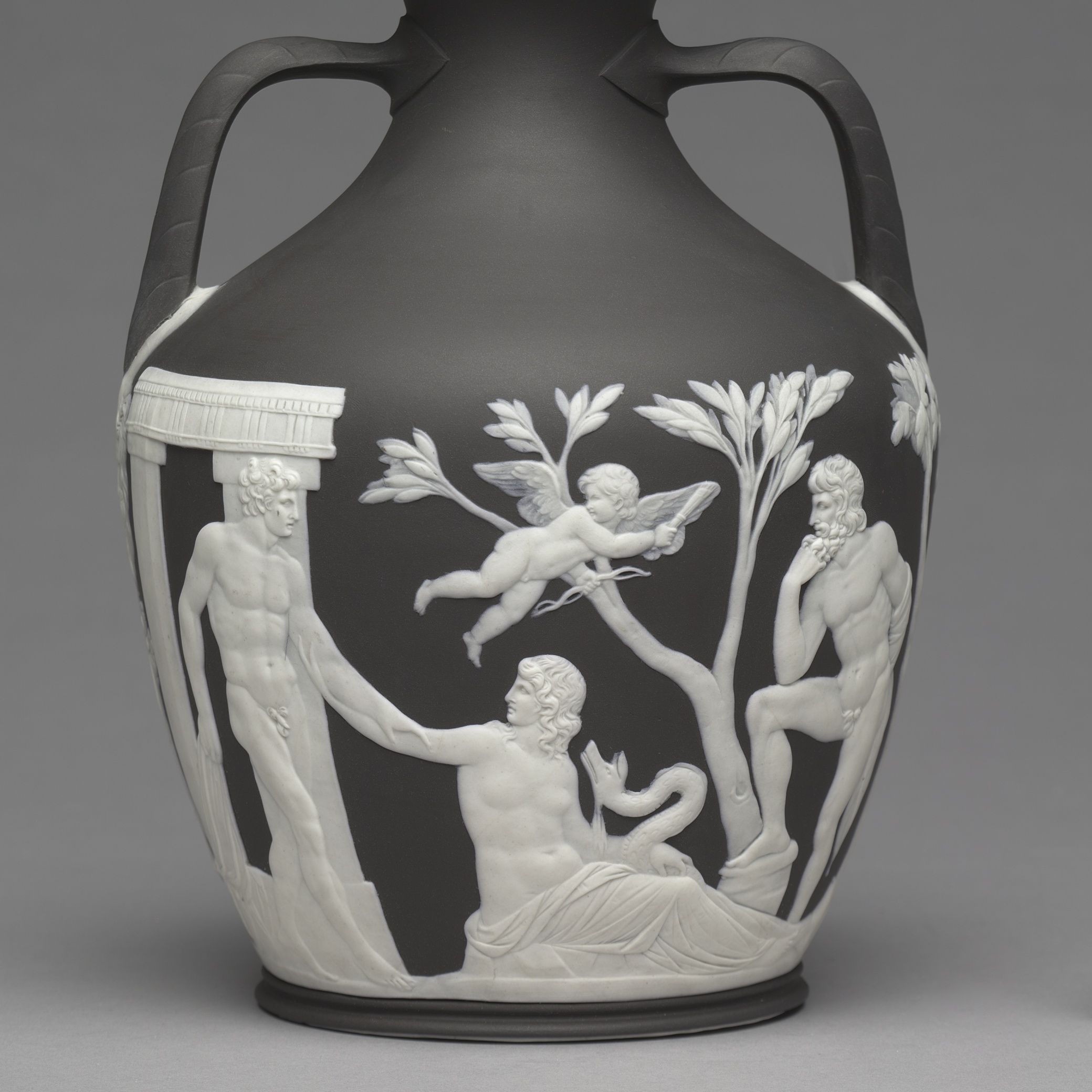
Josiah Wedgwood borrowed the Portland Vase, a celebrated Roman glass vessel, in 1786. Copying its figures in pottery required new colours, different ways of making shade and a decision about which imperfections to keep.
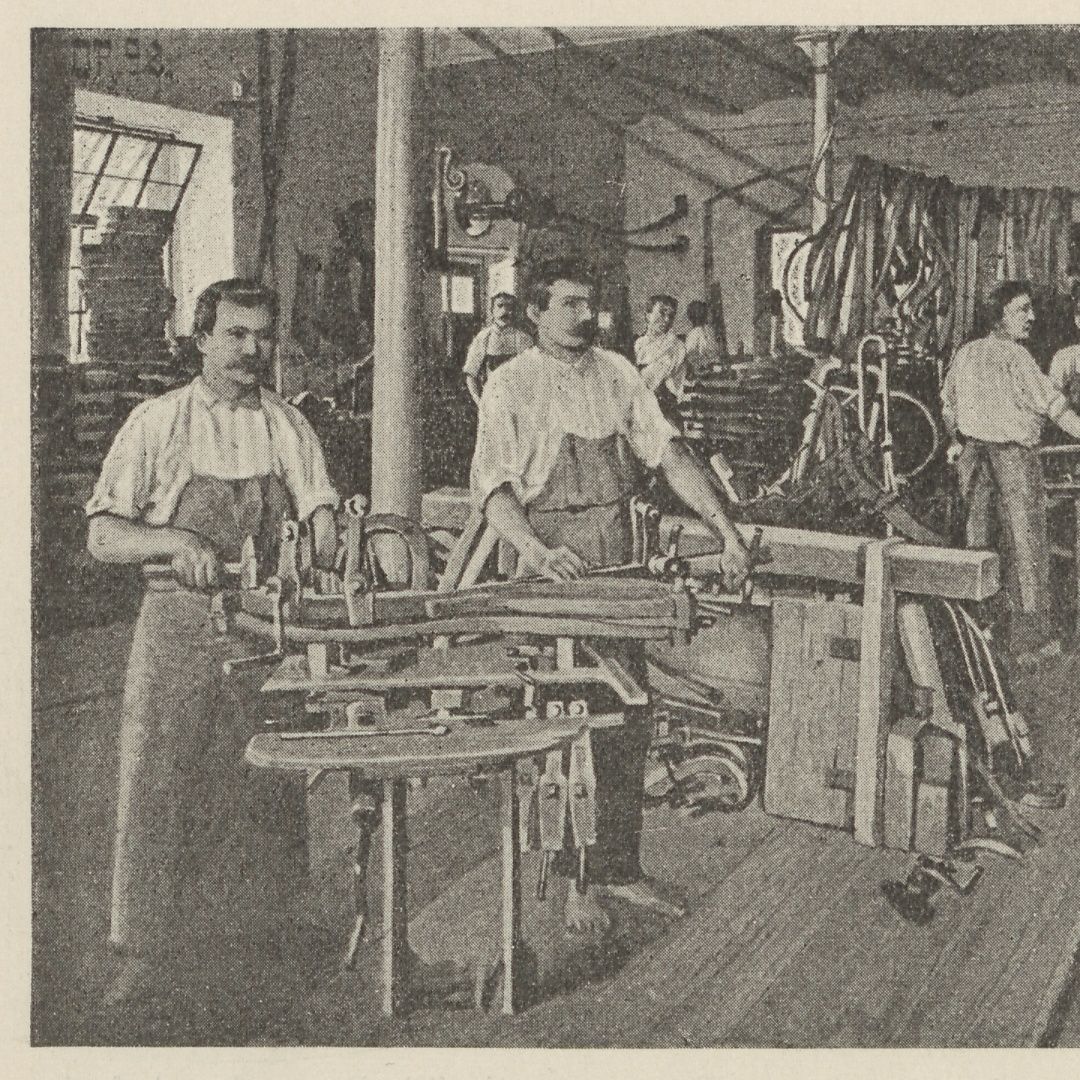
Michael Thonet's No. 14 could travel as separate wooden curves and become a chair near its buyer. Getting there meant changing the wood, the tools and the people doing the work.
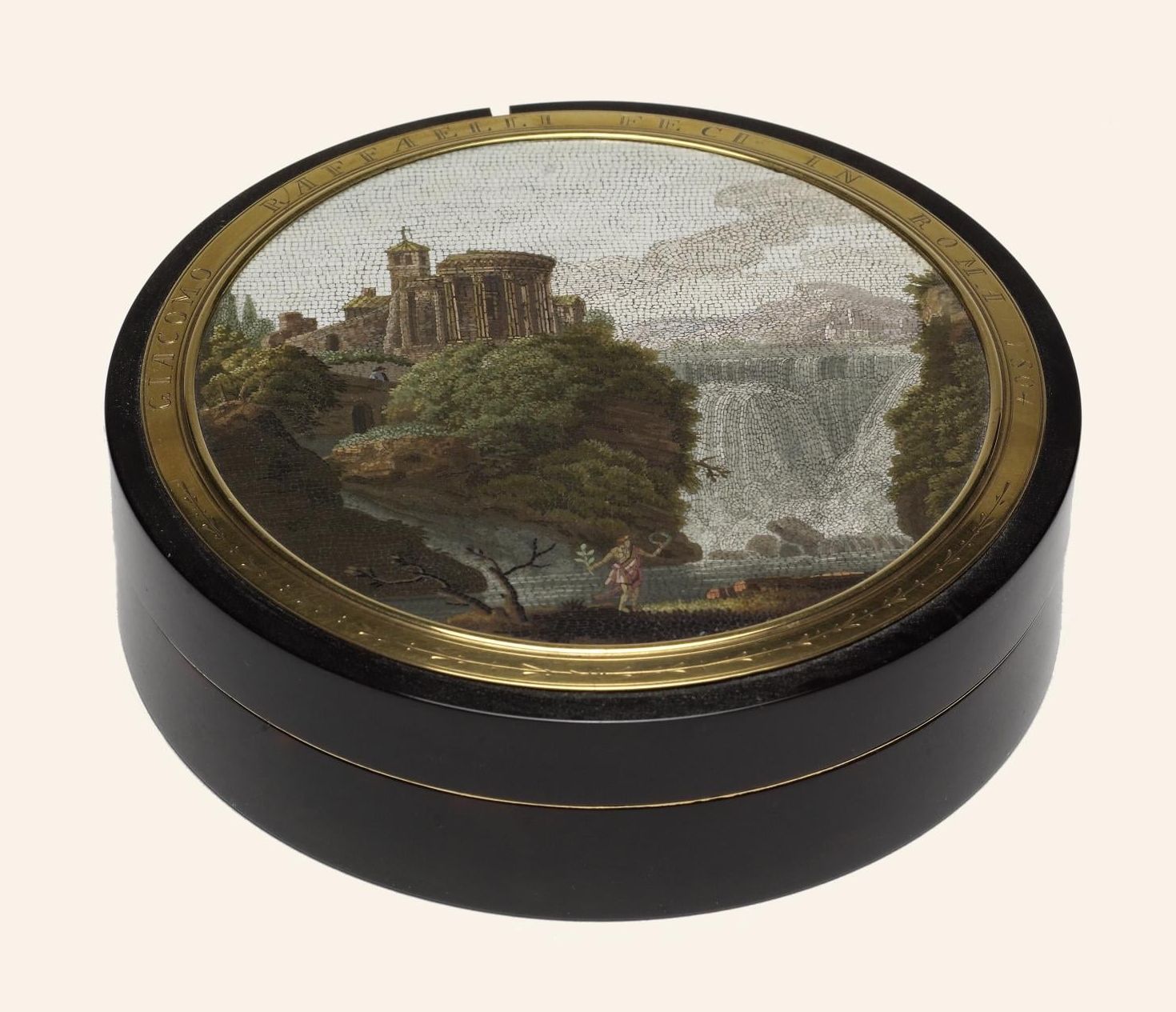
Giacomo Raffaelli rebuilt an ancient Roman favourite in a circle of glass just twelve centimetres wide. His doves belonged to a trade that let travellers take the city's monuments home, one tiny piece at a time.
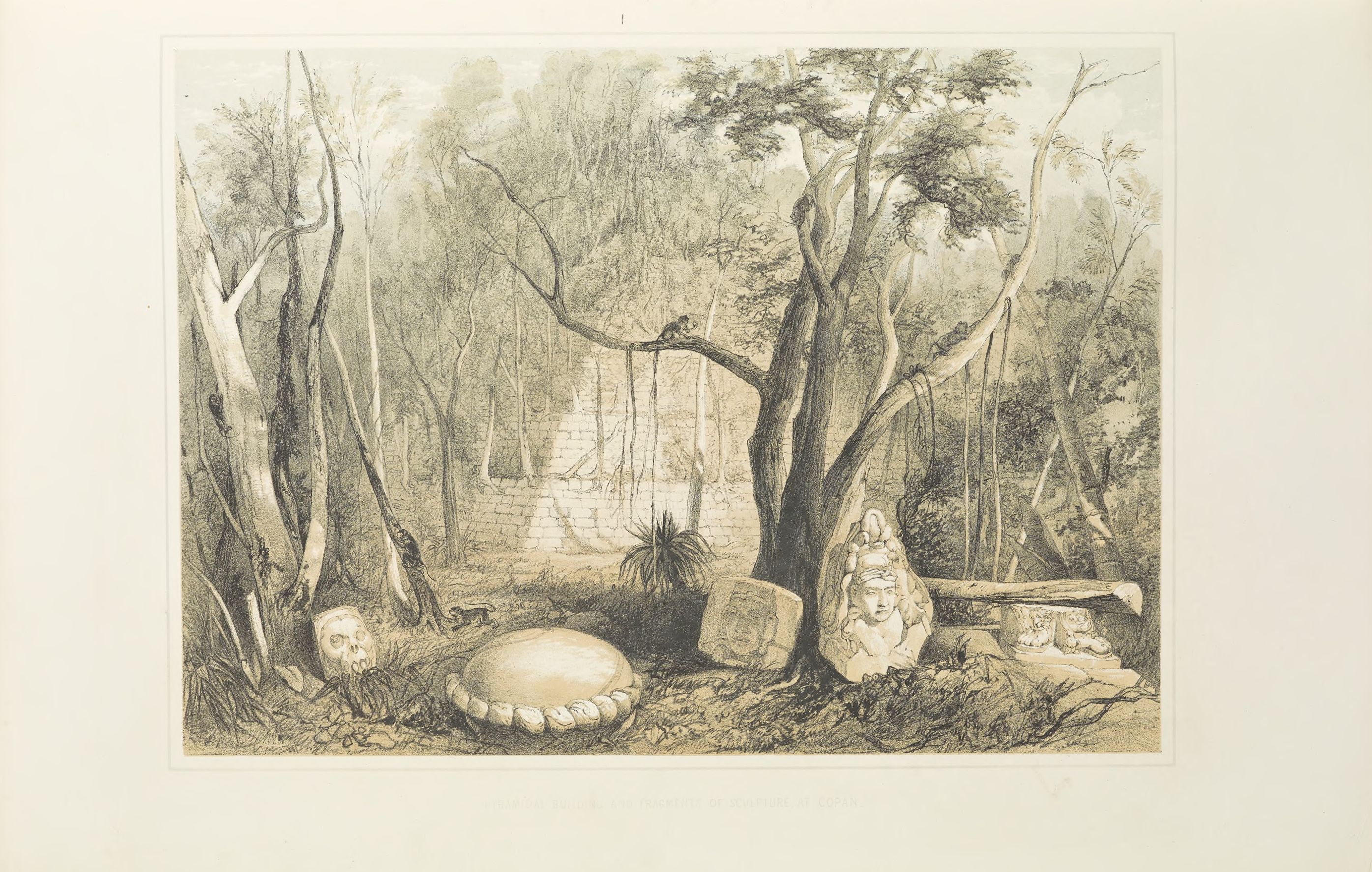
Frederick Catherwood's Copán prints began with cut vegetation, difficult light and the work of Bruno, Francisco and their neighbours. Getting the carvings onto paper was only the first stage in making the ruins into a picture.
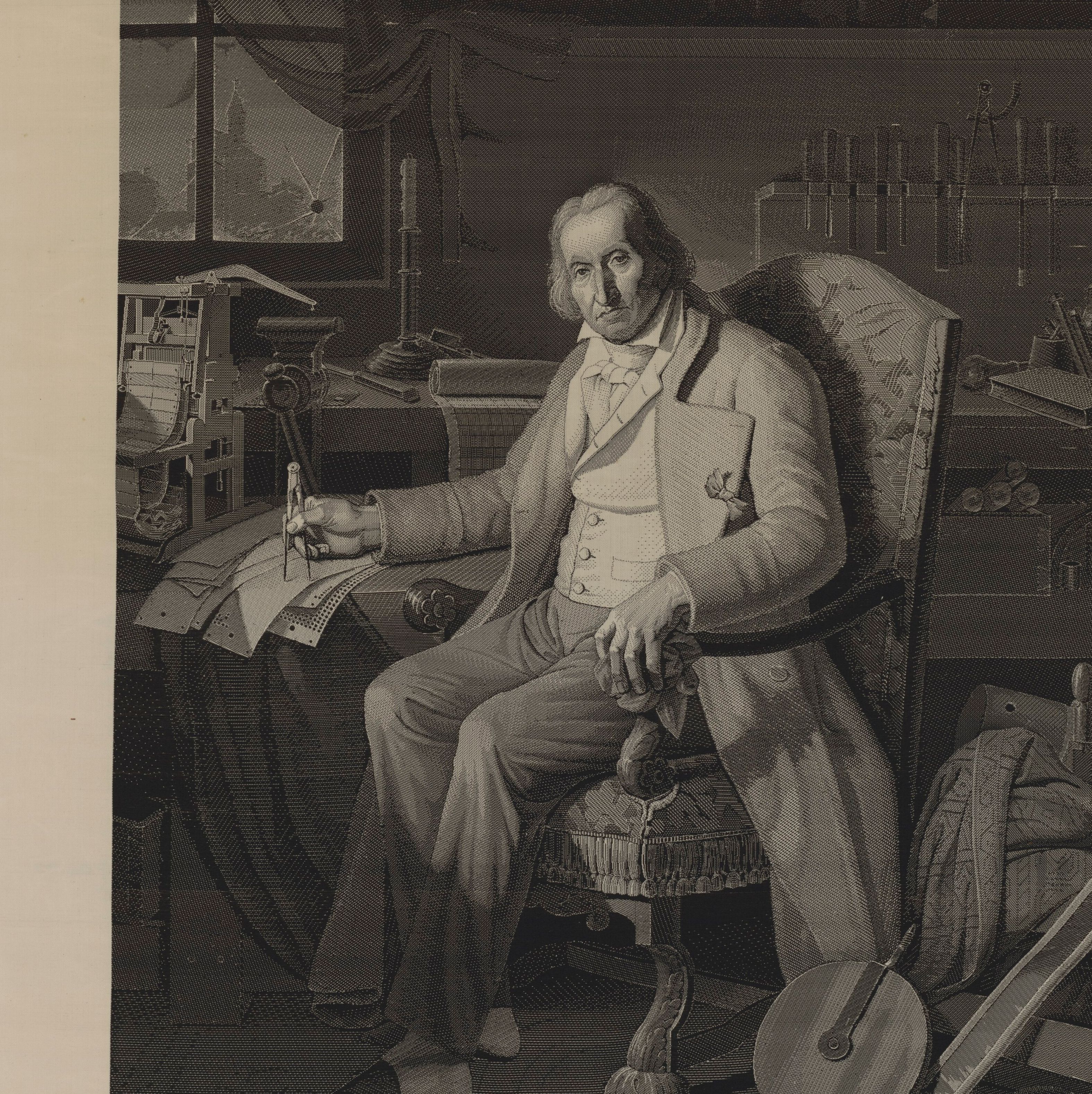
A silk portrait of Joseph-Marie Jacquard was made to impress Paris. The work passed from painter to technical designer to weaver, but the names beneath the image did not tell the whole story.
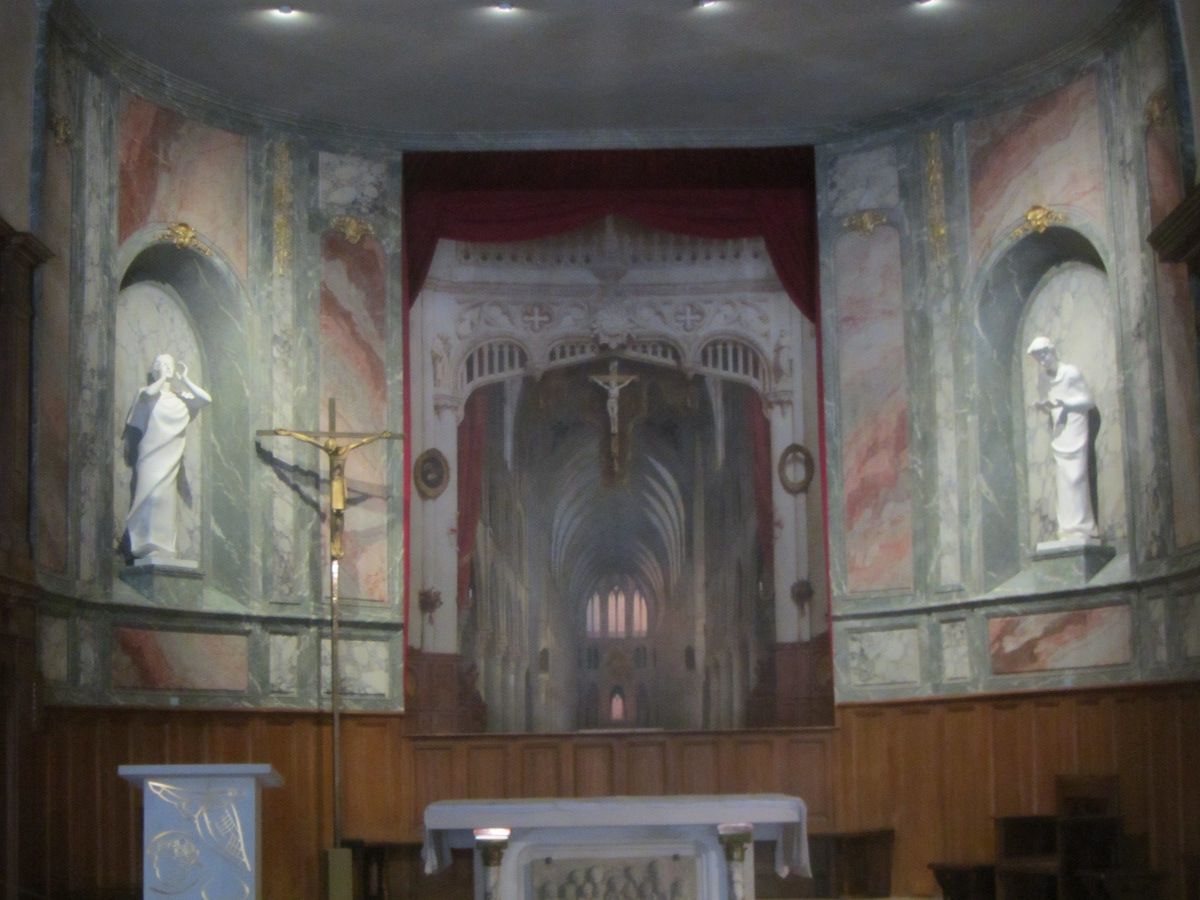
Louis Daguerre's diorama brought theatrical illusion into a village church in 1842. A priest objected to the gathering spectators and the gloom. Later restorers faced a different problem: repairing the canvas without blocking the light.
John James Audubon sent his great white heron to London with instructions about everything from the sky to the scales on its feet. Robert Havell had to turn the drawing into a copper plate—and then into hundreds of pictures coloured by hand.
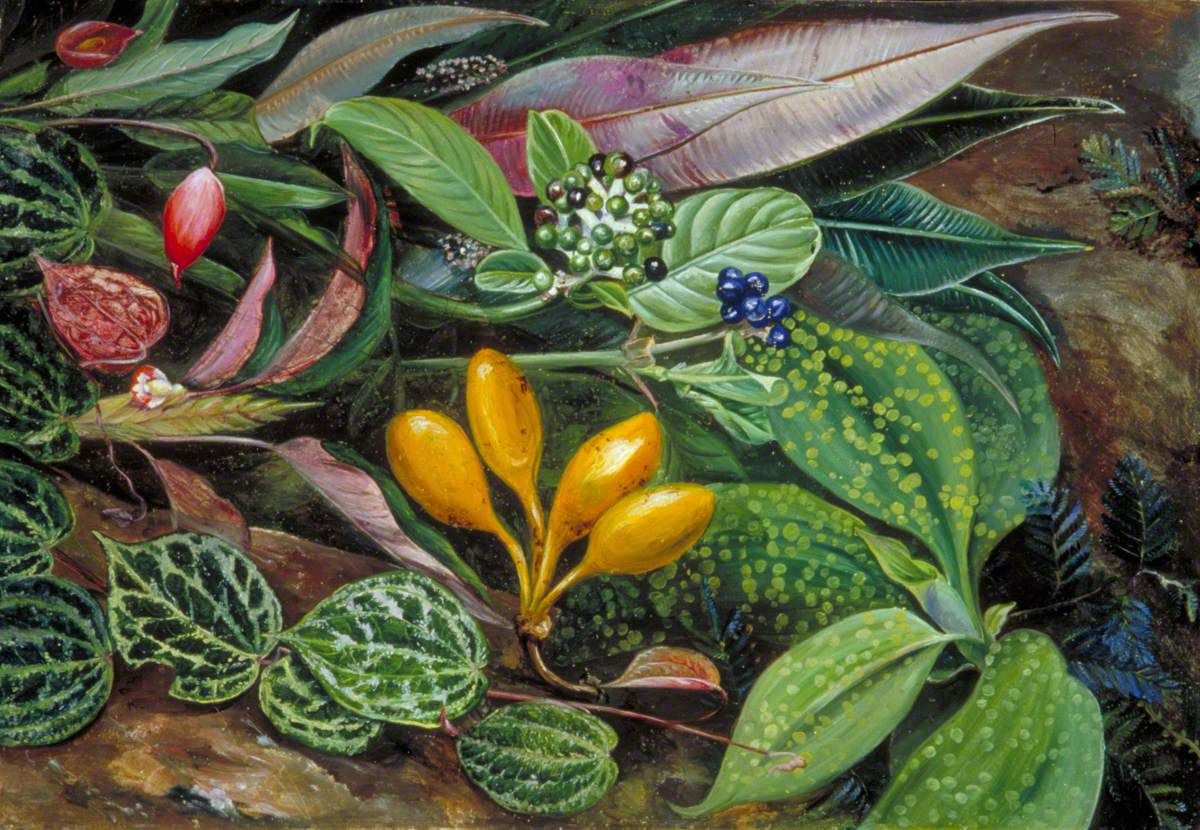
Marianne North went to Sarawak to paint tropical plants in their surroundings. Some she found in the forest; others arrived at her verandah. Behind the pictures were boatmen, hosts, collectors and a remarkable amount of carrying.
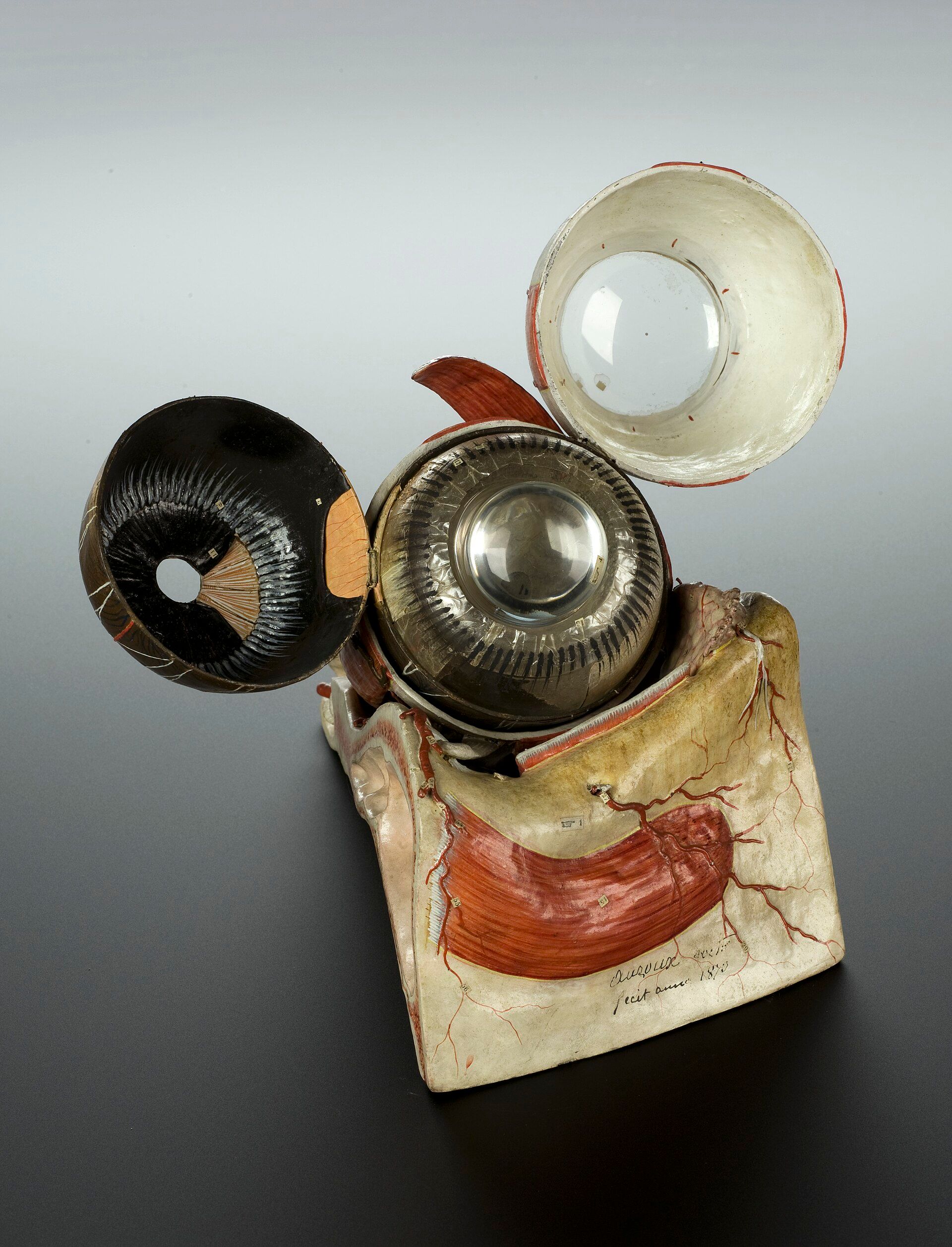
An 1841 catalogue promised a human figure in 129 removable pieces, with reassembly in less than ten minutes. Louis Auzoux’s paper anatomy came with numbered parts, pointing hands and a Normandy workforce trained to know what it was making.
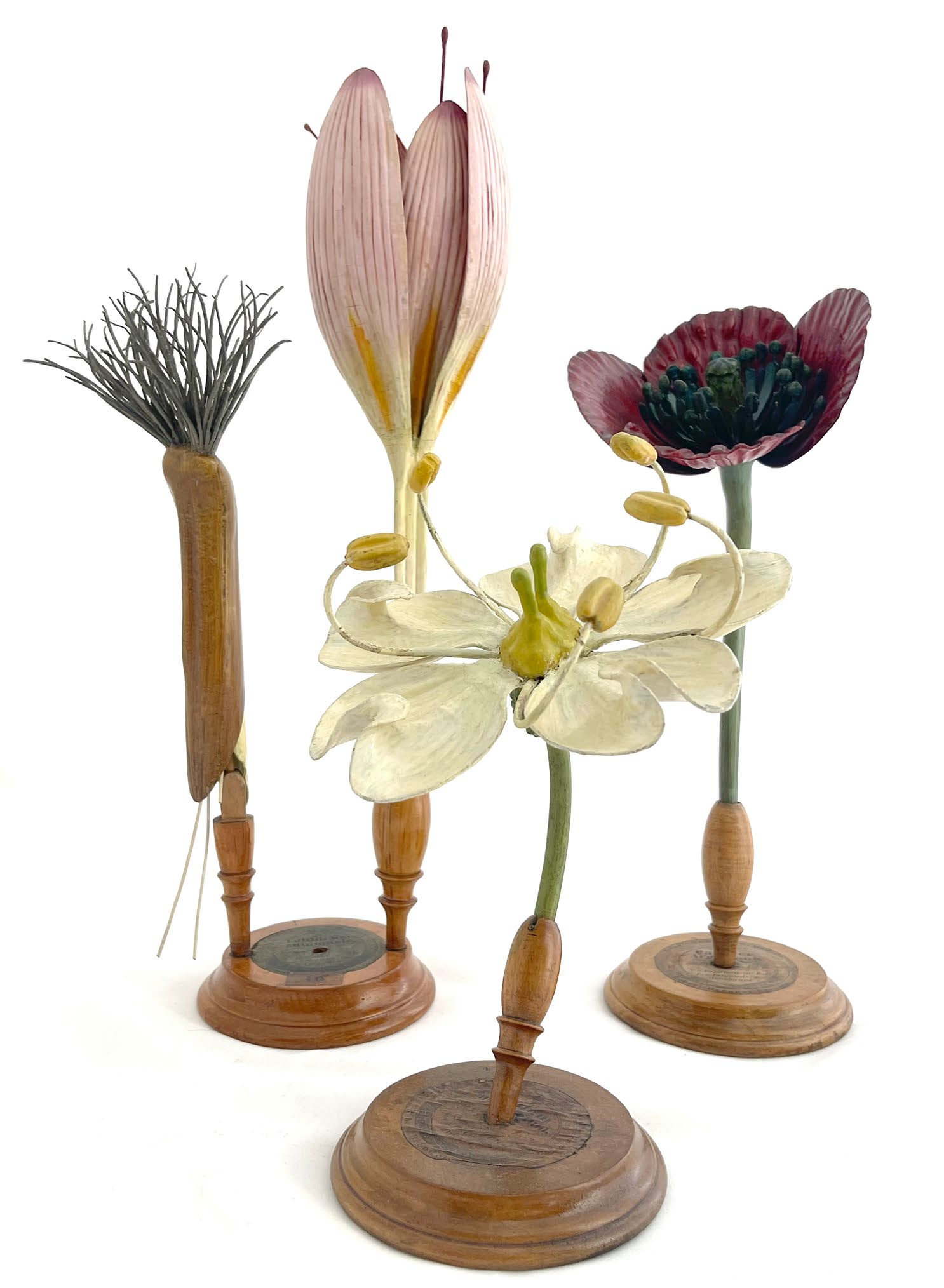
Botany lectures needed flowers in an order the seasons would not supply. From two overcrowded cupboards in Breslau grew the Brendel trade in enlarged teaching plants, including a meadow saffron whose roots needed correcting.
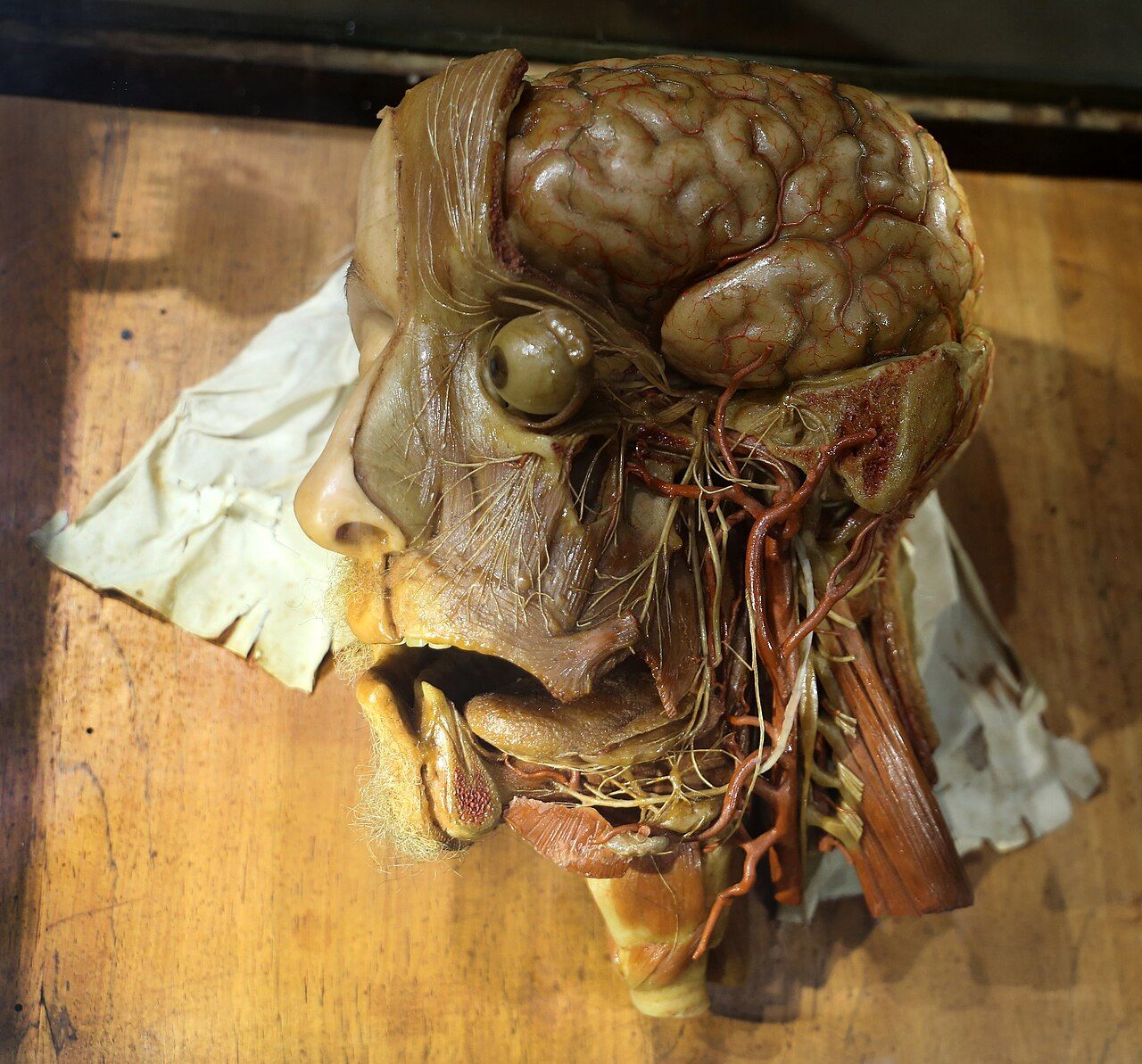
A porter carrying cadavers through Florence could find nowhere to stop with his basket. His deliveries supplied the workshop where Clemente Susini and his collaborators turned short-lived dissections into wax anatomy for students, emperors and museums.
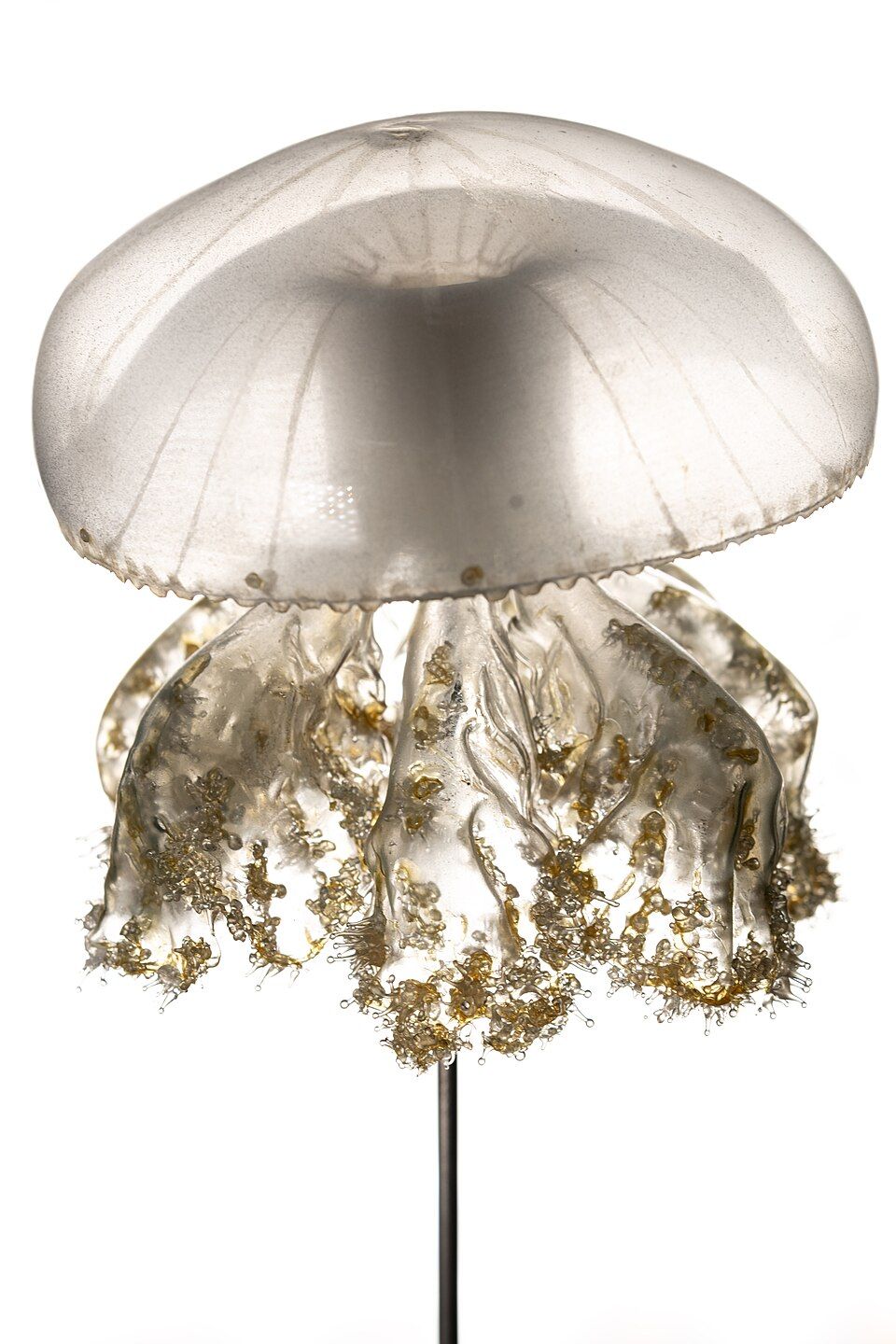
In 1883, the British Museum complained about six damaged glass animals. Leopold Blaschka blamed the unpacking. His Dresden workshop had made marine life legible for a classroom; getting it there intact was another matter.
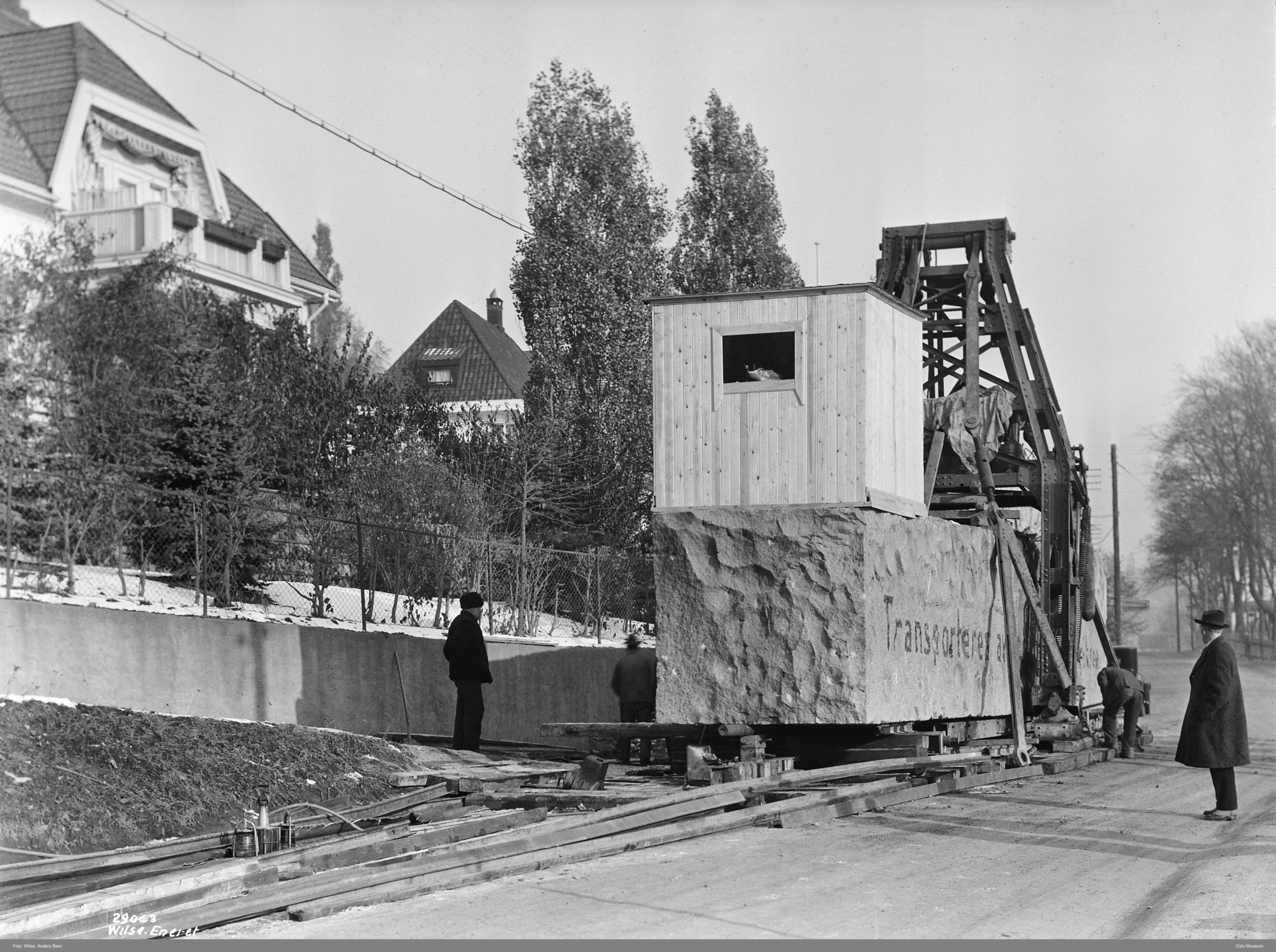
A walking transport frame, a bargain with the city and thirteen years of carving: how Gustav Vigeland’s Monolith reached the centre of an extraordinary park.